Habash Dimah Z, Baudo Marcela, Hindle Matthew, Powers Stephen J, Defoin-Platel Michael, Mitchell Rowan, Saqi Mansoor, Rawlings Chris, Latiri Kawther, Araus Jose L, Abdulkader Ahmad, Tuberosa Roberto, Lawlor David W, Nachit Miloudi M
Plant Biology and Crop Science, Rothamsted Research, Harpenden, United Kingdom.
Computational and Systems Biology, Rothamsted Research, Harpenden, United Kingdom.
PLoS One. 2014 Sep 29;9(9):e108431. doi: 10.1371/journal.pone.0108431. eCollection 2014.
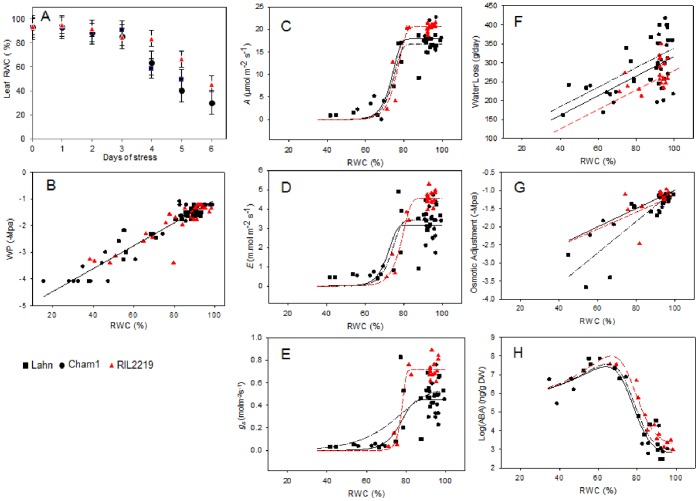
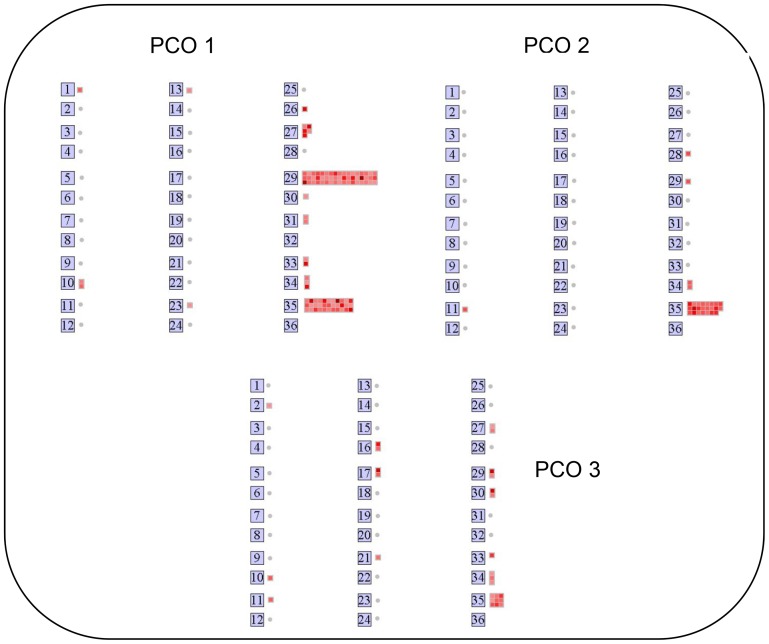
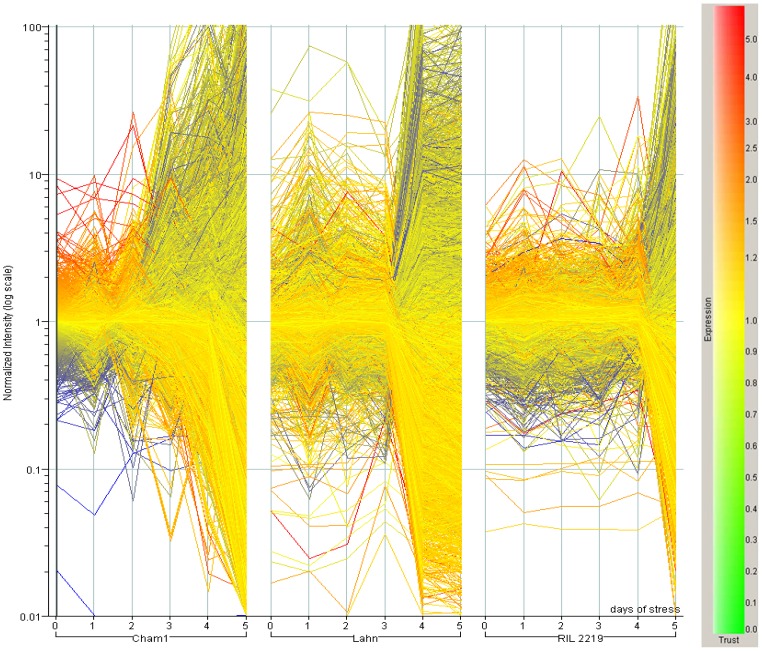
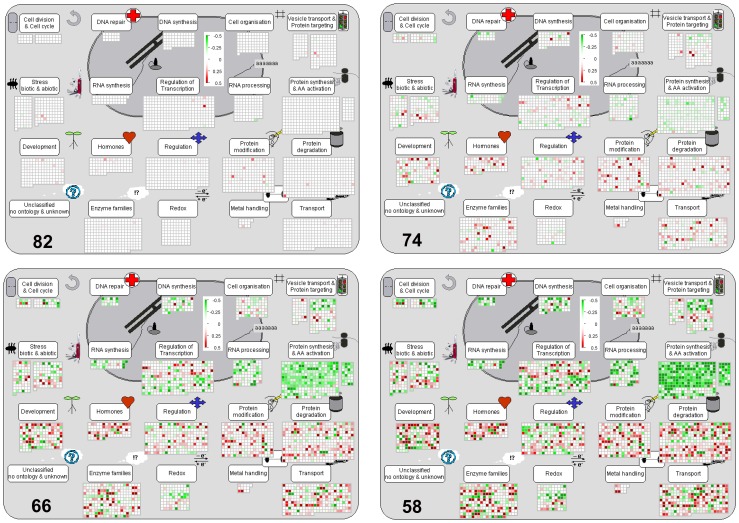
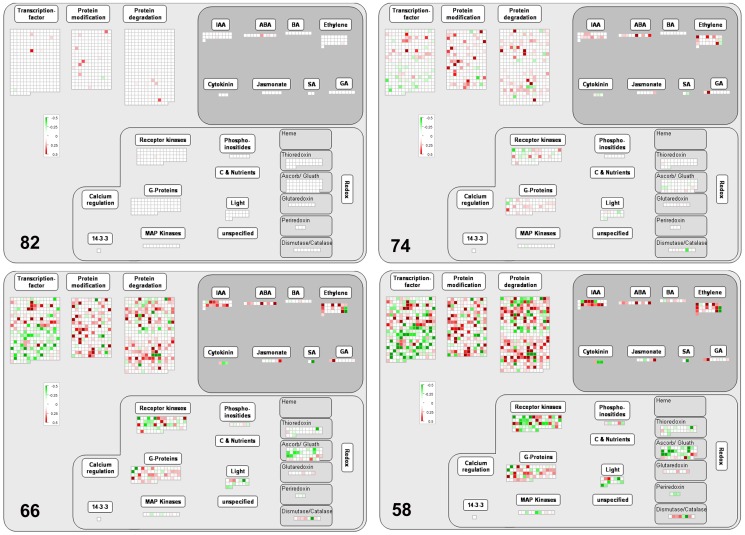
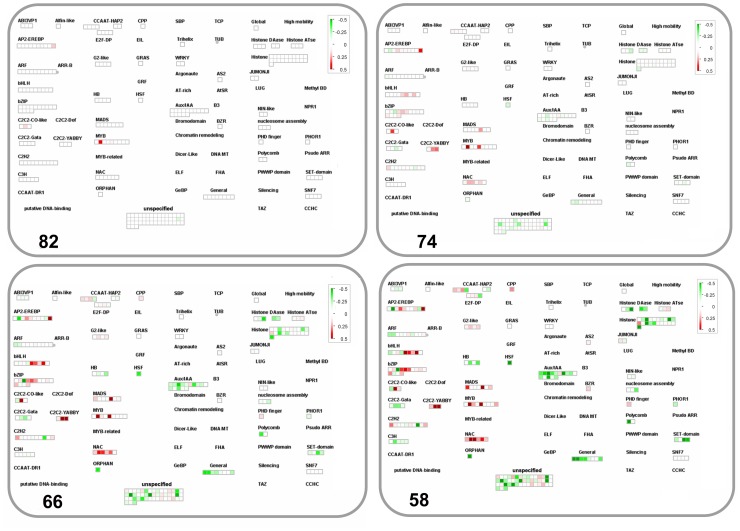
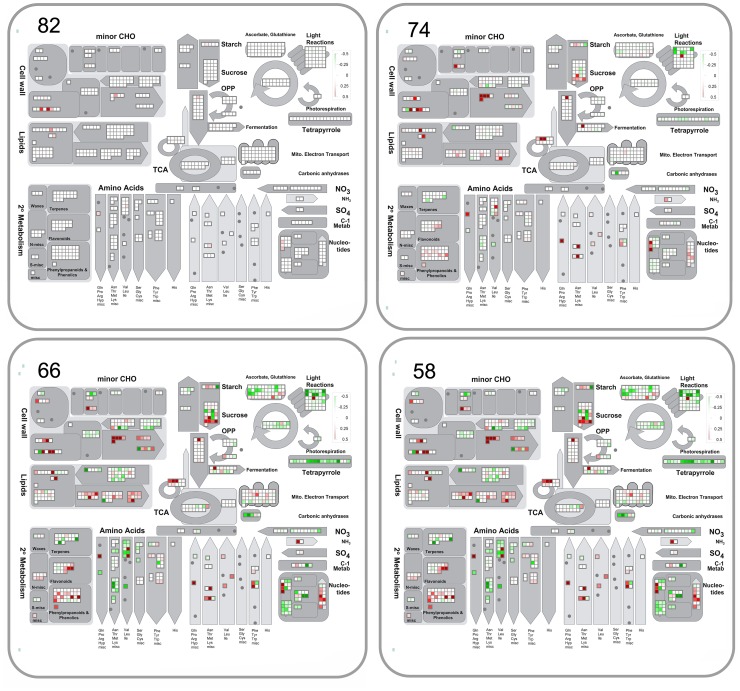
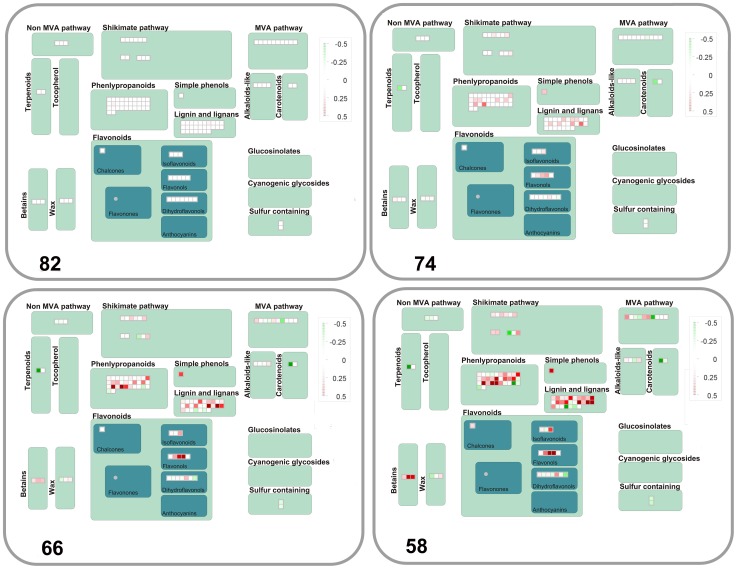
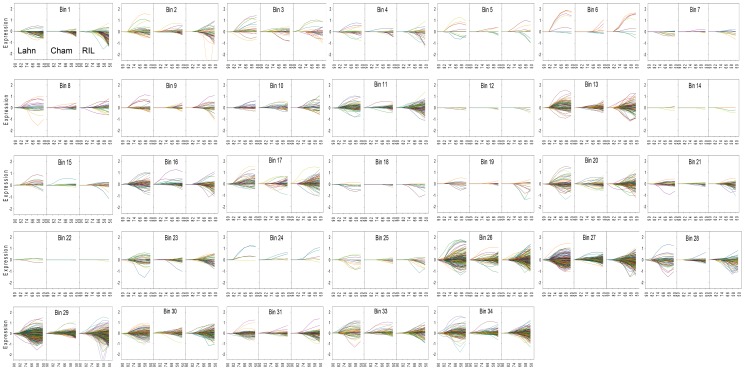
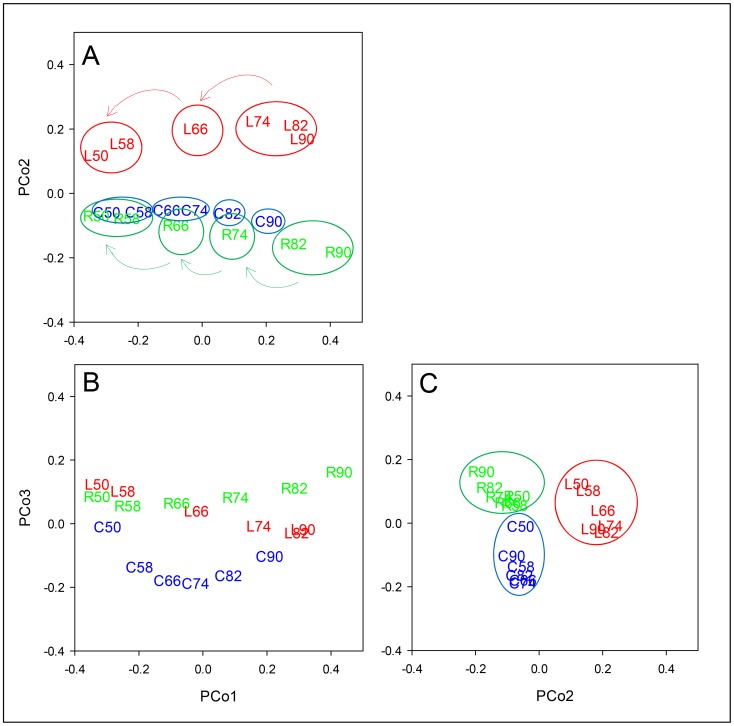
Durum wheat is susceptible to terminal drought which can greatly decrease grain yield. Breeding to improve crop yield is hampered by inadequate knowledge of how the physiological and metabolic changes caused by drought are related to gene expression. To gain better insight into mechanisms defining resistance to water stress we studied the physiological and transcriptome responses of three durum breeding lines varying for yield stability under drought. Parents of a mapping population (Lahn x Cham1) and a recombinant inbred line (RIL2219) showed lowered flag leaf relative water content, water potential and photosynthesis when subjected to controlled water stress time transient experiments over a six-day period. RIL2219 lost less water and showed constitutively higher stomatal conductance, photosynthesis, transpiration, abscisic acid content and enhanced osmotic adjustment at equivalent leaf water compared to parents, thus defining a physiological strategy for high yield stability under water stress. Parallel analysis of the flag leaf transcriptome under stress uncovered global trends of early changes in regulatory pathways, reconfiguration of primary and secondary metabolism and lowered expression of transcripts in photosynthesis in all three lines. Differences in the number of genes, magnitude and profile of their expression response were also established amongst the lines with a high number belonging to regulatory pathways. In addition, we documented a large number of genes showing constitutive differences in leaf transcript expression between the genotypes at control non-stress conditions. Principal Coordinates Analysis uncovered a high level of structure in the transcriptome response to water stress in each wheat line suggesting genome-wide co-ordination of transcription. Utilising a systems-based approach of analysing the integrated wheat's response to water stress, in terms of biological robustness theory, the findings suggest that each durum line transcriptome responded to water stress in a genome-specific manner which contributes to an overall different strategy of resistance to water stress.
硬粒小麦易受终末期干旱影响,这会大幅降低谷物产量。由于对干旱引起的生理和代谢变化与基因表达之间的关系了解不足,提高作物产量的育种工作受到阻碍。为了更好地了解决定对水分胁迫抗性的机制,我们研究了三个在干旱条件下产量稳定性不同的硬粒小麦育种系的生理和转录组反应。在为期六天的受控水分胁迫时间瞬变实验中,一个作图群体(Lahn×Cham1)的亲本和一个重组自交系(RIL2219)的旗叶相对含水量、水势和光合作用降低。与亲本相比,RIL2219失水较少,气孔导度、光合作用、蒸腾作用、脱落酸含量持续较高,在同等叶片水分条件下渗透调节增强,从而确定了水分胁迫下高产稳定性的生理策略。对胁迫下旗叶转录组的平行分析揭示了所有三个品系中调控途径早期变化、初级和次级代谢重新配置以及光合作用中转录本表达降低的总体趋势。在品系之间也确定了基因数量、表达反应的幅度和谱的差异,其中大量基因属于调控途径。此外,我们记录了大量在对照非胁迫条件下基因型之间叶片转录表达存在组成性差异的基因。主坐标分析揭示了每个小麦品系对水分胁迫的转录组反应中的高水平结构,表明转录的全基因组协调。利用基于系统的方法分析小麦对水分胁迫的综合反应,根据生物稳健性理论,研究结果表明每个硬粒小麦品系的转录组以基因组特异性方式对水分胁迫作出反应,这有助于形成总体上不同的水分胁迫抗性策略。