Barnes Helen E, Liu Guohong, Weston Christopher Q, King Paula, Pham Long K, Waltz Shannon, Helzer Kimberly T, Day Laura, Sphar Dan, Yamamoto Robert T, Forsyth R Allyn
FLIR Systems, Inc., La Jolla, California, United States of America.
PLoS One. 2014 Oct 3;9(10):e109061. doi: 10.1371/journal.pone.0109061. eCollection 2014.
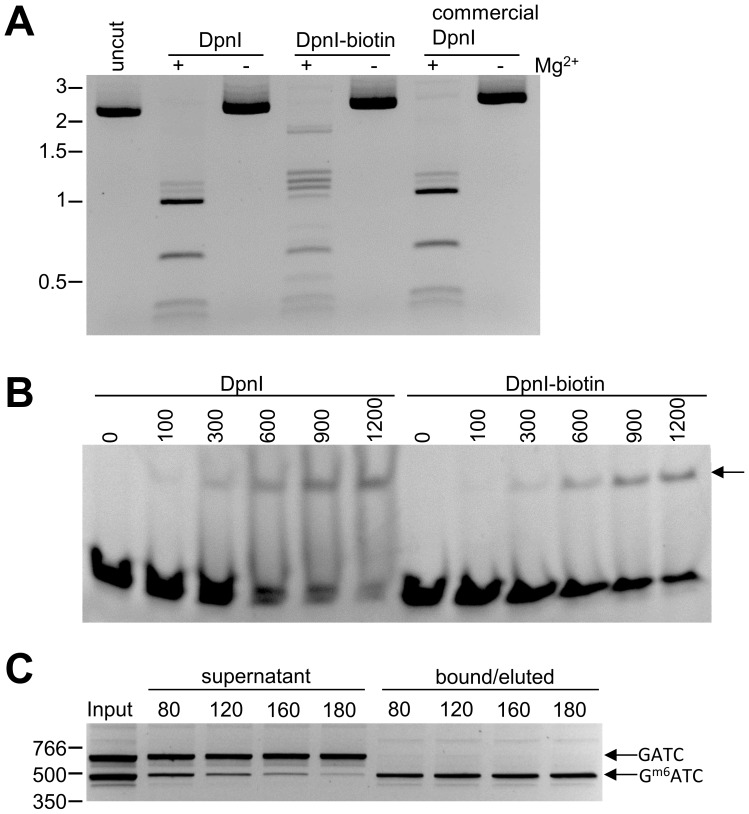
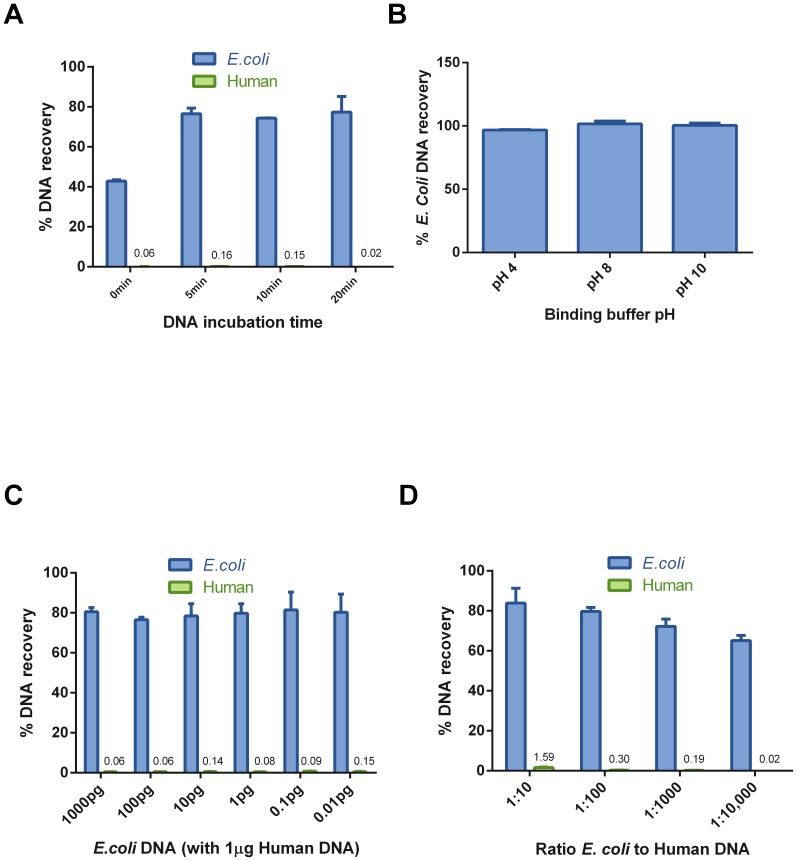
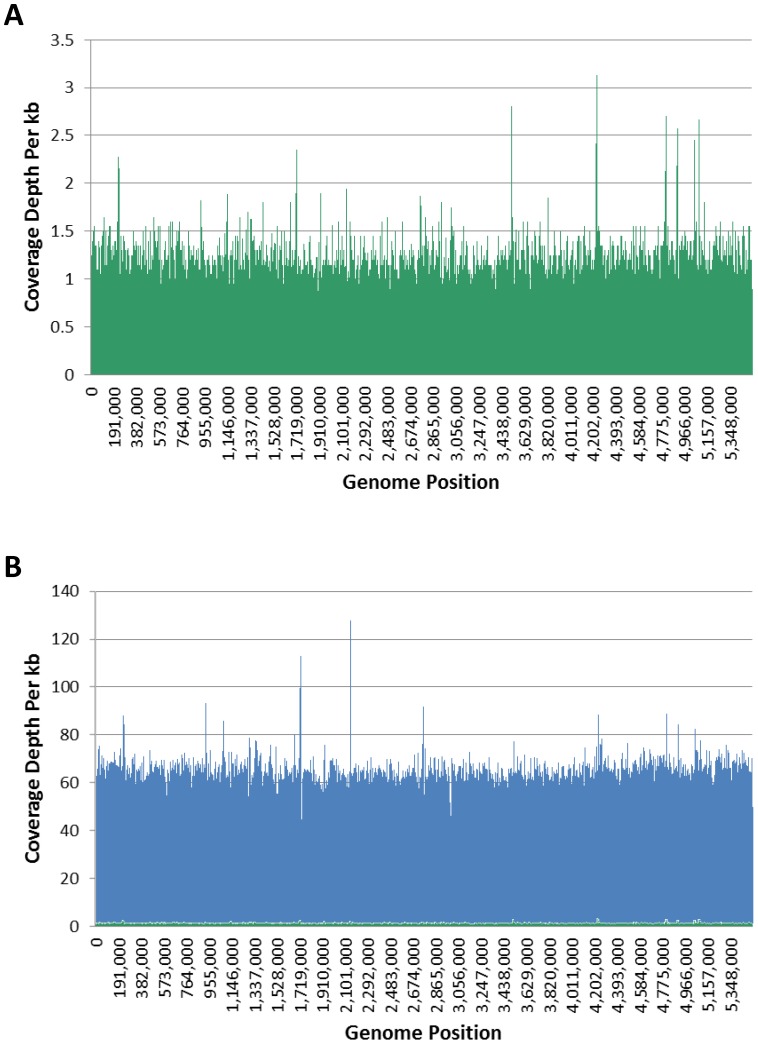
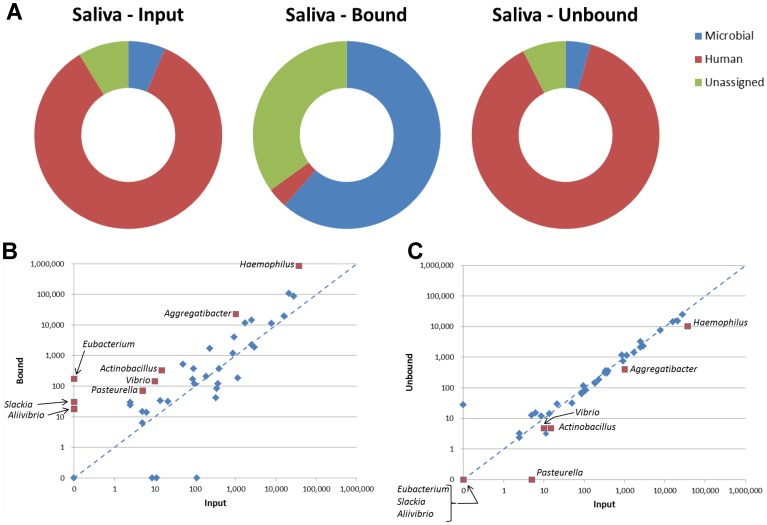
To improve the metagenomic analysis of complex microbiomes, we have repurposed restriction endonucleases as methyl specific DNA binding proteins. As an example, we use DpnI immobilized on magnetic beads. The ten minute extraction technique allows specific binding of genomes containing the DpnI Gm6ATC motif common in the genomic DNA of many bacteria including γ-proteobacteria. Using synthetic genome mixtures, we demonstrate 80% recovery of Escherichia coli genomic DNA even when only femtogram quantities are spiked into 10 µg of human DNA background. Binding is very specific with less than 0.5% of human DNA bound. Next Generation Sequencing of input and enriched synthetic mixtures results in over 100-fold enrichment of target genomes relative to human and plant DNA. We also show comparable enrichment when sequencing complex microbiomes such as those from creek water and human saliva. The technique can be broadened to other restriction enzymes allowing for the selective enrichment of trace and unculturable organisms from complex microbiomes and the stratification of organisms according to restriction enzyme enrichment.
为了改进对复杂微生物群落的宏基因组分析,我们将限制性内切酶重新用作甲基特异性DNA结合蛋白。例如,我们使用固定在磁珠上的DpnI。这种十分钟提取技术能够特异性结合包含许多细菌(包括γ-变形菌)基因组DNA中常见的DpnI Gm6ATC基序的基因组。使用合成基因组混合物,我们证明即使将飞克级数量的大肠杆菌基因组DNA添加到10μg人类DNA背景中,仍能实现80%的回收率。结合非常特异,结合的人类DNA不到0.5%。对输入和富集的合成混合物进行下一代测序,相对于人类和植物DNA,目标基因组的富集倍数超过100倍。当对复杂的微生物群落(如溪水和人类唾液中的微生物群落)进行测序时,我们也显示出类似的富集效果。该技术可扩展到其他限制性酶,从而能够从复杂微生物群落中选择性富集痕量和不可培养的生物体,并根据限制性酶富集对生物体进行分层。