College of Science, Engineering and Mathematics, Bethune-Cookman University , Daytona Beach, FL , USA.
PeerJ. 2014 Sep 30;2:e578. doi: 10.7717/peerj.578. eCollection 2014.
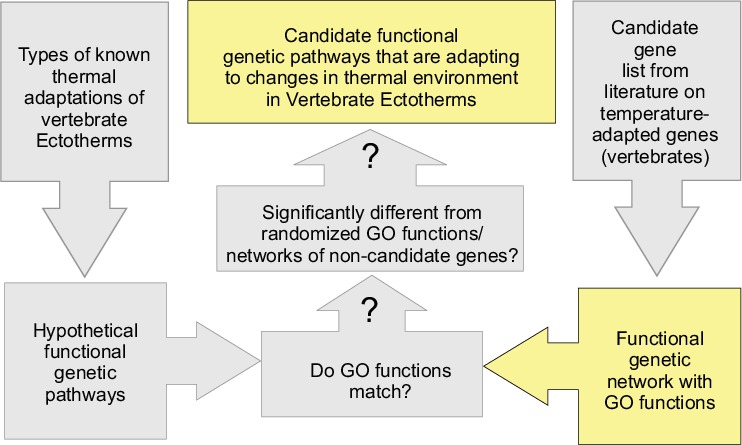
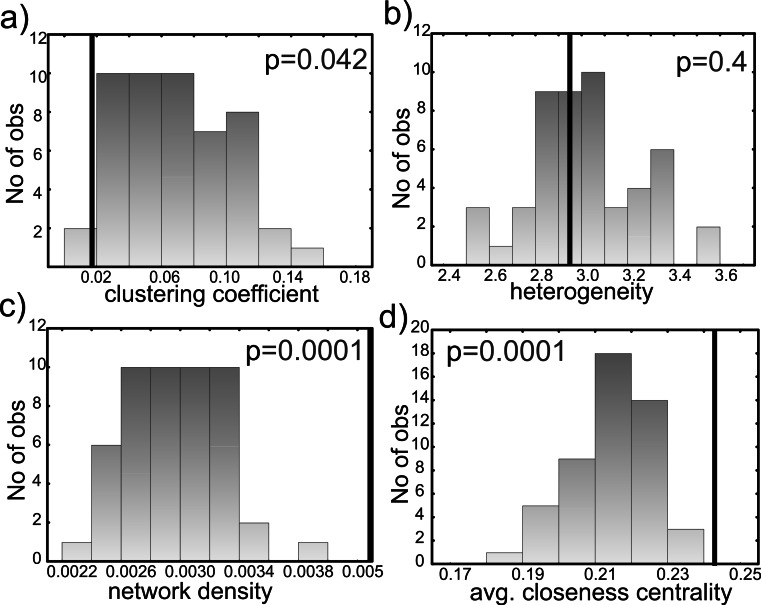
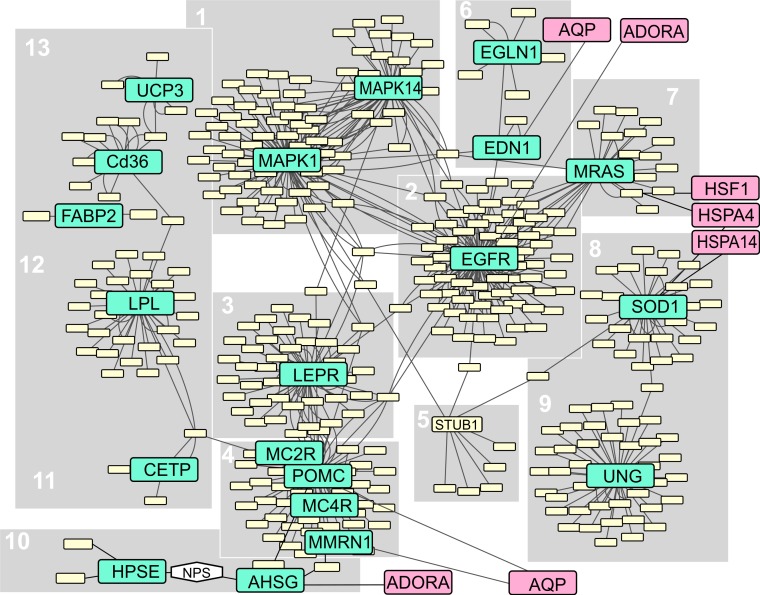
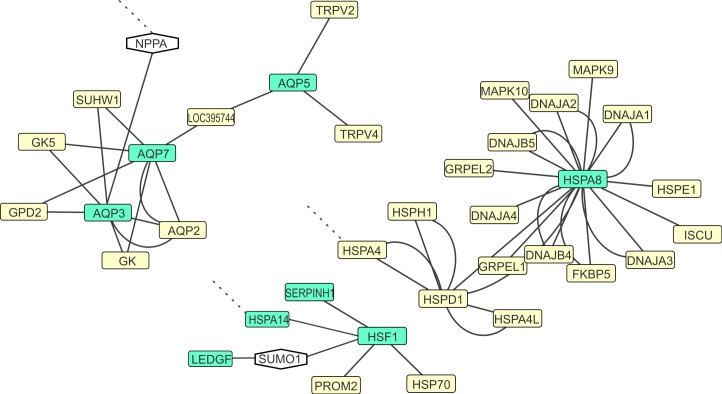
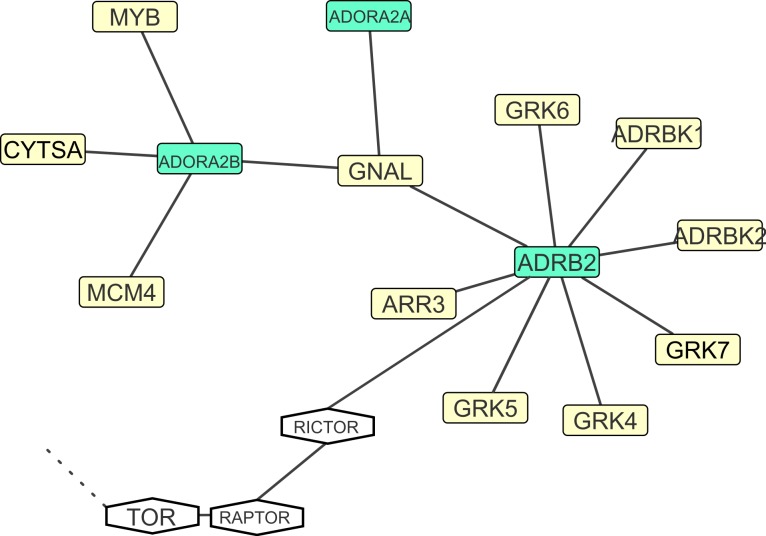
Vertebrate ectotherms such as reptiles provide ideal organisms for the study of adaptation to environmental thermal change. Comparative genomic and exomic studies can recover markers that diverge between warm and cold adapted lineages, but the genes that are functionally related to thermal adaptation may be difficult to identify. We here used a bioinformatics genome-mining approach to predict and identify functions for suitable candidate markers for thermal adaptation in the chicken. We first established a framework of candidate functions for such markers, and then compiled the literature on genes known to adapt to the thermal environment in different lineages of vertebrates. We then identified them in the genomes of human, chicken, and the lizard Anolis carolinensis, and established a functional genetic interaction network in the chicken. Surprisingly, markers initially identified from diverse lineages of vertebrates such as human and fish were all in close functional relationship with each other and more associated than expected by chance. This indicates that the general genetic functional network for thermoregulation and/or thermal adaptation to the environment might be regulated via similar evolutionarily conserved pathways in different vertebrate lineages. We were able to identify seven functions that were statistically overrepresented in this network, corresponding to four of our originally predicted functions plus three unpredicted functions. We describe this network as multimodal: central regulator genes with the function of relaying thermal signal (1), affect genes with different cellular functions, namely (2) lipoprotein metabolism, (3) membrane channels, (4) stress response, (5) response to oxidative stress, (6) muscle contraction and relaxation, and (7) vasodilation, vasoconstriction and regulation of blood pressure. This network constitutes a novel resource for the study of thermal adaptation in the closely related nonavian reptiles and other vertebrate ectotherms.
脊椎动物外温动物(如爬行动物)是研究适应环境温度变化的理想生物。比较基因组学和外显子组学研究可以恢复在温暖和寒冷适应谱系之间存在差异的标记,但与热适应功能相关的基因可能难以识别。我们在这里使用生物信息学基因组挖掘方法来预测和鉴定鸡中适合热适应的候选标记的功能。我们首先建立了适合这种标记的候选功能框架,然后编译了不同脊椎动物谱系中适应热环境的基因的文献。然后我们在人类、鸡和蜥蜴 Anolis carolinensis 的基因组中识别出它们,并在鸡中建立了一个功能遗传相互作用网络。令人惊讶的是,最初从人类和鱼类等不同脊椎动物谱系中鉴定出的标记彼此之间的功能关系非常密切,比预期的随机关系更为密切。这表明,热调节和/或对环境的热适应的一般遗传功能网络可能通过不同脊椎动物谱系中类似的进化保守途径进行调节。我们能够鉴定出该网络中存在统计学上过度表达的七种功能,这与我们最初预测的四种功能和三种未预测的功能相对应。我们将该网络描述为多模态:具有传递热信号功能的中央调节基因(1),影响具有不同细胞功能的基因,即(2)脂蛋白代谢,(3)膜通道,(4)应激反应,(5)对氧化应激的反应,(6)肌肉收缩和松弛,以及(7)血管舒张、血管收缩和血压调节。该网络构成了研究非鸟类爬行动物和其他脊椎动物外温动物热适应的新资源。