Lee Boeun, Yoon Chong Seung, Lee Hae Ri, Chung Kyung Yoon, Cho Byung Won, Oh Si Hyoung
Center for Energy Convergence Research, Korea Institute of Science and Technology, Hwarang-ro 14-gil 5, Seongbuk-gu, Seoul, 136-791, Korea.
Department of Materials Science and Engineering, Hanyang University, 222 Wangsimni-ro, Seongdong-gu, Seoul, 133-791, Korea.
Sci Rep. 2014 Aug 14;4:6066. doi: 10.1038/srep06066.
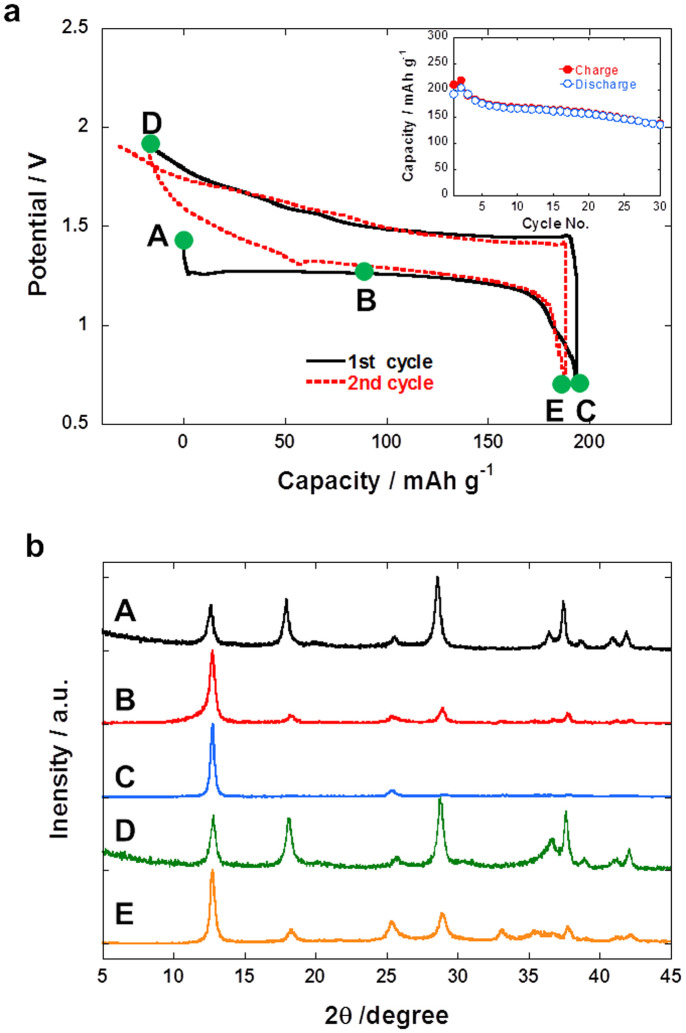
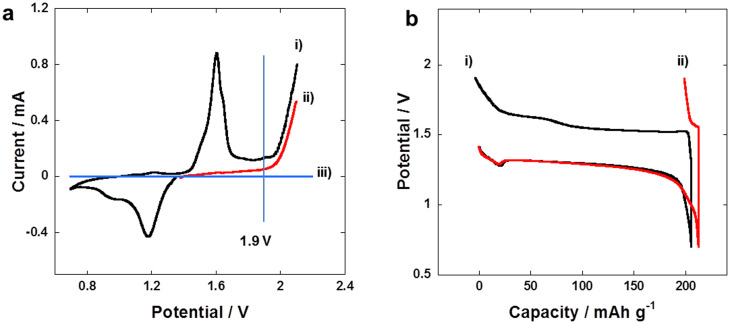
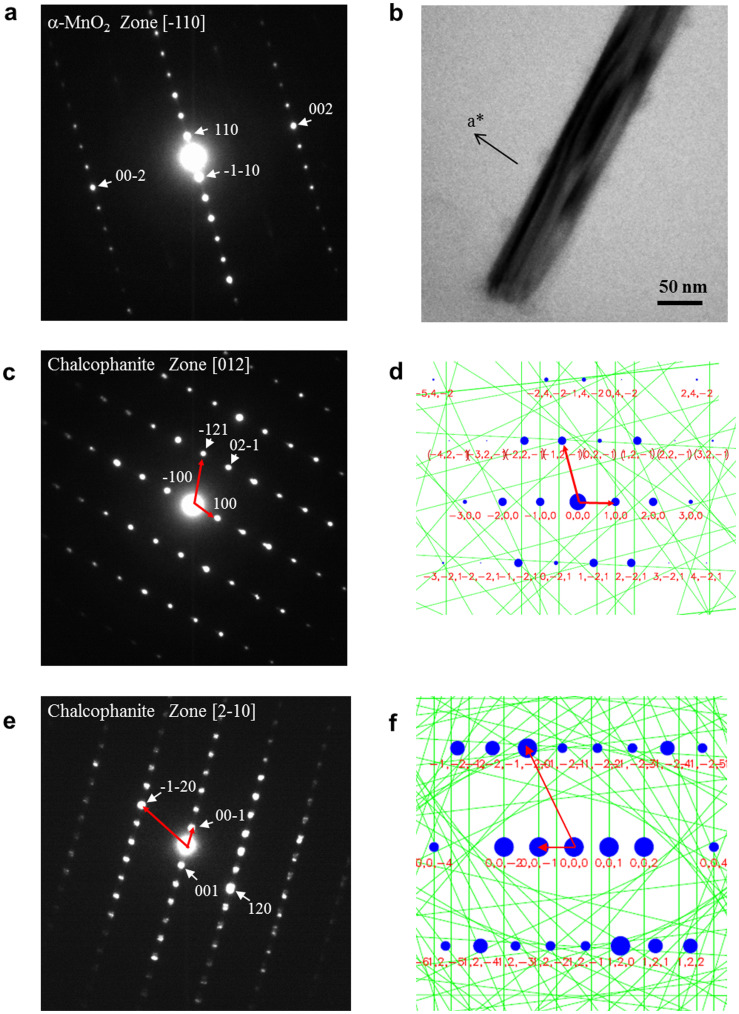
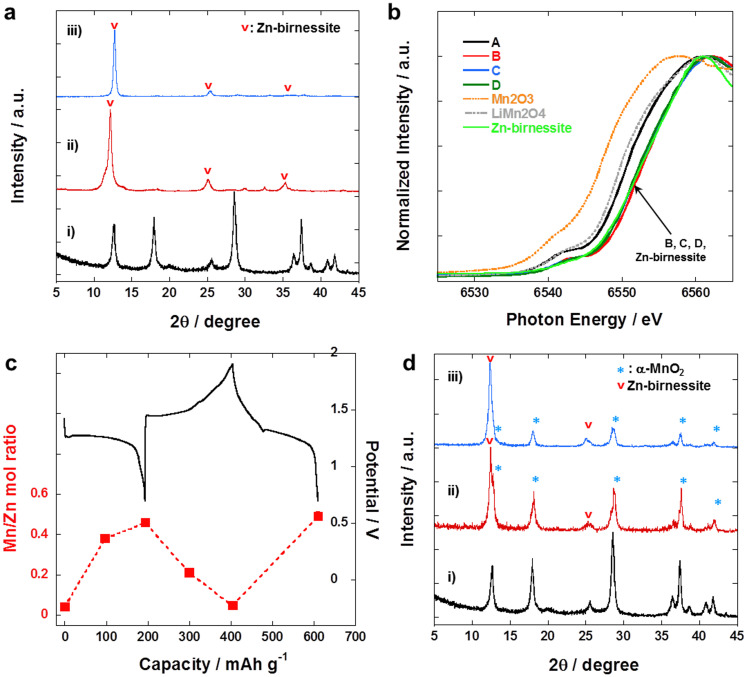
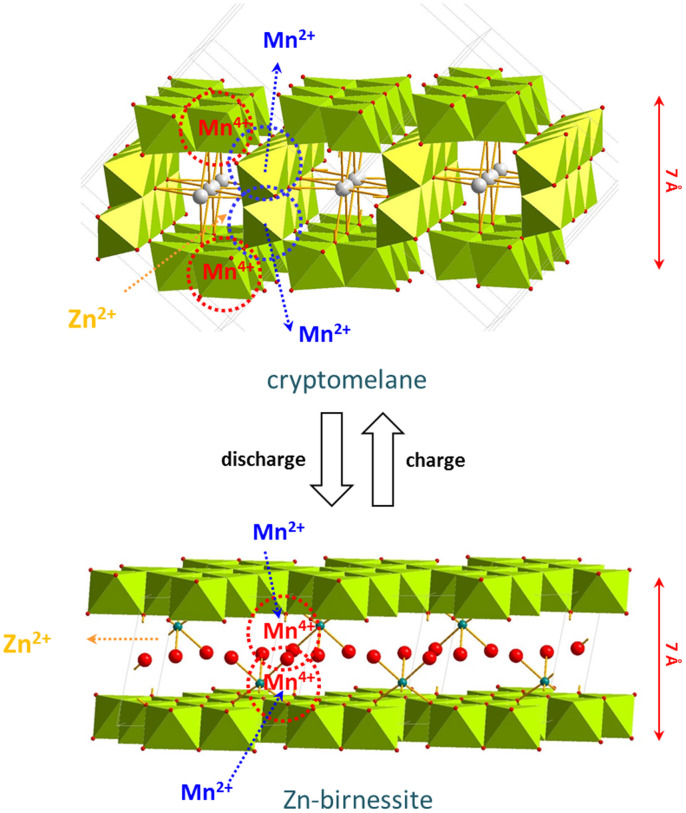
Zn-ion batteries are emerging energy storage systems eligible for large-scale applications, such as electric vehicles. These batteries consist of totally environmentally-benign electrode materials and potentially manufactured very economically. Although Zn/α-MnO2 systems produce high energy densities of 225 Wh kg(-1), larger than those of conventional Mg-ion batteries, they show significant capacity fading during long-term cycling and suffer from poor performance at high current rates. To solve these problems, the concrete reaction mechanism between α-MnO2 and zinc ions that occur on the cathode must be elucidated. Here, we report the intercalation mechanism of zinc ions into α-MnO2 during discharge, which involves a reversible phase transition of MnO2 from tunneled to layered polymorphs by electrochemical reactions. This transition is initiated by the dissolution of manganese from α-MnO2 during discharge process to form layered Zn-birnessite. The original tunneled structure is recovered by the incorporation of manganese ions back into the layers of Zn-birnessite during charge process.
锌离子电池是适用于大规模应用的新兴储能系统,如电动汽车。这些电池由完全环保的电极材料组成,并且在制造上可能非常经济。尽管锌/α-二氧化锰系统能产生225瓦时/千克的高能量密度,高于传统镁离子电池,但它们在长期循环过程中显示出显著的容量衰减,并且在高电流速率下性能不佳。为了解决这些问题,必须阐明阴极上α-二氧化锰与锌离子之间具体的反应机制。在此,我们报道了放电过程中锌离子嵌入α-二氧化锰的机制,这涉及到通过电化学反应使二氧化锰从隧道型多晶型可逆转变为层状多晶型。这种转变是由放电过程中锰从α-二氧化锰溶解形成层状锌水钠锰矿引发的。在充电过程中,通过将锰离子重新掺入锌水钠锰矿层中,可恢复原来的隧道结构。