Shirvani Sareh, Jafari Zahra, Sheibanizadeh Abdolreza, Motasaddi Zarandy Masoud, Jalaie Shohre
Department of Audiology, School of Rehabilitation, Tehran University of Medical Sciences, Tehran, Iran.
Department of Basic Sciences in Rehabilitation, School of Rehabilitation Sciences, Rehabilitation Research Center, Iran University of Medical Sciences, Tehran, Iran.
Iran J Otorhinolaryngol. 2014 Oct;26(77):225-33.
Cochlear implantation (CI) improves language skills among children with hearing loss. However, children with CIs still fall short of fulfilling some other needs, including musical perception. This is often attributed to the biological, technological, and acoustic limitations of CIs. Emotions play a key role in the understanding and enjoyment of music. The present study aimed to investigate the emotional perception of music in children with bilaterally severe-to-profound hearing loss and unilateral CIs.
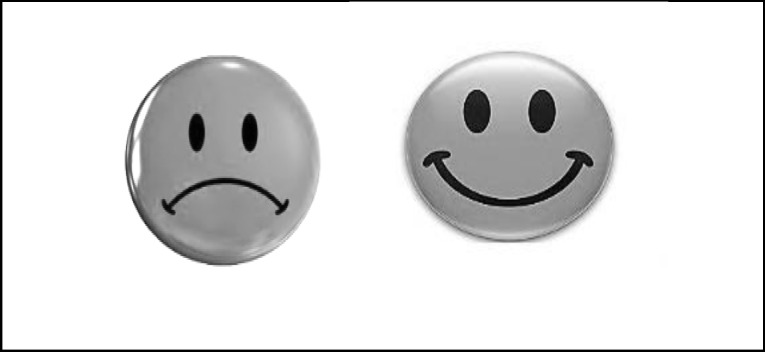
Twenty-five children with congenital severe-to-profound hearing loss and unilateral CIs and 30 children with normal hearing participated in the study. The children's emotional perceptions of music, as defined by Peretz (1998), were measured. Children were instructed to indicate happy or sad feelings fostered in them by the music by pointing to pictures of faces showing these emotions.
Children with CI obtained significantly lower scores than children with normal hearing, for both happy and sad items of music as well as in overall test scores (P<0.001). Furthermore, both in CI group (P=0.49) and the control one (P<0.001), the happy items were more often recognized correctly than the sad items.
Hearing-impaired children with CIs had poorer emotional perception of music than their normal peers. Due to the importance of music in the development of language, cognitive and social interaction skills, aural rehabilitation programs for children with CIs should focus particularly on music. Furthermore, it is essential to enhance the quality of musical perception by improving the quality of implant prostheses.
人工耳蜗植入(CI)可提高听力损失儿童的语言能力。然而,接受人工耳蜗植入的儿童仍无法满足其他一些需求,包括音乐感知。这通常归因于人工耳蜗的生物学、技术和声学限制。情感在音乐的理解和欣赏中起着关键作用。本研究旨在调查双侧重度至极重度听力损失且单侧植入人工耳蜗的儿童对音乐的情感感知。
25名先天性重度至极重度听力损失且单侧植入人工耳蜗的儿童和30名听力正常的儿童参与了该研究。测量了儿童对音乐的情感感知,这是由佩雷茨(1998年)定义的。指导儿童通过指向显示这些情绪的面部图片来表明音乐在他们心中唤起的快乐或悲伤情绪。
对于音乐的快乐和悲伤项目以及总体测试分数,接受人工耳蜗植入的儿童得分显著低于听力正常的儿童(P<0.001)。此外,在人工耳蜗植入组(P=0.49)和对照组(P<0.001)中,快乐的项目比悲伤的项目更常被正确识别。
接受人工耳蜗植入的听力受损儿童对音乐的情感感知比听力正常的同龄人差。由于音乐在语言、认知和社交互动技能发展中的重要性,针对接受人工耳蜗植入儿童的听觉康复计划应特别关注音乐。此外,通过提高植入假体的质量来提高音乐感知质量至关重要。