Trendowski Matthew
Department of Biology, Syracuse University, 107 College Place, Syracuse, NY 13244, USA.
Anticancer Agents Med Chem. 2015;15(3):327-35. doi: 10.2174/1871520614666141016164335.
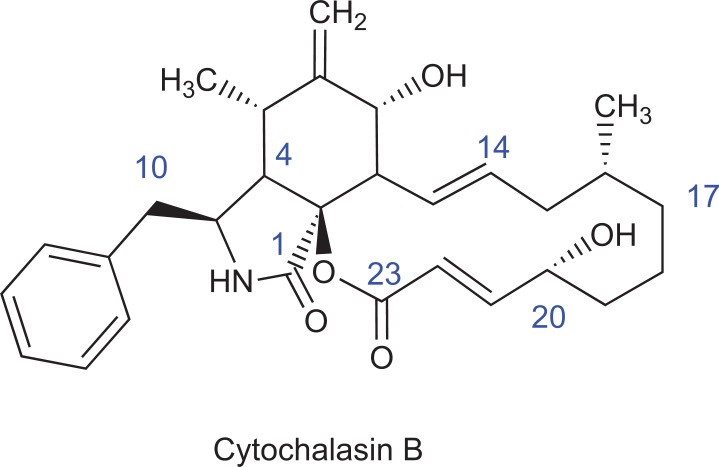
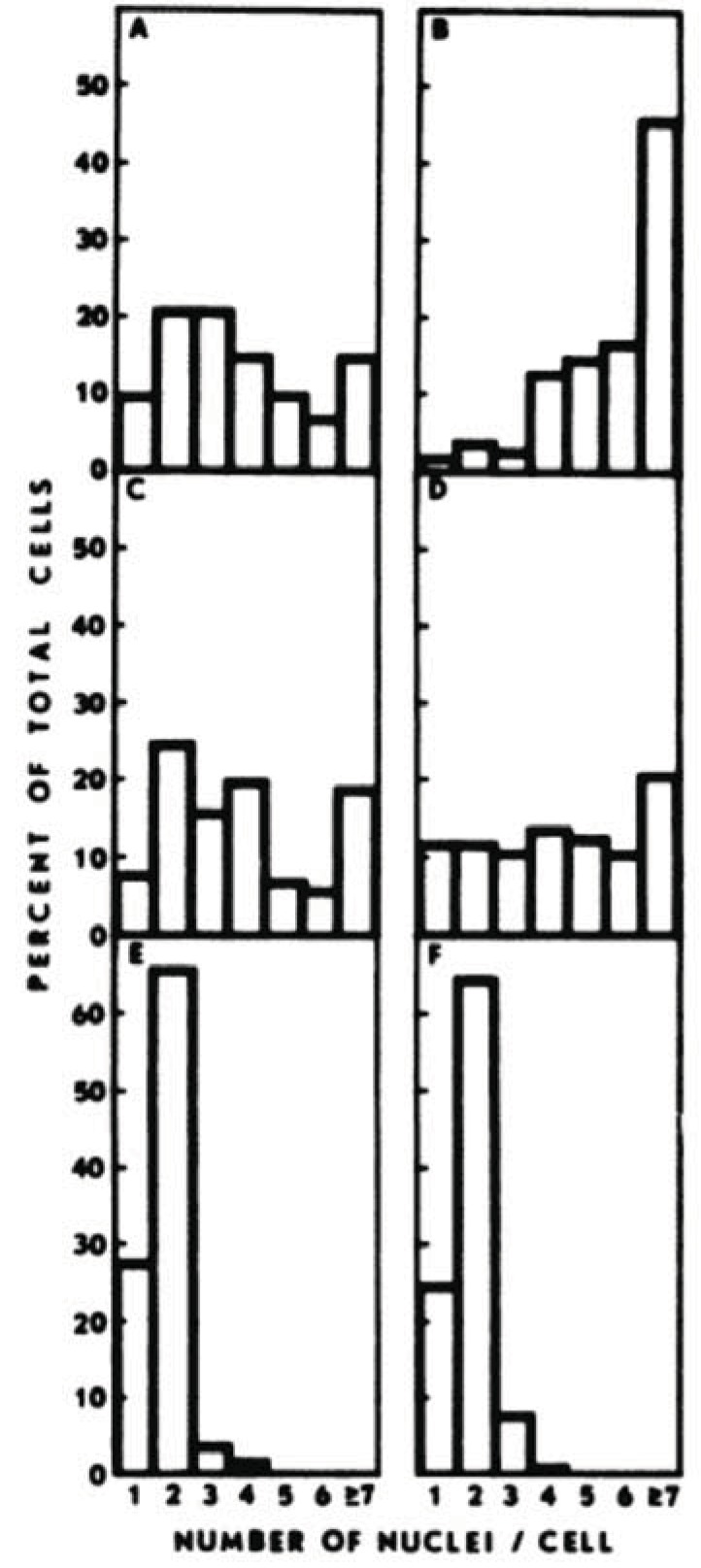
Although the amount of progress cancer therapy has made in recent years is commendable, considerable limitations still remain. Most agents preferentially target rapidly proliferating cells, thereby destroying tumorigenic growths. Unfortunately, there are many labile cells in the patient that are also rapidly dividing, ultimately perpetuating significant side effects, including immunosuppression. Cytochalasins are microfilament-directed agents most commonly known for their use in basic research to understand cytoskeletal mechanisms. However, such agents also exhibit profound anticancer activity, as indicated by numerous in vitro and in vivo studies. Cytochalasins appear to preferentially damage malignant cells, as shown by their minimal effects on normal epithelial and immune cells. Further, cytochalasins influence the end stages of mitosis, suggesting that such agents could be combined with microtubule-directed agents to elicit a profound synergistic effect on malignant cells. Therefore, it is likely that cytochalasins could be used to supplement current chemotherapeutic measures to improve efficacy rates, as well as decrease the prevalence of drug resistance in the clinical setting.
尽管近年来癌症治疗取得的进展值得称赞,但仍然存在相当大的局限性。大多数药物优先靶向快速增殖的细胞,从而破坏致瘤性生长。不幸的是,患者体内有许多不稳定细胞也在快速分裂,最终导致包括免疫抑制在内的严重副作用持续存在。细胞松弛素是一种作用于微丝的药物,最广为人知的是其在基础研究中用于了解细胞骨架机制。然而,正如众多体外和体内研究表明的那样,这类药物也表现出显著的抗癌活性。细胞松弛素似乎优先损害恶性细胞,对正常上皮细胞和免疫细胞的影响极小。此外,细胞松弛素影响有丝分裂的末期,这表明这类药物可以与作用于微管的药物联合使用,对恶性细胞产生显著的协同作用。因此,细胞松弛素很可能可用于补充当前的化疗措施,以提高疗效,并降低临床环境中耐药性的发生率。