Department of Neurology, Neuromuscular Research Center, Tampere University Hospital, University of Tampere , Tampere , Finland.
Department of Neurology, Neuromuscular Research Center, Tampere University Hospital, University of Tampere , Tampere , Finland ; Department of Medical Genetics, Folkhälsan Institute of Genetics, University of Helsinki , Helsinki , Finland ; Department of Neurology, Vaasa Central Hospital , Vaasa , Finland.
Front Aging Neurosci. 2014 Sep 29;6:267. doi: 10.3389/fnagi.2014.00267. eCollection 2014.
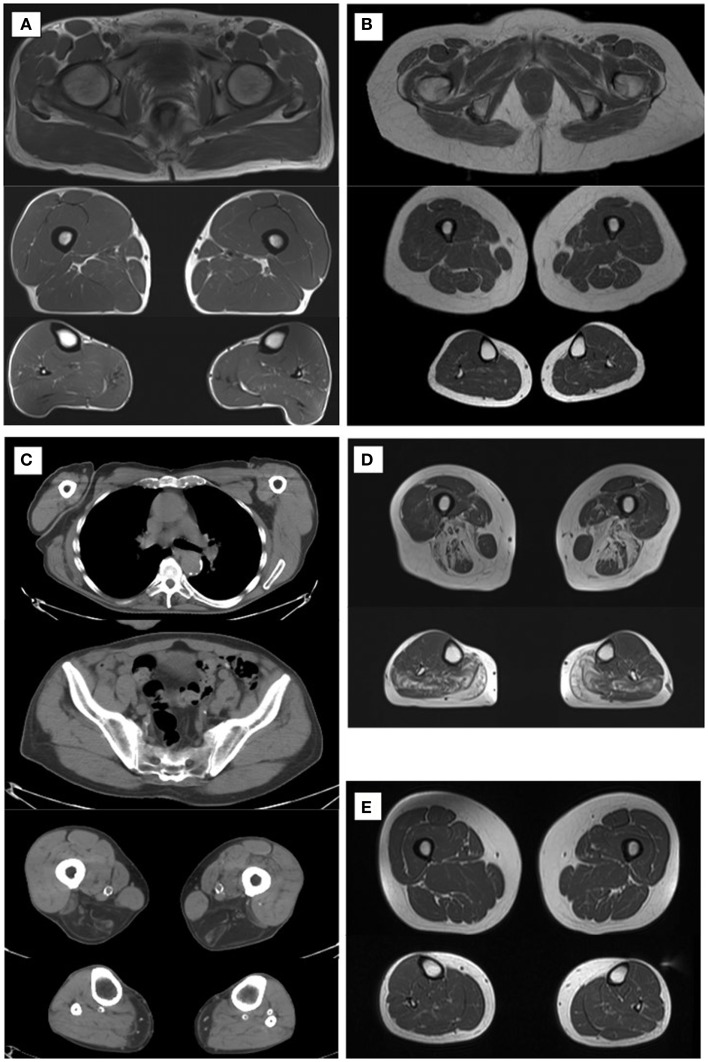
Numerous natural or disease-related alterations occur in different tissues of the body with advancing age. Sarcopenia is defined as age-related decrease of muscle mass and strength beginning in mid-adulthood and accelerating in people older than 60 years. Pathophysiology of sarcopenia involves both neural and muscle dependent mechanisms and is enhanced by multiple factors. Aged muscles show loss in fiber number, fiber atrophy, and gradual increase in the number of ragged red fibers and cytochrome c oxidase-negative fibers. Generalized loss of muscle tissue and increased amount of intramuscular fat are seen on muscle imaging. However, the degree of these changes varies greatly between individuals, and the distinction between normal age-related weakening of muscle strength and clinically significant muscle disease is not always obvious. Because some of the genetic myopathies can present at a very old age and be mild in severity, the correct diagnosis is easily missed. We highlight this difficult borderline zone between sarcopenia and muscle disease by two examples: LGMD1D and myotonic dystrophy type 2. Muscle magnetic resonance imaging (MRI) is a useful tool to help differentiate myopathies from sarcopenia and to reach the correct diagnosis also in the elderly.
随着年龄的增长,身体的不同组织会发生许多自然或与疾病相关的改变。肌肉减少症定义为中年后开始出现并加速的与年龄相关的肌肉质量和力量下降。肌肉减少症的病理生理学涉及神经和肌肉依赖性机制,并受多种因素增强。老年肌肉表现为纤维数量减少、纤维萎缩,以及杂乱红纤维和细胞色素 c 氧化酶阴性纤维数量逐渐增加。肌肉影像学可见肌肉组织普遍丢失和肌肉内脂肪量增加。然而,这些变化的程度在个体之间差异很大,并且正常的与年龄相关的肌肉力量减弱与临床上显著的肌肉疾病之间的区别并不总是很明显。由于一些遗传性肌病可能在非常高龄时出现且程度较轻,因此正确的诊断很容易被忽视。我们通过两个例子强调了肌肉减少症和肌肉疾病之间的这个困难的边界区域:LGMD1D 和肌强直性营养不良 2 型。肌肉磁共振成像(MRI)是一种有用的工具,可以帮助区分肌肉疾病和肌肉减少症,并在老年人中做出正确的诊断。