Kim Moon Jong, Choe Kwang-Min
Department of Systems Biology, Yonsei University, Seodaemun-gu, Seoul, South Korea.
PLoS Genet. 2014 Oct 16;10(10):e1004683. doi: 10.1371/journal.pgen.1004683. eCollection 2014 Oct.
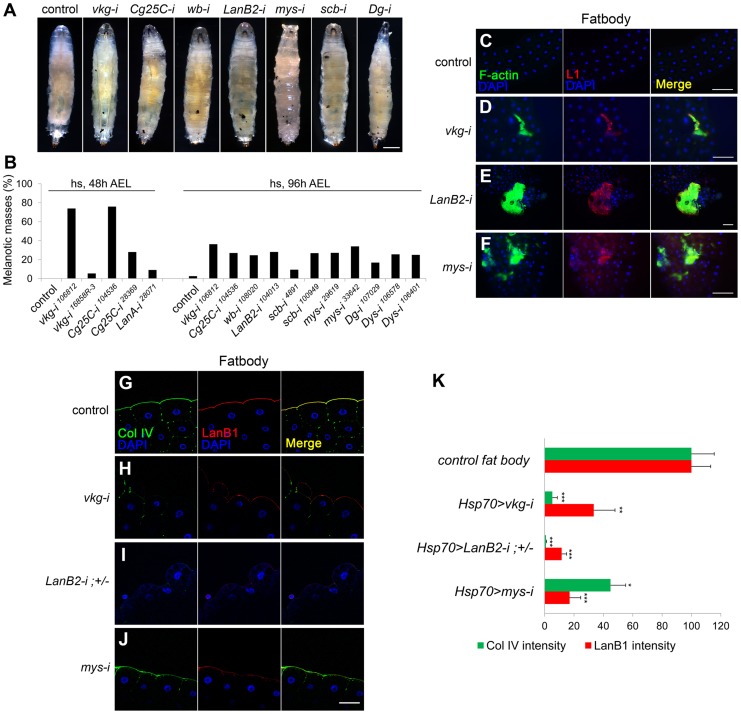
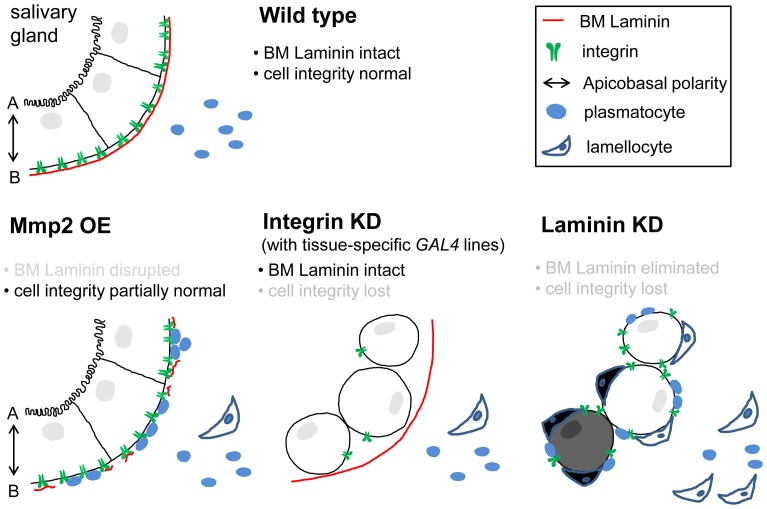
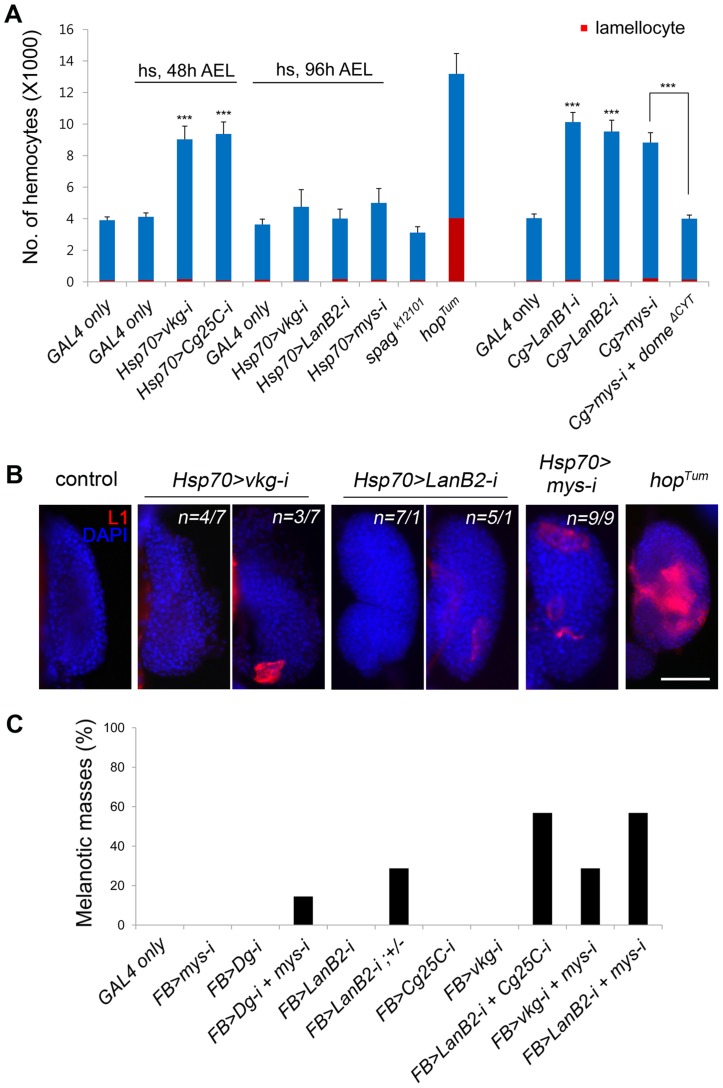
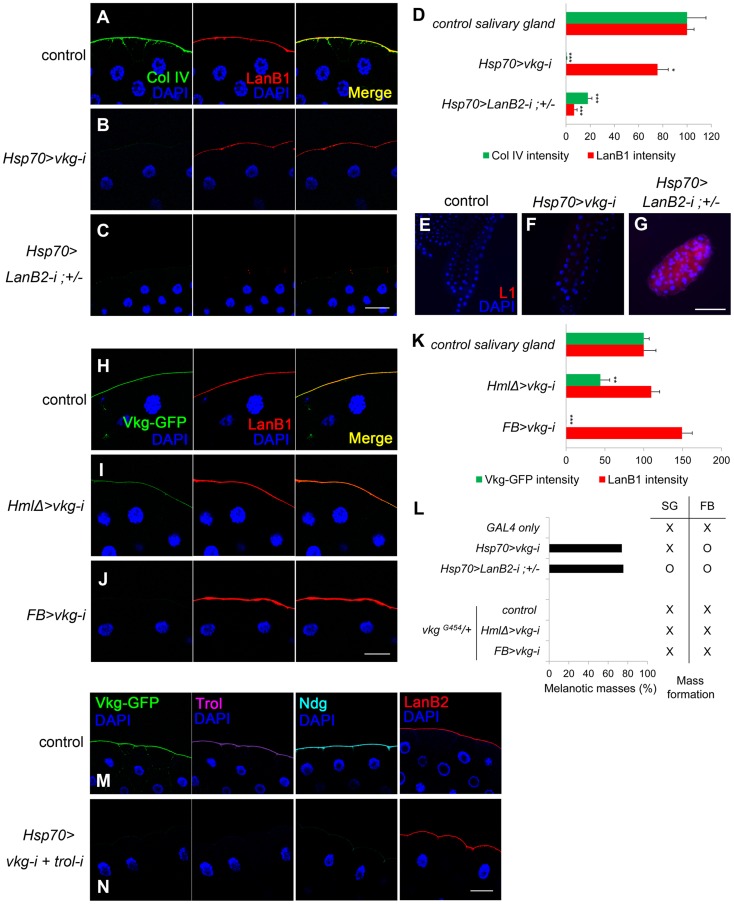
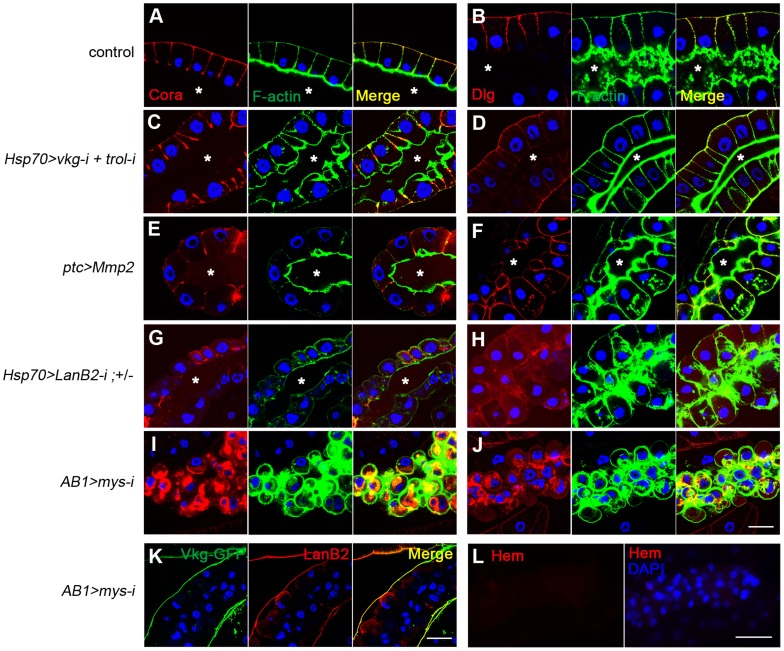
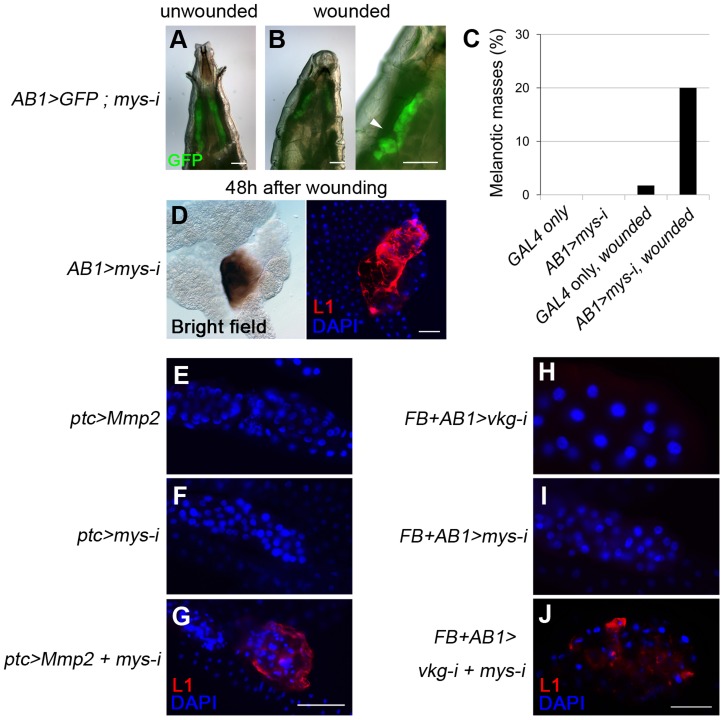
The mechanism underlying immune system recognition of different types of pathogens has been extensively studied over the past few decades; however, the mechanism by which healthy self-tissue evades an attack by its own immune system is less well-understood. Here, we established an autoimmune model of melanotic mass formation in Drosophila by genetically disrupting the basement membrane. We found that the basement membrane endows otherwise susceptible target tissues with self-tolerance that prevents autoimmunity, and further demonstrated that laminin is a key component for both structural maintenance and the self-tolerance checkpoint function of the basement membrane. Moreover, we found that cell integrity, as determined by cell-cell interaction and apicobasal polarity, functions as a second discrete checkpoint. Target tissues became vulnerable to blood cell encapsulation and subsequent melanization only after loss of both the basement membrane and cell integrity.
在过去几十年中,免疫系统识别不同类型病原体的机制已得到广泛研究;然而,健康的自身组织如何规避自身免疫系统攻击的机制却鲜为人知。在此,我们通过基因破坏果蝇的基底膜建立了一个黑色素瘤形成的自身免疫模型。我们发现基底膜赋予原本易受攻击的靶组织自我耐受性,从而防止自身免疫,并进一步证明层粘连蛋白是基底膜结构维持和自我耐受性检查点功能的关键成分。此外,我们发现由细胞间相互作用和顶基极性决定的细胞完整性作为第二个独立的检查点发挥作用。只有在基底膜和细胞完整性都丧失后,靶组织才会易受血细胞包囊和随后的黑化作用影响。