Lösch Sandra, Moghaddam Negahnaz, Grossschmidt Karl, Risser Daniele U, Kanz Fabian
Department of Physical Anthropology, Institute of Forensic Medicine, University of Bern, Bern, Switzerland.
Center of Anatomy and Cell Biology, Medical University of Vienna, Vienna, Austria.
PLoS One. 2014 Oct 15;9(10):e110489. doi: 10.1371/journal.pone.0110489. eCollection 2014.
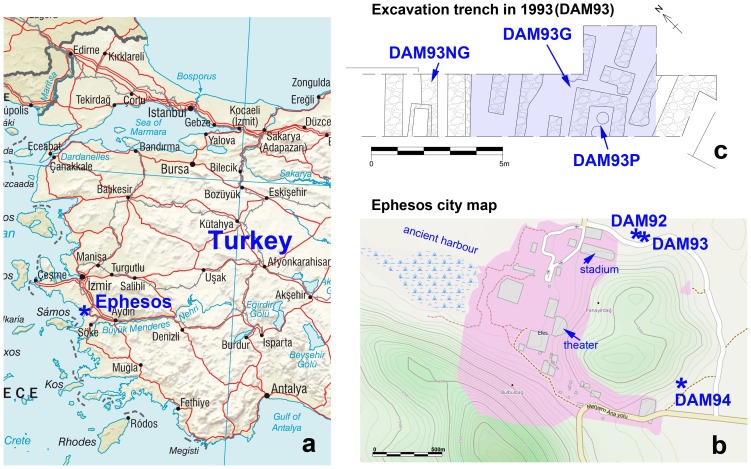
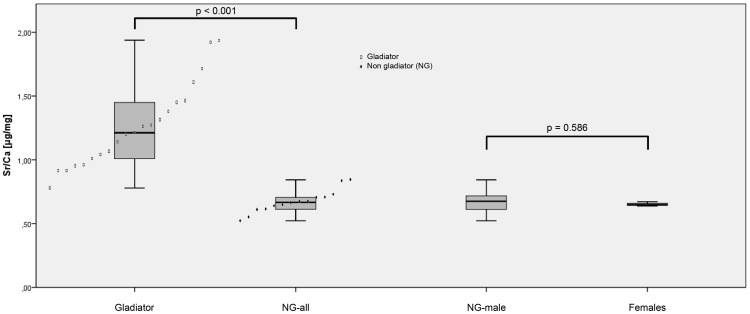
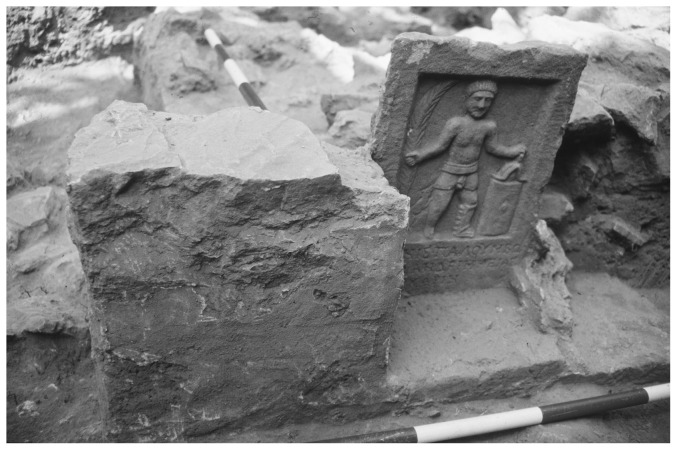
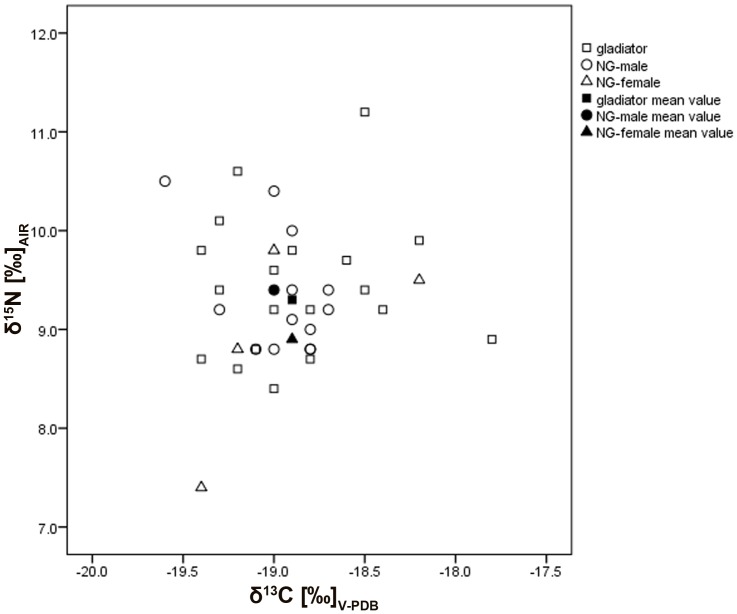
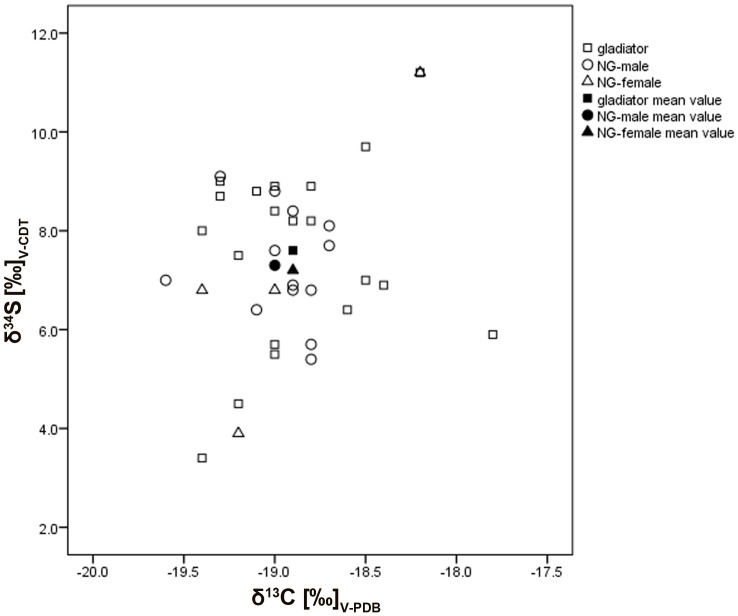
The gladiator cemetery discovered in Ephesus (Turkey) in 1993 dates to the 2nd and 3rd century AD. The aim of this study is to reconstruct diverse diet, social stratification, and migration of the inhabitants of Roman Ephesus and the distinct group of gladiators. Stable carbon, nitrogen, and sulphur isotope analysis were applied, and inorganic bone elements (strontium, calcium) were determined. In total, 53 individuals, including 22 gladiators, were analysed. All individuals consumed C3 plants like wheat and barley as staple food. A few individuals show indication of consumption of C4 plants. The δ13C values of one female from the gladiator cemetery and one gladiator differ from all other individuals. Their δ34S values indicate that they probably migrated from another geographical region or consumed different foods. The δ15N values are relatively low in comparison to other sites from Roman times. A probable cause for the depletion of 15N in Ephesus could be the frequent consumption of legumes. The Sr/Ca-ratios of the gladiators were significantly higher than the values of the contemporary Roman inhabitants. Since the Sr/Ca-ratio reflects the main Ca-supplier in the diet, the elevated values of the gladiators might suggest a frequent use of a plant ash beverage, as mentioned in ancient texts.
1993年在以弗所(土耳其)发现的角斗士墓地可追溯至公元2世纪和3世纪。本研究的目的是重建罗马时期以弗所居民以及独特的角斗士群体的多样化饮食、社会分层和迁徙情况。应用了稳定碳、氮和硫同位素分析,并测定了无机骨元素(锶、钙)。总共分析了53个人,其中包括22名角斗士。所有个体都以小麦和大麦等C3植物作为主食。少数个体显示出食用C4植物的迹象。来自角斗士墓地的一名女性和一名角斗士的δ13C值与所有其他个体不同。他们的δ34S值表明他们可能从另一个地理区域迁移而来或食用了不同的食物。与罗马时期的其他遗址相比,δ15N值相对较低。以弗所15N含量减少的一个可能原因可能是豆类的频繁食用。角斗士的Sr/Ca比值明显高于同时期罗马居民的值。由于Sr/Ca比值反映了饮食中的主要钙供应来源,角斗士的该值升高可能表明他们经常饮用一种植物灰饮料,正如古代文献中所提到的那样。