Masoumi Nafiseh, Framanzad F, Zamanian Behnam, Seddighi A S, Moosavi M H, Najarian S, Bastani Dariush
Chemical & Petroleum Engineering Department, Sharif University of Technology, Tehran, Iran.
Biomechanics Group Faculty, Mechanical Engineering Department, Iranian University of Science and Technology, Tehran, Iran.
Basic Clin Neurosci. 2013 Winter;4(1):64-75.
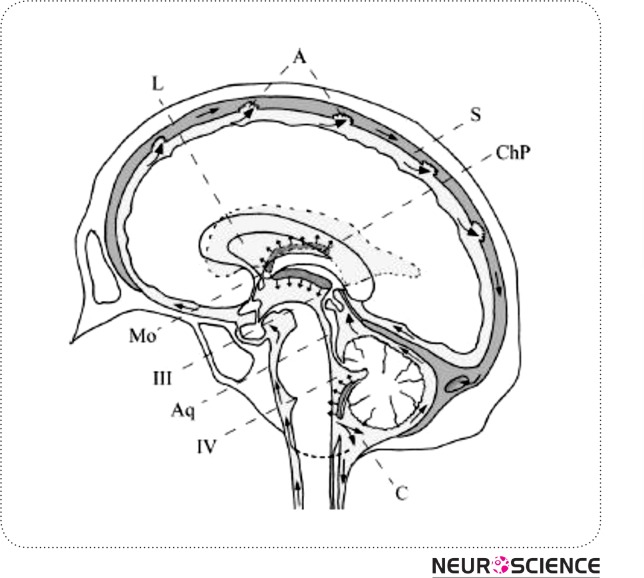
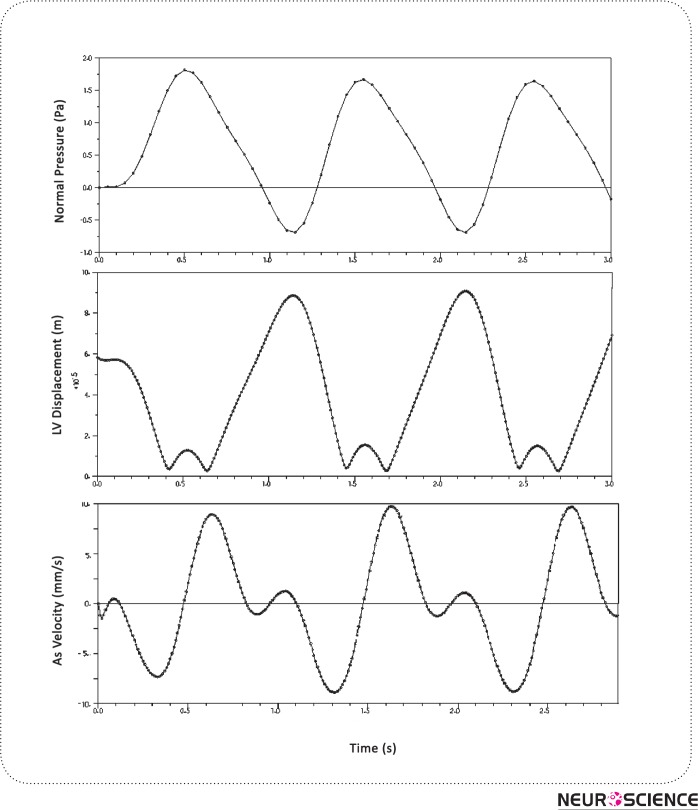
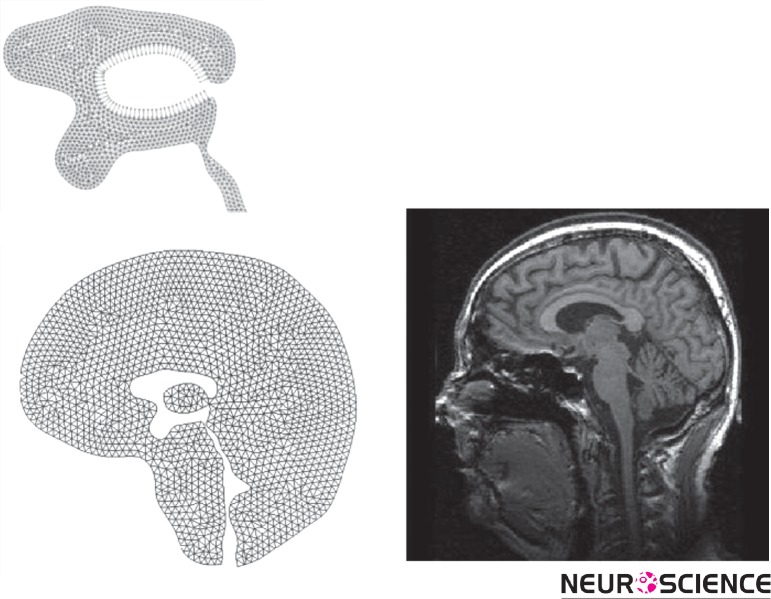
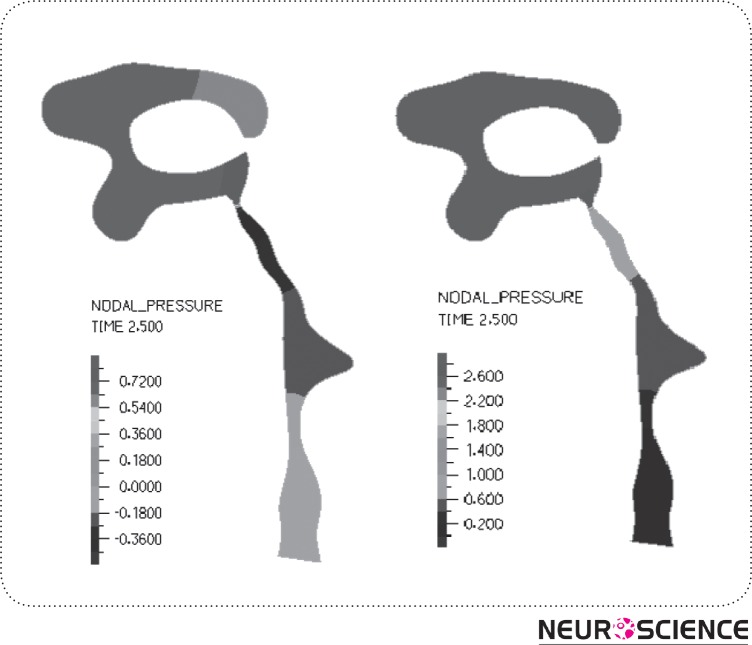
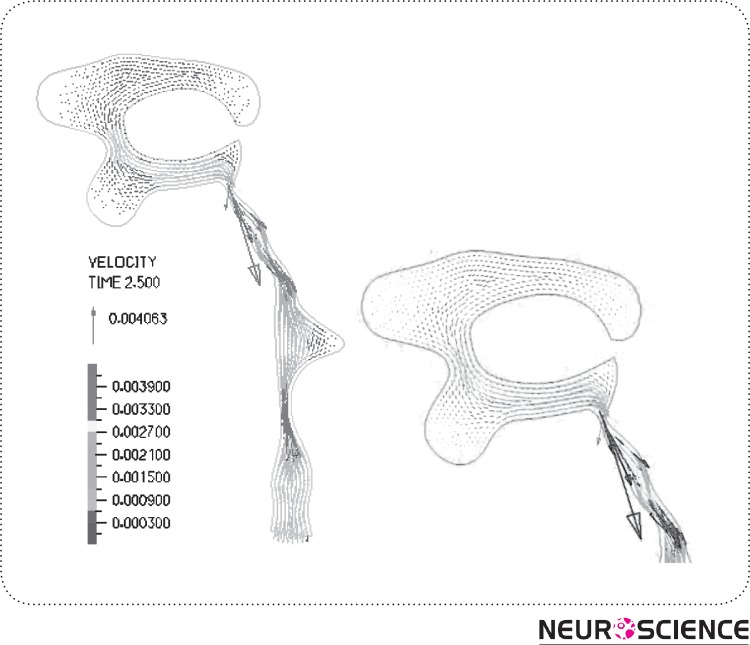
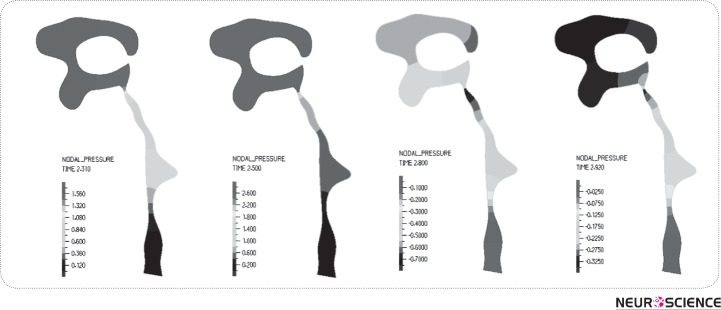
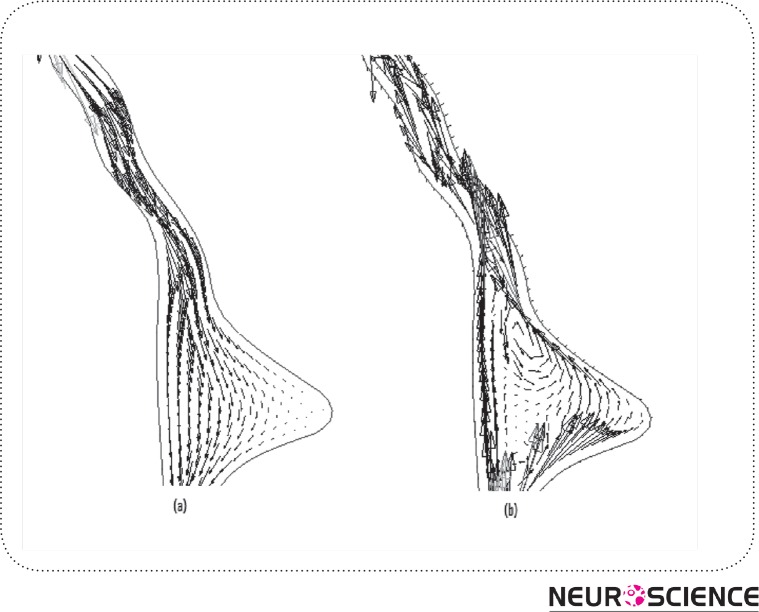
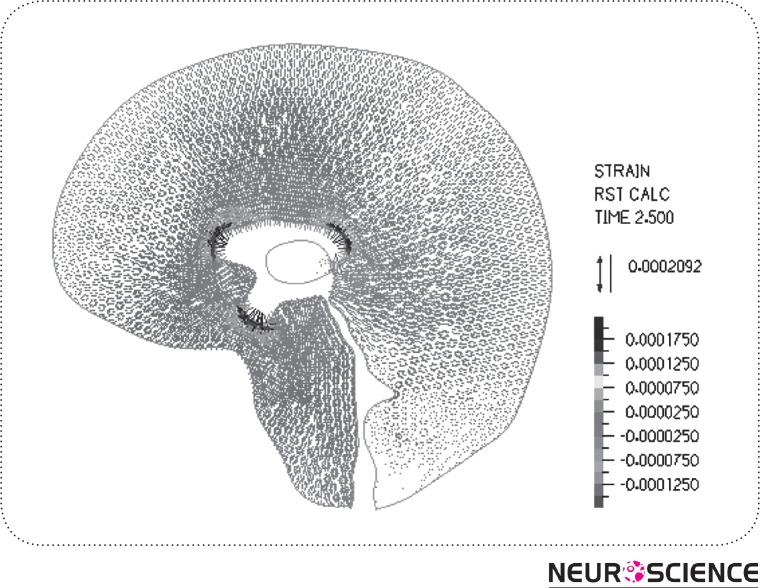
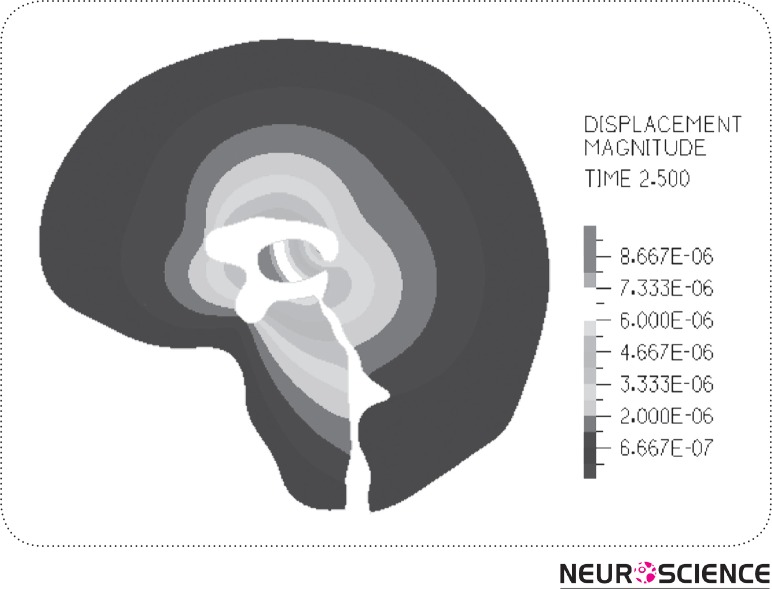
Many diseases are related to cerebrospinal fluid (CSF) hydrodynamics. Therefore, understanding the hydrodynamics of CSF flow and intracranial pressure is helpful for obtaining deeper knowledge of pathological processes and providing better treatments. Furthermore, engineering a reliable computational method is promising approach for fabricating in vitro models which is essential for inventing generic medicines. A Fluid-Solid Interaction (FSI)model was constructed to simulate CSF flow. An important problem in modeling the CSF flow is the diastolic back flow. In this article, using both rigid and flexible conditions for ventricular system allowed us to evaluate the effect of surrounding brain tissue. Our model assumed an elastic wall for the ventricles and a pulsatile CSF input as its boundary conditions. A comparison of the results and the experimental data was done. The flexible model gave better results because it could reproduce the diastolic back flow mentioned in clinical research studies. The previous rigid models have ignored the brain parenchyma interaction with CSF and so had not reported the back flow during the diastolic time. In this computational fluid dynamic (CFD) analysis, the CSF pressure and flow velocity in different areas were concordant with the experimental data.
许多疾病都与脑脊液(CSF)流体动力学有关。因此,了解脑脊液流动和颅内压的流体动力学有助于更深入地了解病理过程并提供更好的治疗方法。此外,设计一种可靠的计算方法是制造体外模型的有前景的方法,这对于发明通用药物至关重要。构建了一种流固相互作用(FSI)模型来模拟脑脊液流动。模拟脑脊液流动中的一个重要问题是舒张期逆流。在本文中,对心室系统使用刚性和柔性条件使我们能够评估周围脑组织的影响。我们的模型假设心室壁具有弹性,并将脉动性脑脊液输入作为其边界条件。对结果与实验数据进行了比较。柔性模型给出了更好的结果,因为它可以重现临床研究中提到的舒张期逆流。以前的刚性模型忽略了脑实质与脑脊液的相互作用,因此未报告舒张期的逆流情况。在这项计算流体动力学(CFD)分析中,不同区域的脑脊液压力和流速与实验数据一致。