Chen Jeremy Tsung-chieh, Guo Da, Campanelli Dario, Frattini Flavia, Mayer Florian, Zhou Luming, Kuner Rohini, Heppenstall Paul A, Knipper Marlies, Hu Jing
Centre for Integrative Neuroscience, Otfried-Mueller-Strasse 25, 72076 Tübingen, Germany.
1] Centre for Integrative Neuroscience, Otfried-Mueller-Strasse 25, 72076 Tübingen, Germany [2] Hearing Research Centre, Elfriede Aulhornstrasse 5, 72076 Tübingen, Germany.
Nat Commun. 2014 Oct 30;5:5331. doi: 10.1038/ncomms6331.
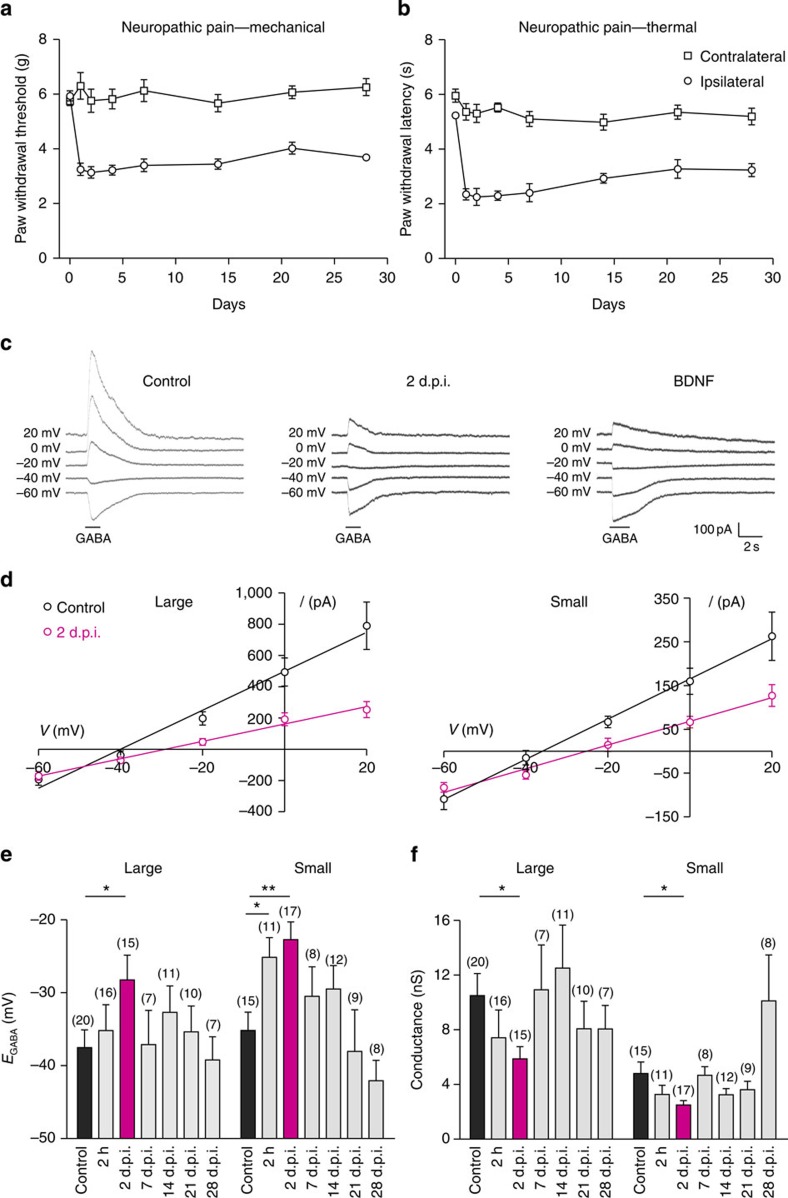
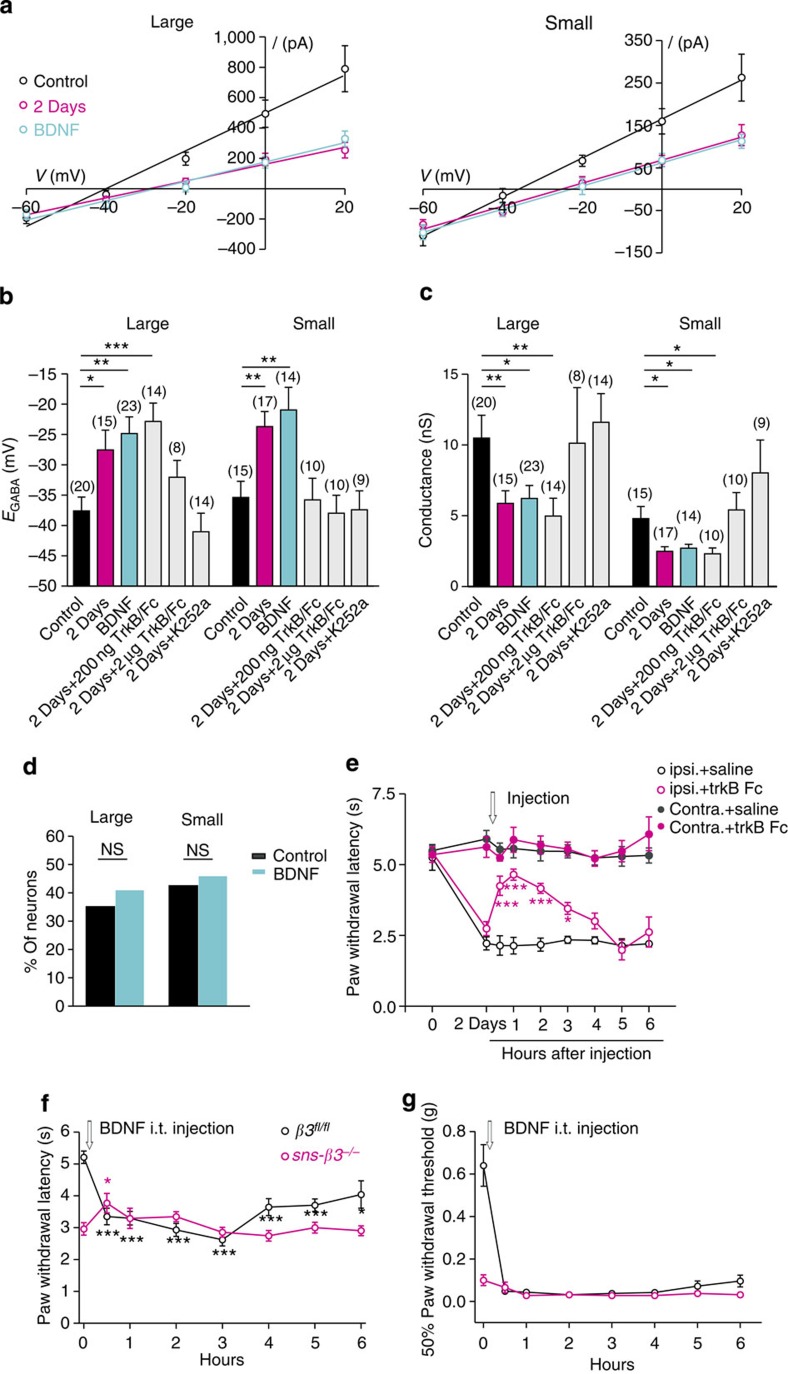
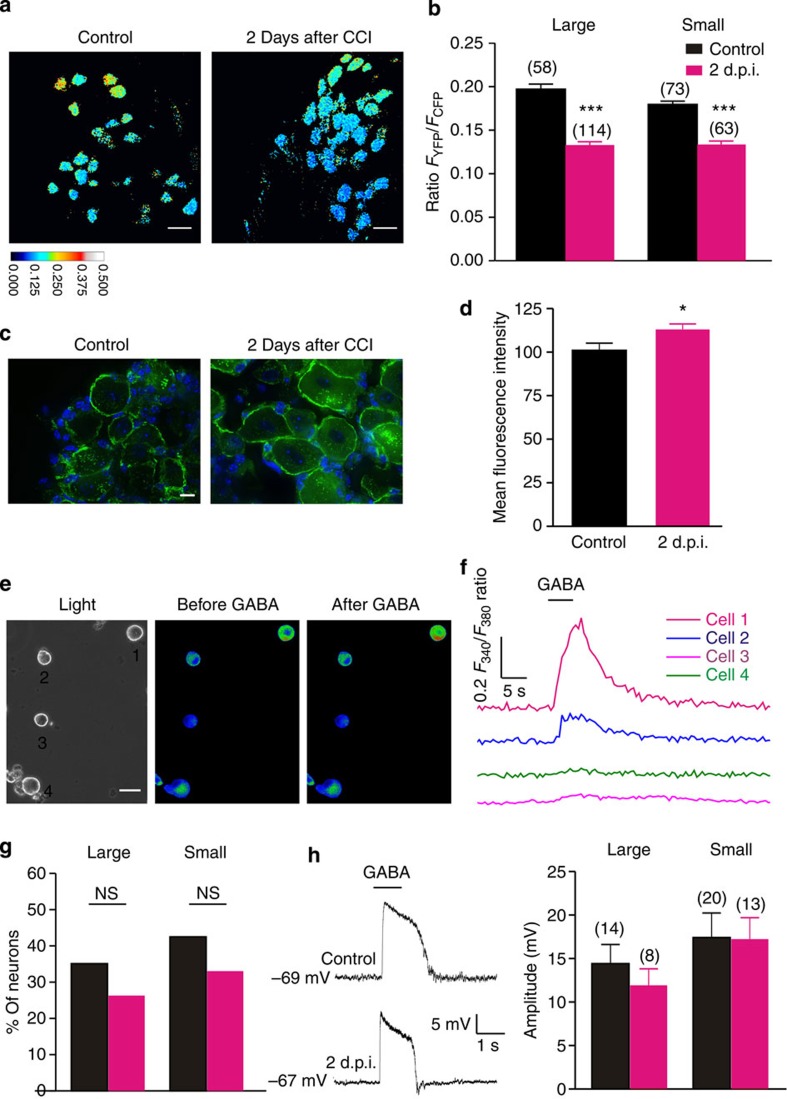
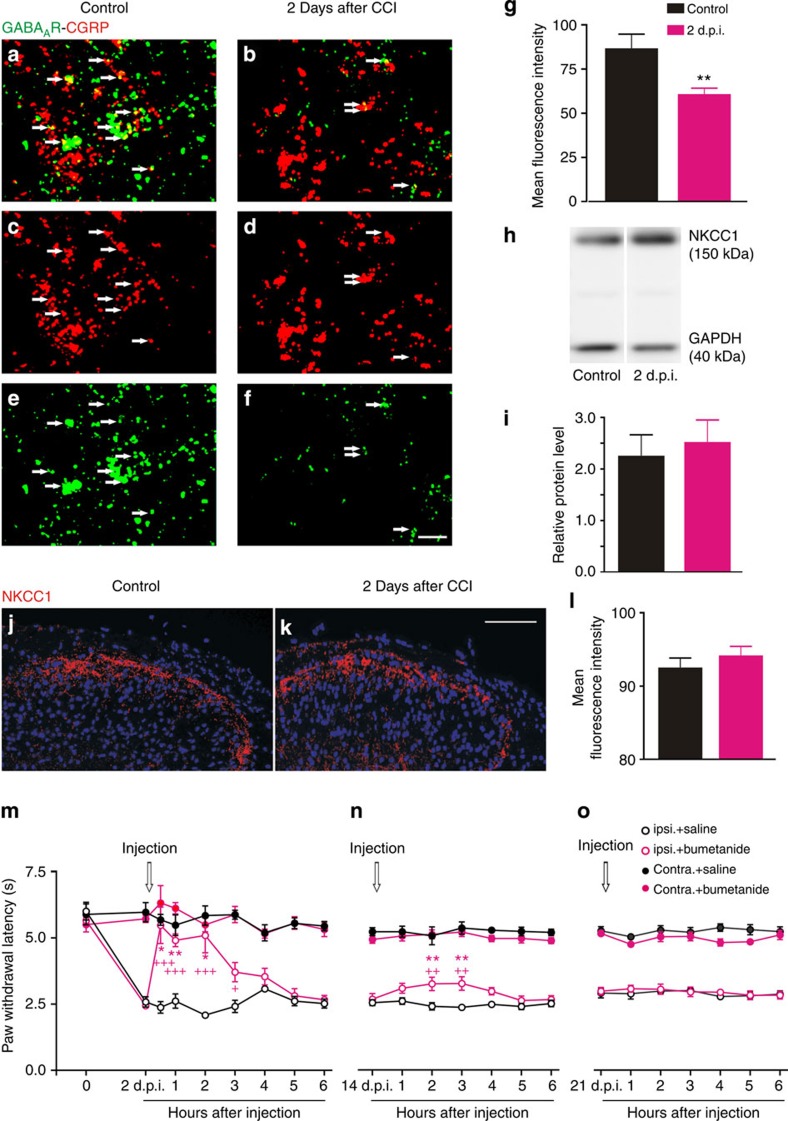
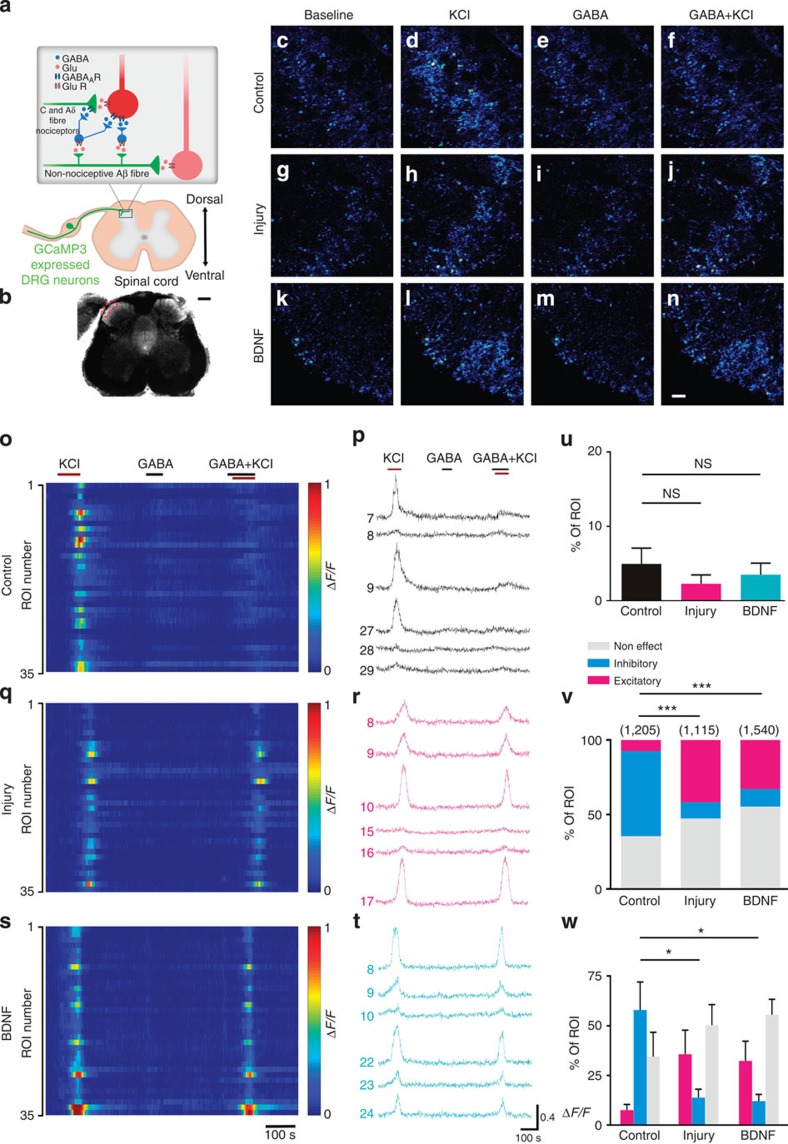
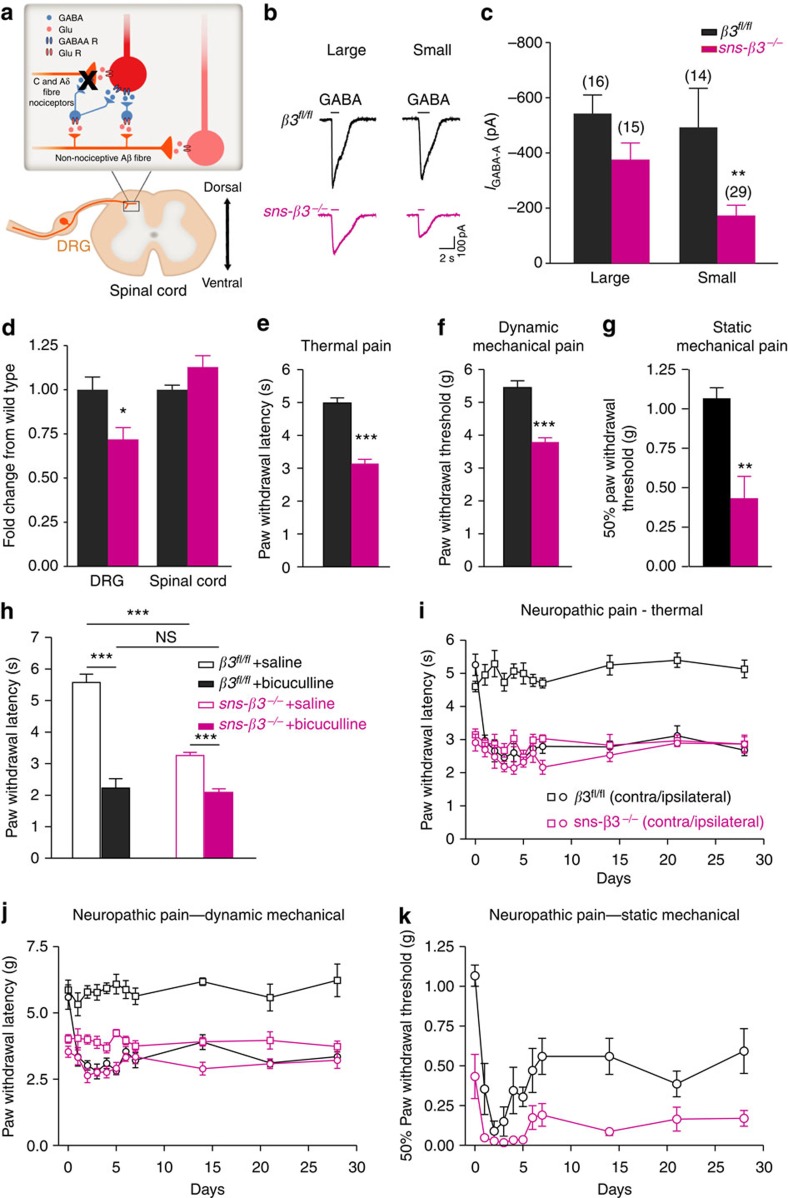
The gate control theory proposes the importance of both pre- and post-synaptic inhibition in processing pain signal in the spinal cord. However, although postsynaptic disinhibition caused by brain-derived neurotrophic factor (BDNF) has been proved as a crucial mechanism underlying neuropathic pain, the function of presynaptic inhibition in acute and neuropathic pain remains elusive. Here we show that a transient shift in the reversal potential (EGABA) together with a decline in the conductance of presynaptic GABAA receptor result in a reduction of presynaptic inhibition after nerve injury. BDNF mimics, whereas blockade of BDNF signalling reverses, the alteration in GABAA receptor function and the neuropathic pain syndrome. Finally, genetic disruption of presynaptic inhibition leads to spontaneous development of behavioural hypersensitivity, which cannot be further sensitized by nerve lesions or BDNF. Our results reveal a novel effect of BDNF on presynaptic GABAergic inhibition after nerve injury and may represent new strategy for treating neuropathic pain.
闸门控制理论提出了突触前和突触后抑制在脊髓疼痛信号处理中的重要性。然而,尽管脑源性神经营养因子(BDNF)引起的突触后去抑制已被证明是神经性疼痛的关键机制,但突触前抑制在急性和神经性疼痛中的作用仍不清楚。在这里,我们表明,神经损伤后,逆转电位(EGABA)的短暂变化以及突触前GABAA受体电导的下降导致突触前抑制减弱。BDNF模拟这种变化,而阻断BDNF信号则逆转GABAA受体功能和神经性疼痛综合征的改变。最后,突触前抑制的基因破坏导致行为超敏反应的自发发展,神经损伤或BDNF不能进一步使其敏感化。我们的结果揭示了BDNF对神经损伤后突触前GABA能抑制的新作用,并可能代表治疗神经性疼痛的新策略。