Gong Ping, Madak-Erdogan Zeynep, Li Jilong, Cheng Jianlin, Greenlief C Michael, Helferich William, Katzenellenbogen John A, Katzenellenbogen Benita S
Botanical Research Center, University of Missouri, Columbia, MO 65211.
Nucl Recept Signal. 2014 Sep 12;12:e001. doi: 10.1621/nrs.12001. eCollection 2014.
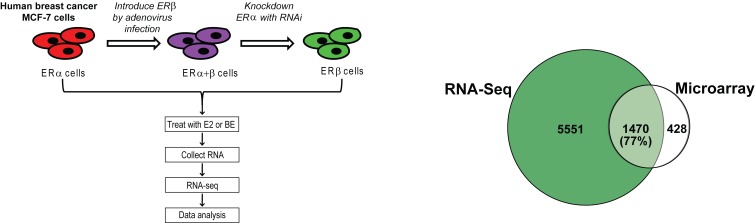
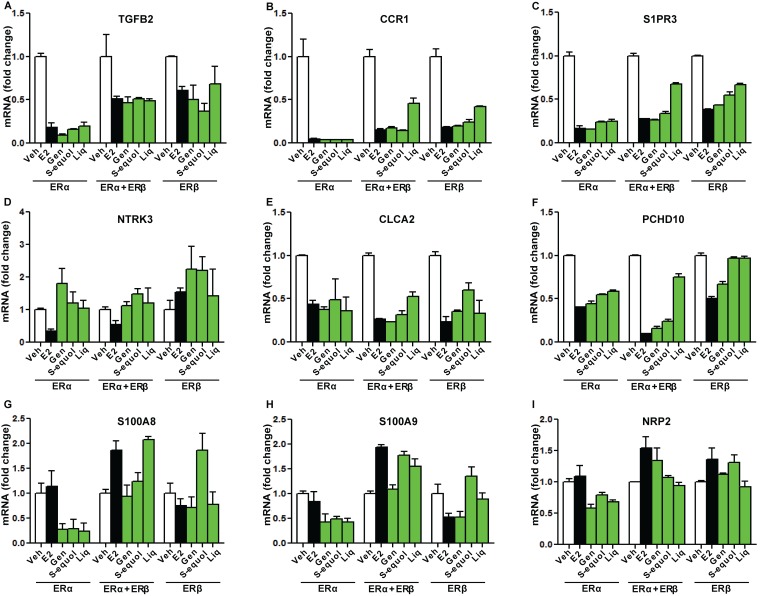
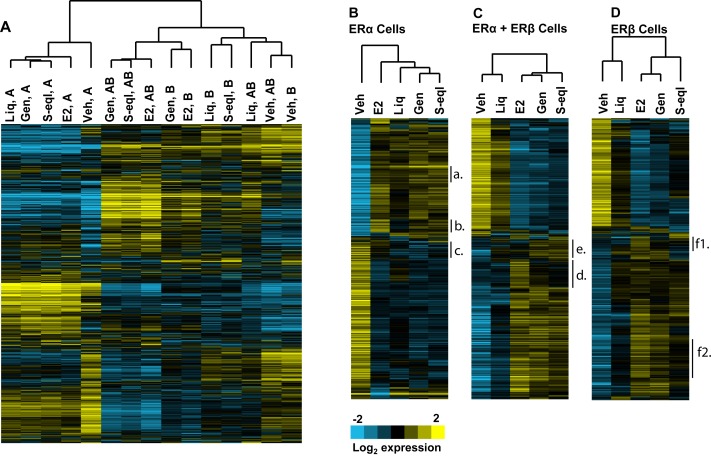
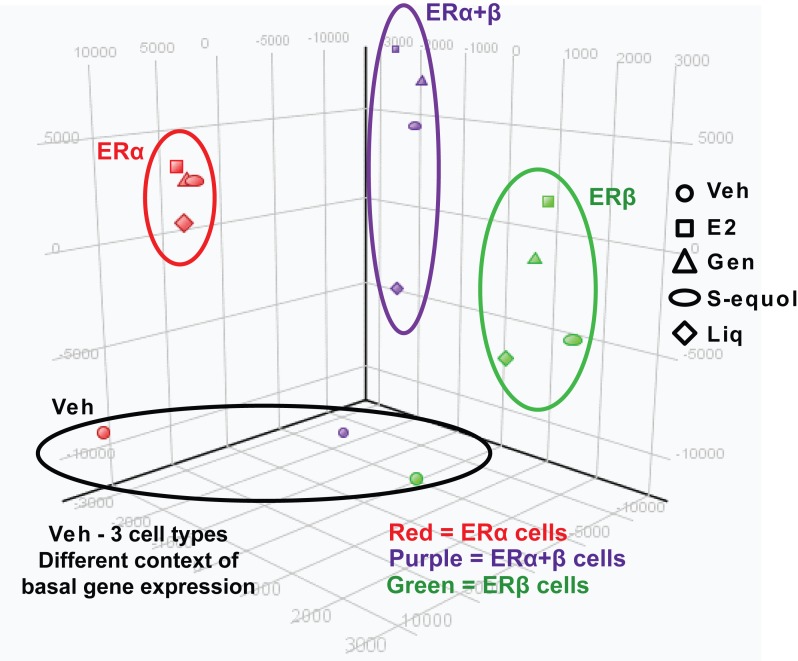
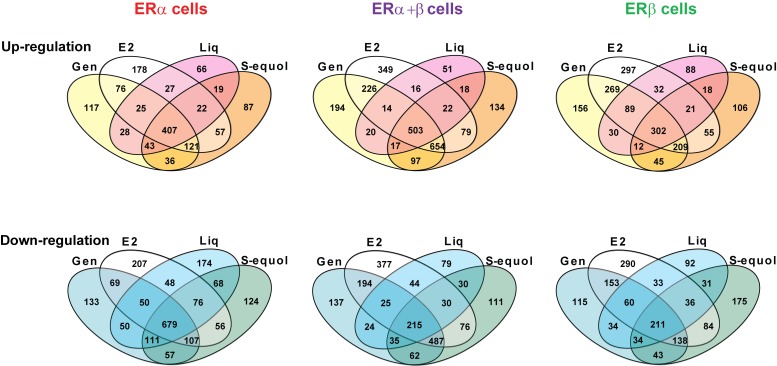
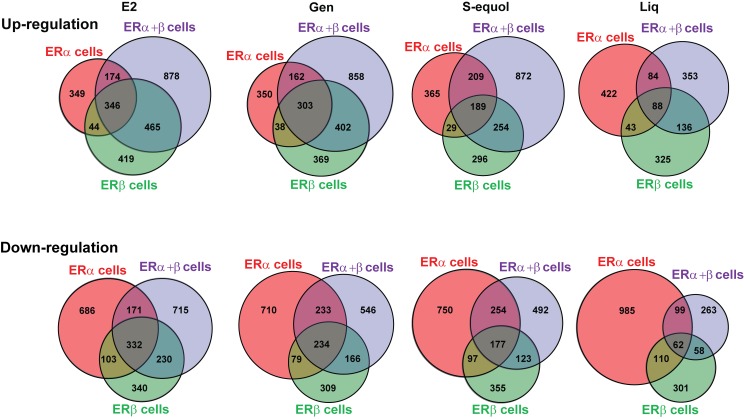
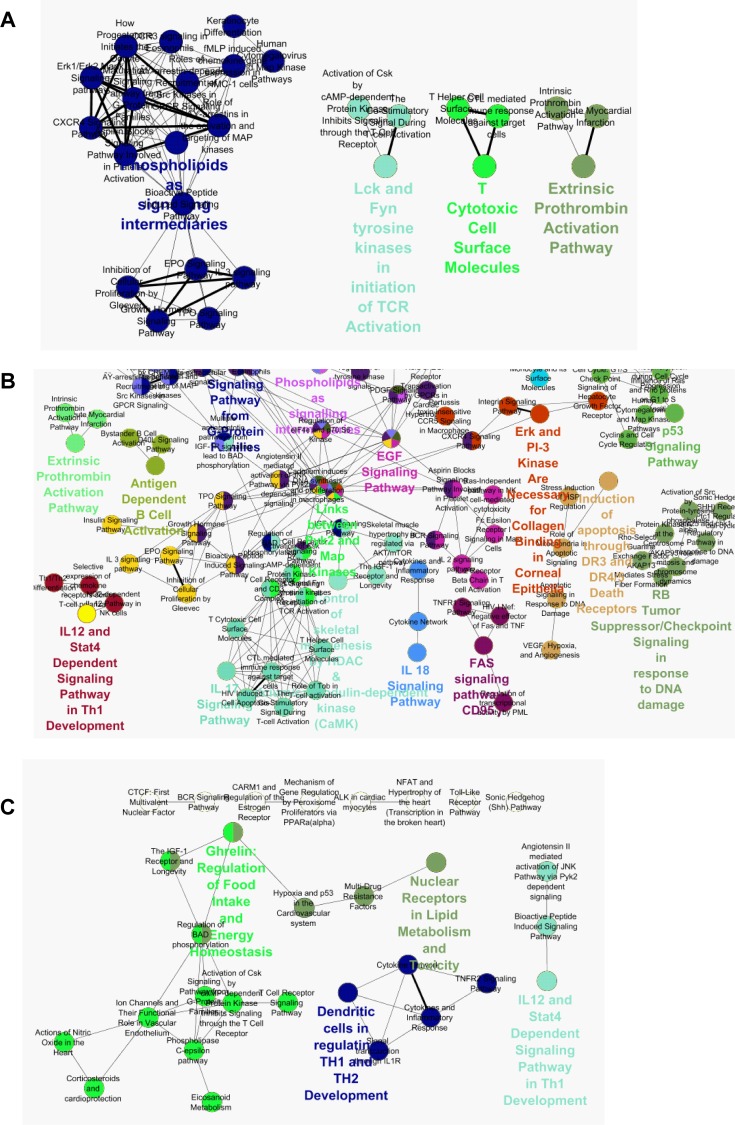
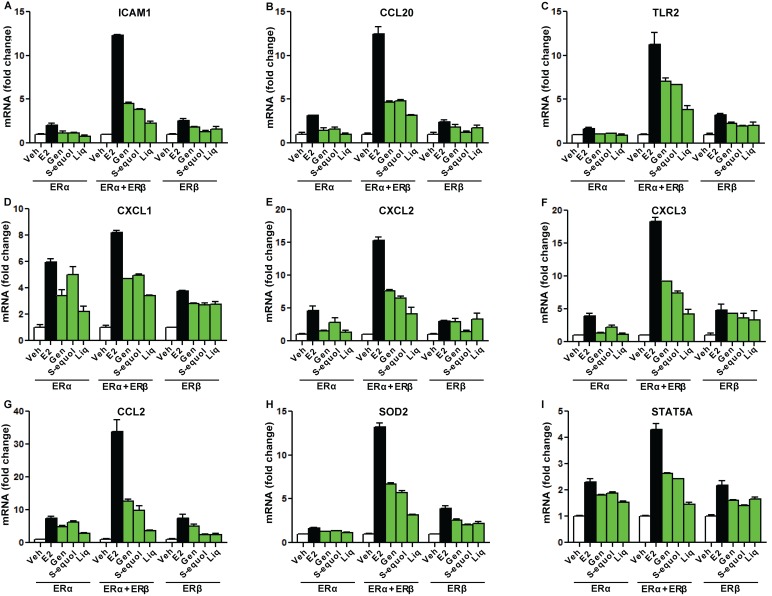
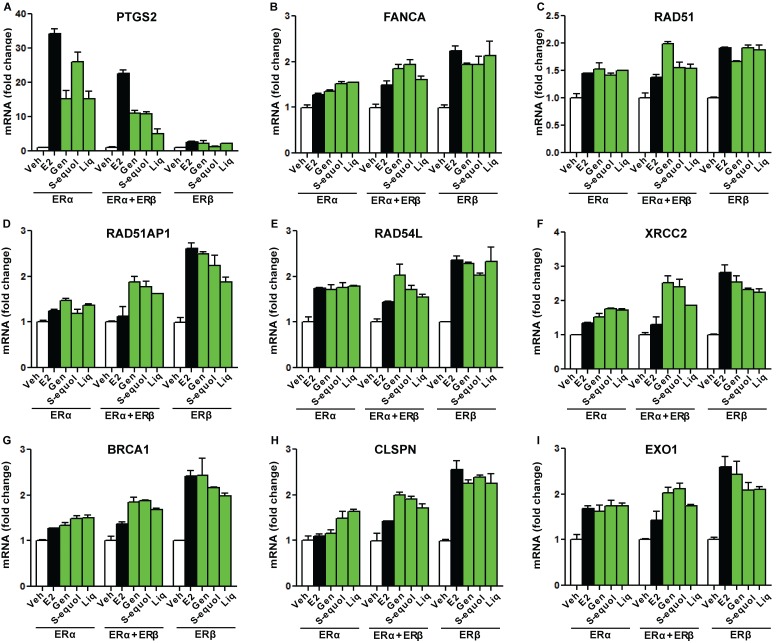
The estrogen receptors (ERs) ERα and ERβ mediate the actions of endogenous estrogens as well as those of botanical estrogens (BEs) present in plants. BEs are ingested in the diet and also widely consumed by postmenopausal women as dietary supplements, often as a substitute for the loss of endogenous estrogens at menopause. However, their activities and efficacies, and similarities and differences in gene expression programs with respect to endogenous estrogens such as estradiol (E2) are not fully understood. Because gene expression patterns underlie and control the broad physiological effects of estrogens, we have investigated and compared the gene networks that are regulated by different BEs and by E2. Our aim was to determine if the soy and licorice BEs control similar or different gene expression programs and to compare their gene regulations with that of E2. Gene expression was examined by RNA-Seq in human breast cancer (MCF7) cells treated with control vehicle, BE or E2. These cells contained three different complements of ERs, ERα only, ERα+ERβ, or ERβ only, reflecting the different ratios of these two receptors in different human breast cancers and in different estrogen target cells. Using principal component, hierarchical clustering, and gene ontology and interactome analyses, we found that BEs regulated many of the same genes as did E2. The genes regulated by each BE, however, were somewhat different from one another, with some genes being regulated uniquely by each compound. The overlap with E2 in regulated genes was greatest for the soy isoflavones genistein and S-equol, while the greatest difference from E2 in gene expression pattern was observed for the licorice root BE liquiritigenin. The gene expression pattern of each ligand depended greatly on the cell background of ERs present. Despite similarities in gene expression pattern with E2, the BEs were generally less stimulatory of genes promoting proliferation and were more pro-apoptotic in their gene regulations than E2. The distinctive patterns of gene regulation by the individual BEs and E2 may underlie differences in the activities of these soy and licorice-derived BEs in estrogen target cells containing different levels of the two ERs.
雌激素受体(ERs)ERα和ERβ介导内源性雌激素以及植物中存在的植物雌激素(BEs)的作用。BEs通过饮食摄入,绝经后女性也广泛将其作为膳食补充剂食用,常作为绝经时内源性雌激素丧失的替代品。然而,它们的活性和功效,以及与雌二醇(E2)等内源性雌激素在基因表达程序方面的异同尚未完全明确。由于基因表达模式是雌激素广泛生理效应的基础并对其起控制作用,我们研究并比较了由不同BEs和E2调控的基因网络。我们的目的是确定大豆和甘草BEs是否控制相似或不同的基因表达程序,并将它们的基因调控与E2的进行比较。在用对照载体、BE或E2处理的人乳腺癌(MCF7)细胞中,通过RNA测序检测基因表达。这些细胞含有三种不同的ERs组合,即仅ERα、ERα + ERβ或仅ERβ,反映了这两种受体在不同人乳腺癌和不同雌激素靶细胞中的不同比例。通过主成分分析、层次聚类分析以及基因本体和相互作用组分析,我们发现BEs调控的许多基因与E2相同。然而,每种BE调控的基因彼此之间存在一些差异,有些基因仅由每种化合物独特调控。大豆异黄酮染料木黄酮和S - 雌马酚在调控基因方面与E2的重叠最大,而甘草根BE甘草素在基因表达模式上与E2的差异最大。每种配体的基因表达模式在很大程度上取决于所存在的ERs的细胞背景。尽管与E2在基因表达模式上有相似之处,但BEs通常对促进增殖的基因刺激作用较小,并且在基因调控方面比E2更具促凋亡作用。单个BEs和E2独特的基因调控模式可能是这些源自大豆和甘草的BEs在含有不同水平两种ERs的雌激素靶细胞中活性存在差异的基础。