Wang Jian, Li Fengqi, Wei Haiming, Lian Zhe-Xiong, Sun Rui, Tian Zhigang
Institute of Immunology and CAS Key Laboratory of Innate Immunity and Chronic Disease, School of Life Sciences and Medical Center, University of Science and Technology of China, Hefei, Anhui 230027, China.
Institute of Immunology and CAS Key Laboratory of Innate Immunity and Chronic Disease, School of Life Sciences and Medical Center, University of Science and Technology of China, Hefei, Anhui 230027, China Hefei National Laboratory for Physical Sciences at Microscale, Hefei, Anhui 230027, China.
J Exp Med. 2014 Nov 17;211(12):2397-410. doi: 10.1084/jem.20140625. Epub 2014 Nov 3.
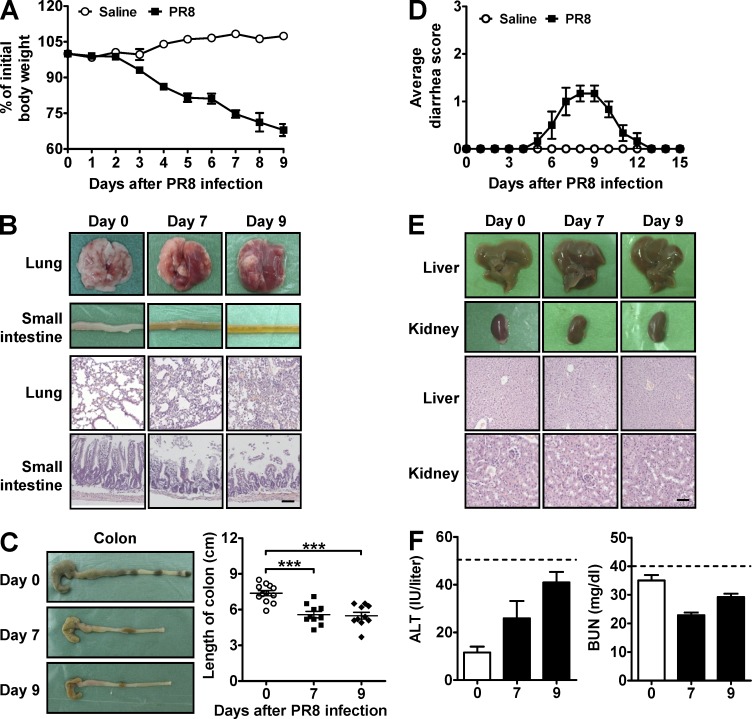
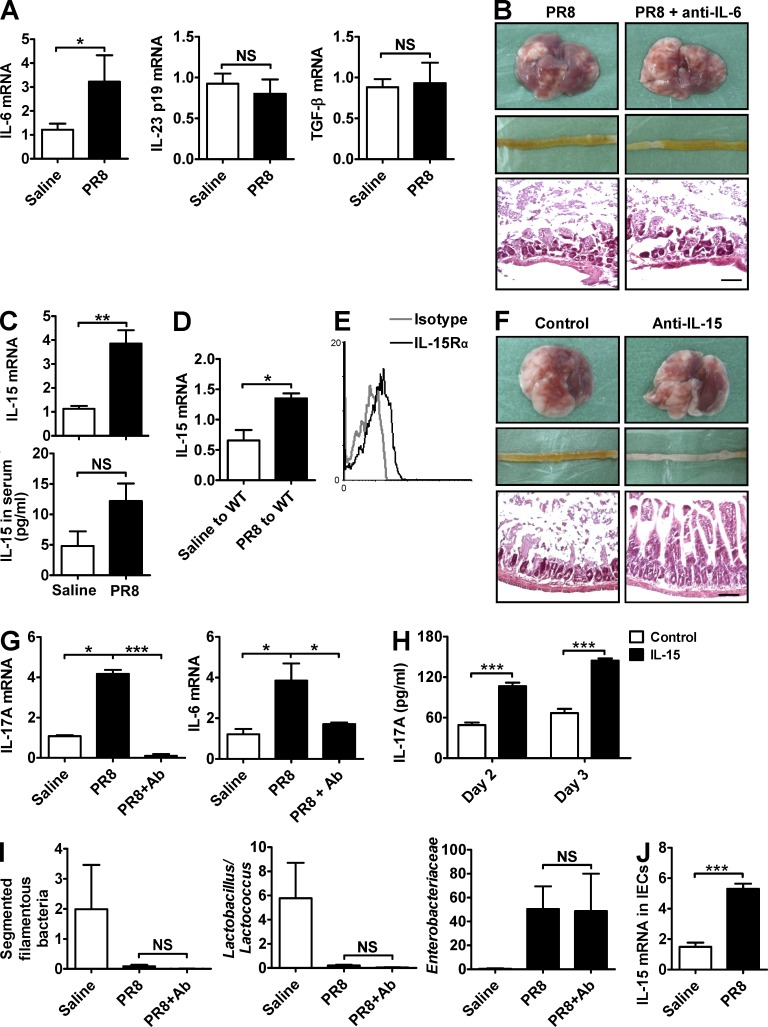
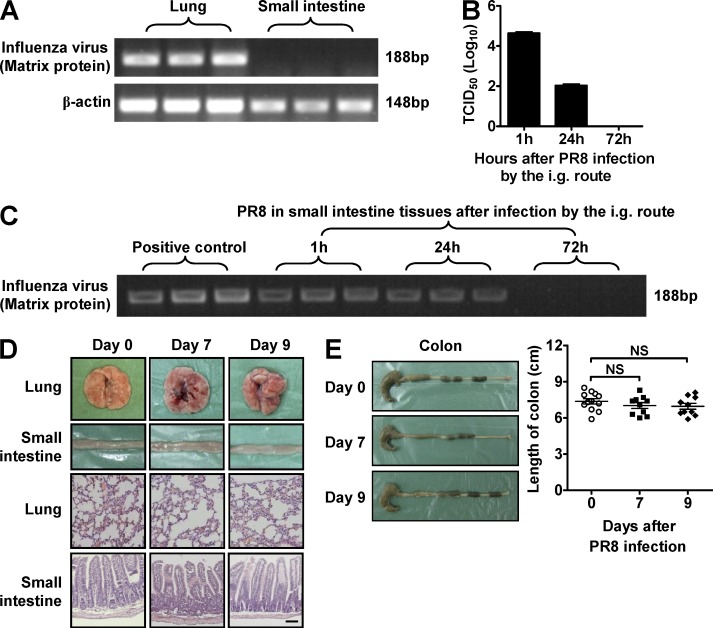
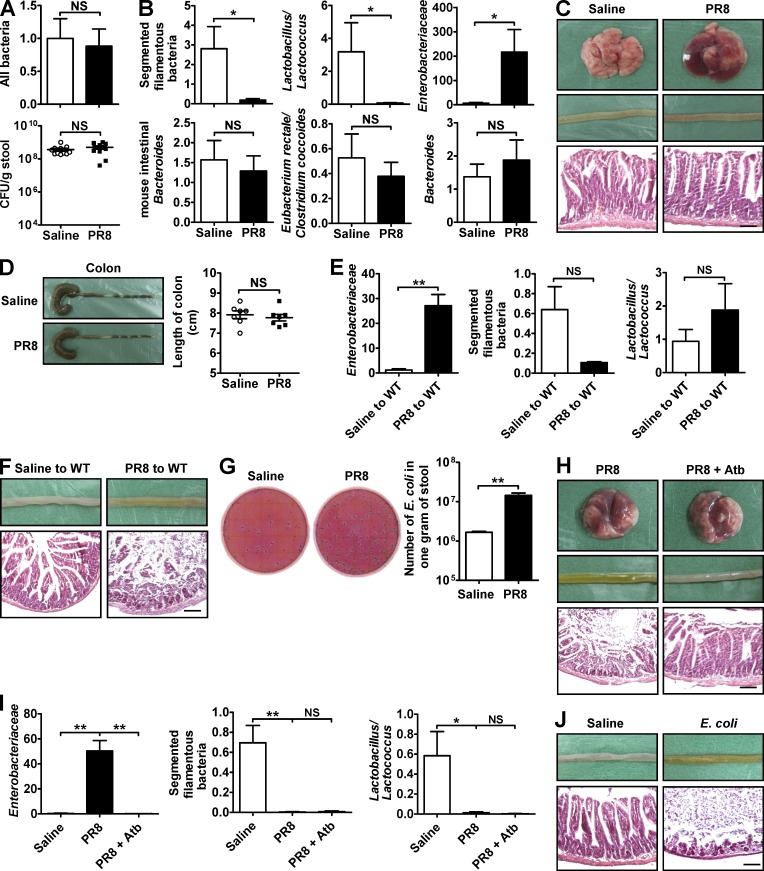
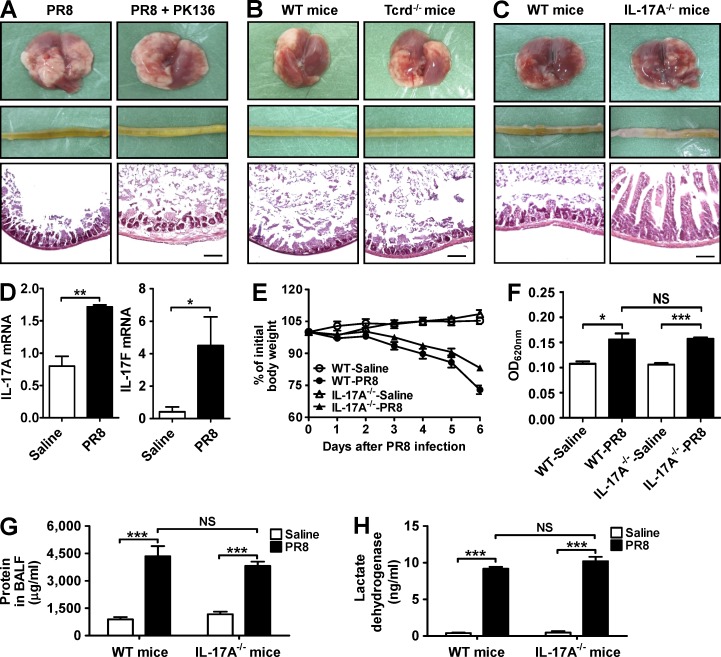
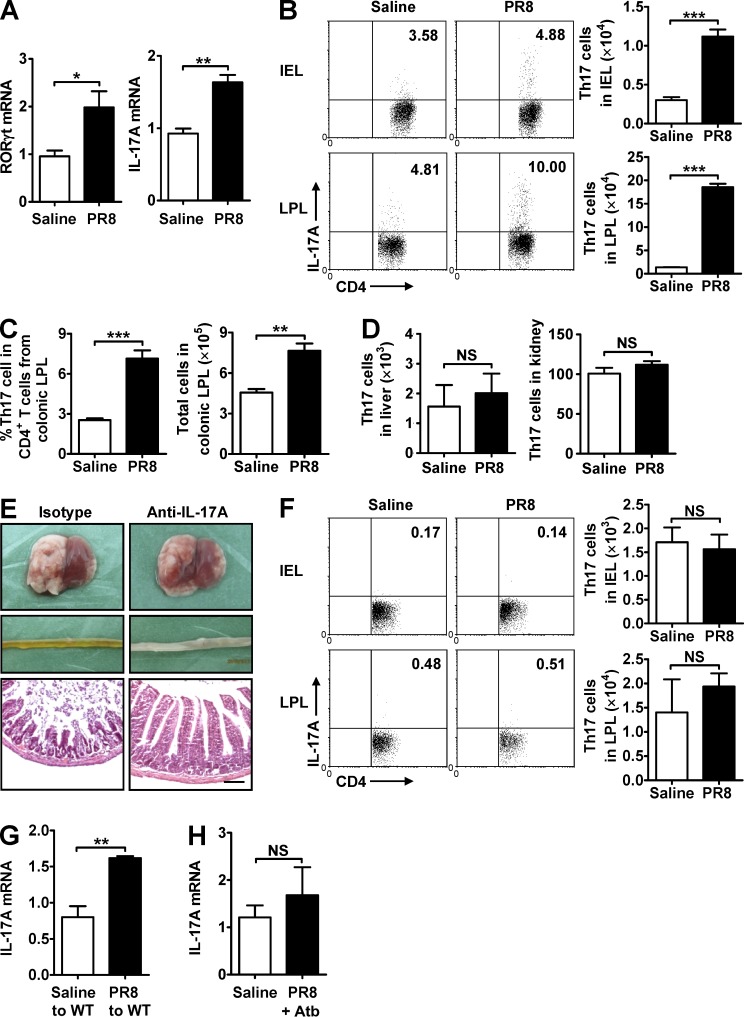
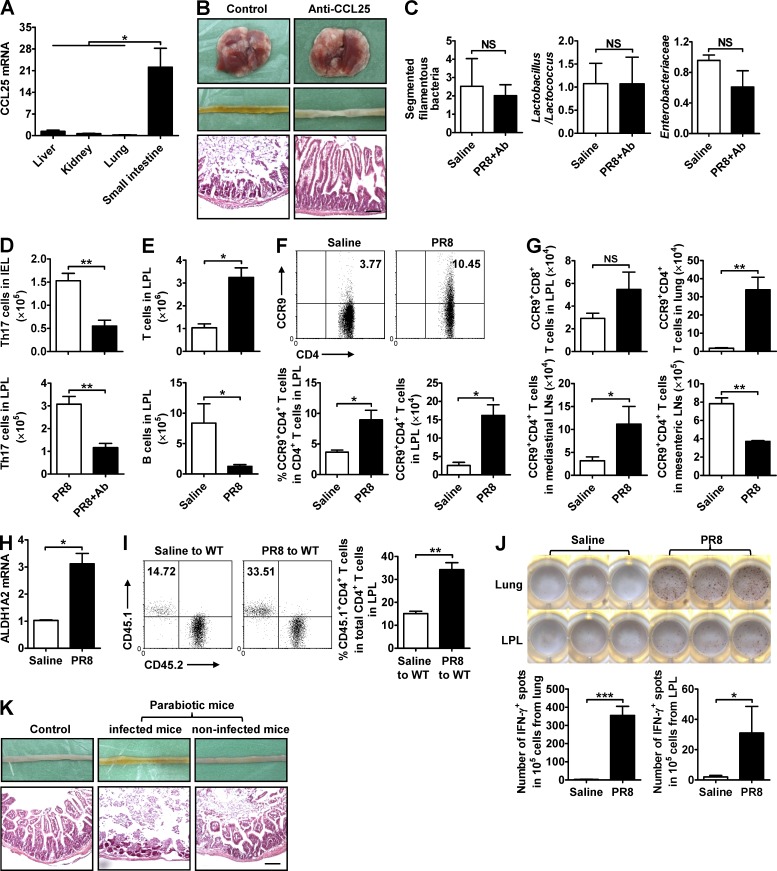
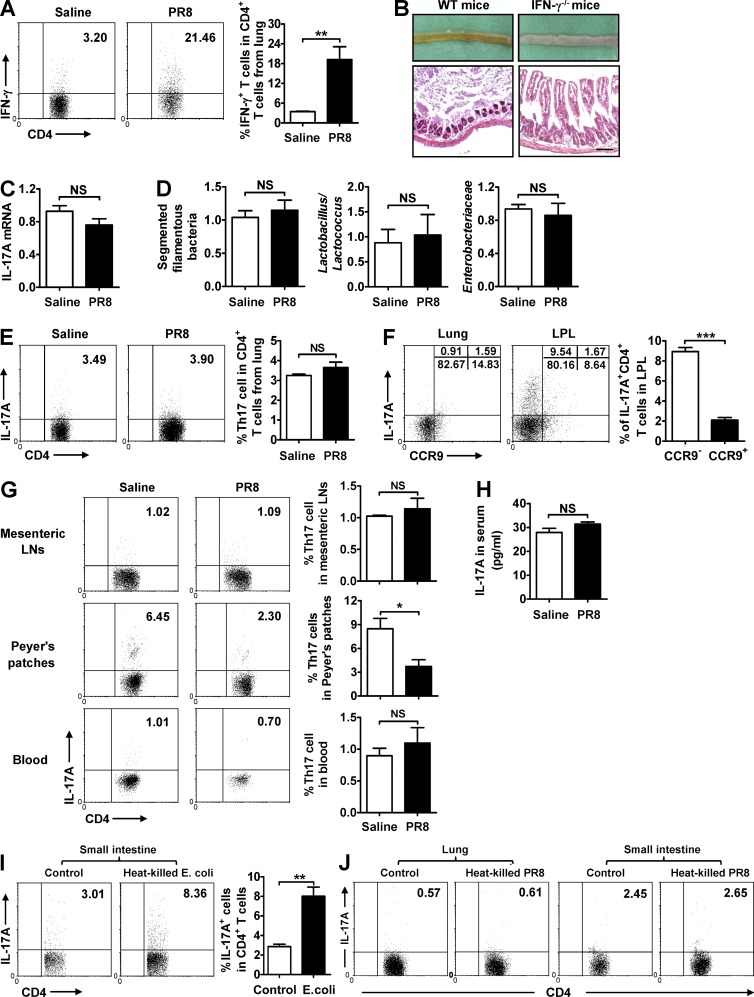
Influenza in humans is often accompanied by gastroenteritis-like symptoms such as diarrhea, but the underlying mechanism is not yet understood. We explored the occurrence of gastroenteritis-like symptoms using a mouse model of respiratory influenza infection. We found that respiratory influenza infection caused intestinal injury when lung injury occurred, which was not due to direct intestinal viral infection. Influenza infection altered the intestinal microbiota composition, which was mediated by IFN-γ produced by lung-derived CCR9(+)CD4(+) T cells recruited into the small intestine. Th17 cells markedly increased in the small intestine after PR8 infection, and neutralizing IL-17A reduced intestinal injury. Moreover, antibiotic depletion of intestinal microbiota reduced IL-17A production and attenuated influenza-caused intestinal injury. Further study showed that the alteration of intestinal microbiota significantly stimulated IL-15 production from intestinal epithelial cells, which subsequently promoted Th17 cell polarization in the small intestine in situ. Thus, our findings provide new insights into an undescribed mechanism by which respiratory influenza infection causes intestinal disease.
人类流感常伴有腹泻等类似肠胃炎的症状,但其潜在机制尚不清楚。我们使用呼吸道流感感染小鼠模型探究了类似肠胃炎症状的发生情况。我们发现,呼吸道流感感染在肺部损伤发生时会导致肠道损伤,这并非由于肠道直接受到病毒感染。流感感染改变了肠道微生物群组成,这是由招募到小肠的肺源性CCR9(+)CD4(+) T细胞产生的IFN-γ介导的。PR8感染后,小肠中的Th17细胞显著增加,中和IL-17A可减轻肠道损伤。此外,肠道微生物群的抗生素清除减少了IL-17A的产生,并减轻了流感引起的肠道损伤。进一步研究表明,肠道微生物群的改变显著刺激了肠道上皮细胞产生IL-15,随后促进了小肠原位Th17细胞极化。因此,我们的研究结果为呼吸道流感感染导致肠道疾病的一种未描述机制提供了新见解。