Yasawy Mohammed I, Al-Quorain Abdulaziz A, Hussameddin Anas M, Yasawy Zakia M, Al-Sulaiman Raid M
Department of Internal Medicine, King Fahd Hospital of the University, Al-Khobar, Kingdom of Saudi Arabia.
J Family Community Med. 2014 Sep;21(3):196-9. doi: 10.4103/2230-8229.142977.
The obesity epidemic, which is among the most common nutritional disorders, is rising rapidly worldwide. It leads to several health problems such as metabolic disorders, stroke, and even cancer. Efforts to control obesity with exercise and diet have a limited value in obese patients and different approaches to do this have been tried. In this paper, we share our experience with bioenteric intragastric balloon (BIB) in treating obesity: Its safety, tolerability, and its efficacy in weight reduction.
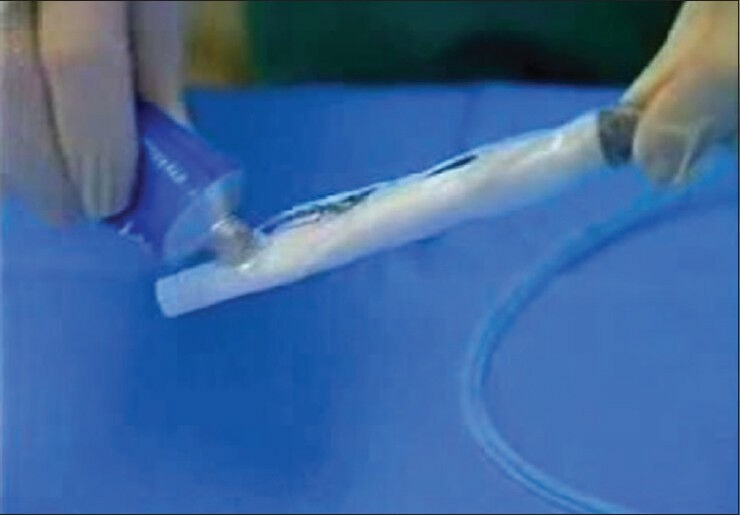
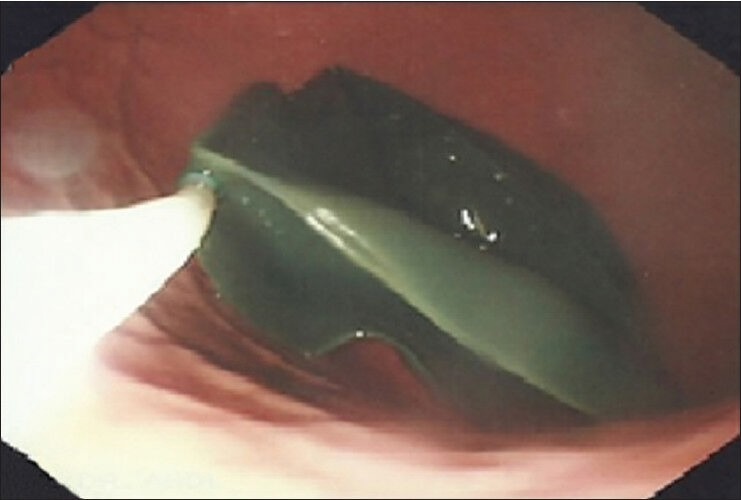
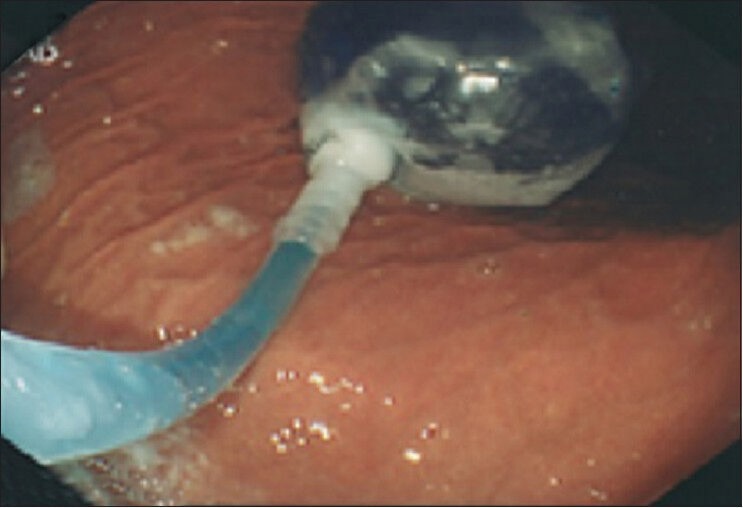
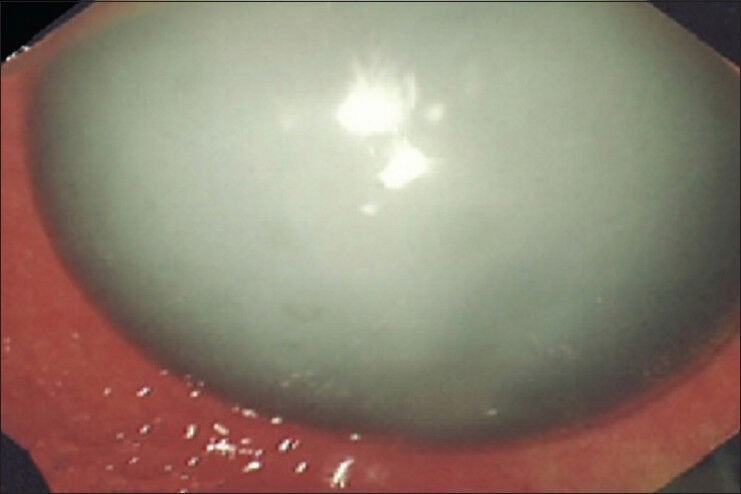
From January 2009 to September 2012, a total of 190 gastric balloons was inserted on patients at the endoscopy unit in King Fahd Hospital of the University, Al-Khobar. This is an evaluation of the first 100 patients. All the patients had a body mass index of over 30 kg/m(2) and were within the age range of 17-55 with a mean age of 32 years. After consent, preballoon investigation tests and anesthesia evaluation, BIB was inserted under monitored anesthesia care sedation in the endoscopy suite. The balloon was filled with 500-700 mls of stained saline. All patients' were given an analgesic and antiemetic for a week and antisecretory proton pump inhibitor's for 6 months. Diet and the importance of the exercise were part of the preballoon insertion phase and protocol. The balloon was removed after 6-12 months.
The weight loss response to BIB in the 100 patients are classified into four groups: In the uncooperative, noncompliant patients - the maximum weight loss was 7 kg, while in the most compliant patients the weight loss reached up to 39 kg. In addition, there was significant improvement into diabetes mellitus, hypertension, dyslipidemia, and fatty liveras. Its safety and tolerability were extremely acceptable.
Our data indicates that in well-selected patients, BIB is an effective device, which with minimum complications helps to achieve body weight loss and resolve many obesity related morbidities in cooperative and dedicated obese patients.
肥胖症是最常见的营养失调疾病之一,在全球范围内迅速蔓延。它会引发多种健康问题,如代谢紊乱、中风甚至癌症。通过运动和饮食控制肥胖对肥胖患者的效果有限,人们尝试了各种不同的方法。在本文中,我们分享使用生物肠溶胃内球囊(BIB)治疗肥胖症的经验:其安全性、耐受性以及减肥效果。
2009年1月至2012年9月,在胡拜尔法赫德国王大学医院内镜科,共为患者插入了190个胃内球囊。本文对首批100例患者进行评估。所有患者体重指数均超过30kg/m²,年龄在17至55岁之间,平均年龄32岁。在获得患者同意、进行球囊置入前检查测试和麻醉评估后,在内镜室监护麻醉护理镇静下插入BIB。球囊填充500 - 700毫升染色盐水。所有患者均接受一周的止痛和止吐治疗以及6个月的质子泵抑制剂抗分泌治疗。饮食和运动的重要性是球囊置入前阶段和方案的一部分。6至12个月后取出球囊。
100例患者对BIB的减肥反应分为四组:不合作、不依从的患者最大体重减轻7kg,而最依从的患者体重减轻达39kg。此外,糖尿病、高血压、血脂异常和脂肪肝均有明显改善。其安全性和耐受性非常良好。
我们的数据表明,对于精心挑选的患者,BIB是一种有效的器械,在合作且专注的肥胖患者中,它并发症最少,有助于减轻体重并解决许多与肥胖相关的疾病。