Ramos Irma N, Ramos Kenneth S, Boerner Aisa, He Qiang, Tavera-Garcia Marco A
Departments of Environmental and Occupational Health Sciences, School of Public Health and Information Sciences, University of Louisville, USA ; Center for Environmental Genomics and Integrative Biology, University of Louisville, USA.
Biochemistry and Molecular Biology, School of Medicine, University of Louisville, USA ; Center for Environmental Genomics and Integrative Biology, University of Louisville, USA.
J Community Med Health Educ. 2013 Nov 16;3(7). doi: 10.4172/2161-0711.1000250.
This investigation was conducted to evaluate the impact of culturally-tailored education on health knowledge among Hispanic residents of rural, Shelbyville, KY.
The program identified specific pathways to address health literacy deficits and disparities identified through a community-wide health assessment completed in 2010.
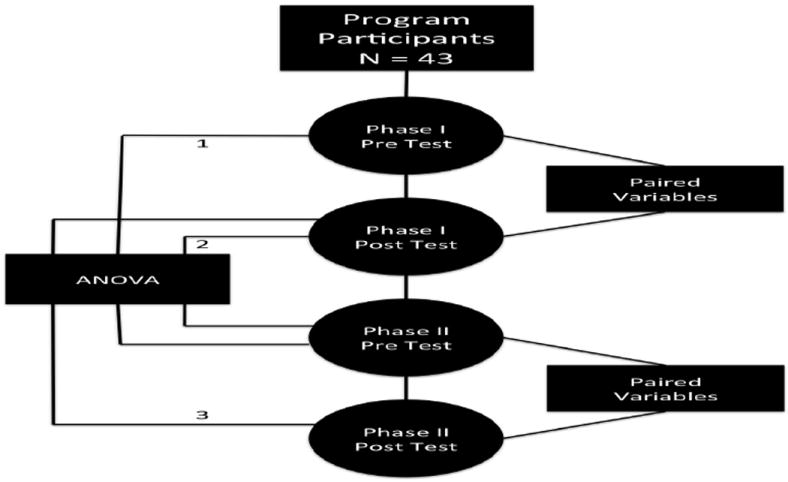
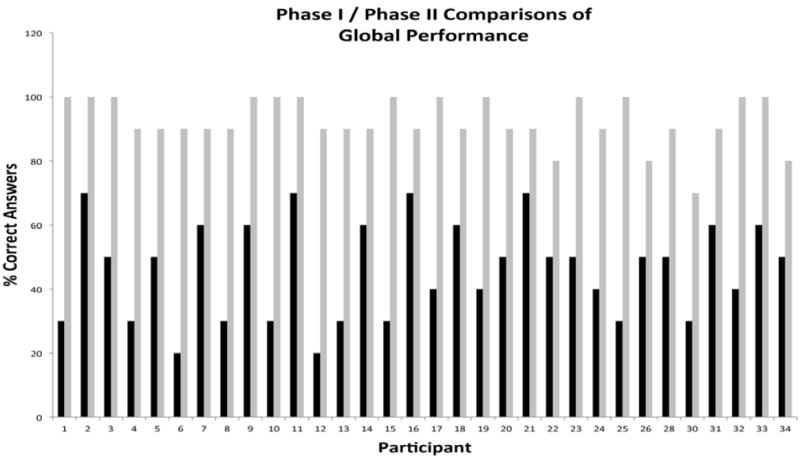
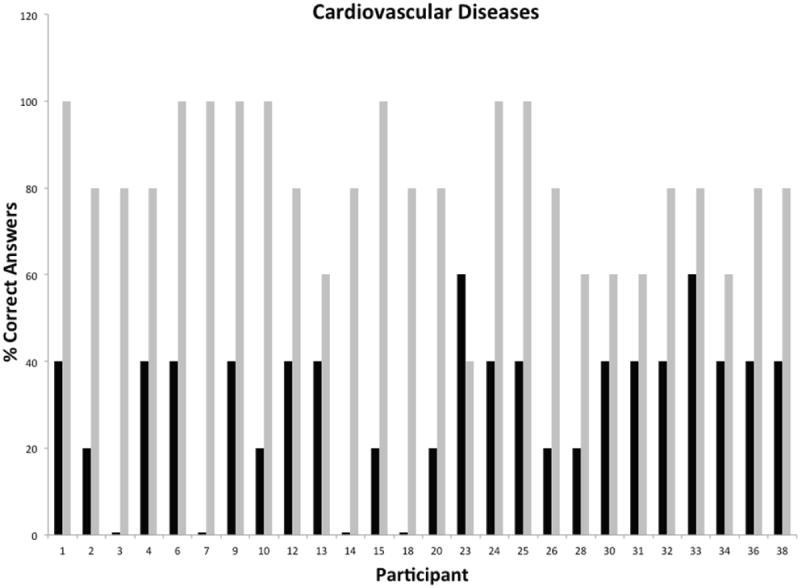
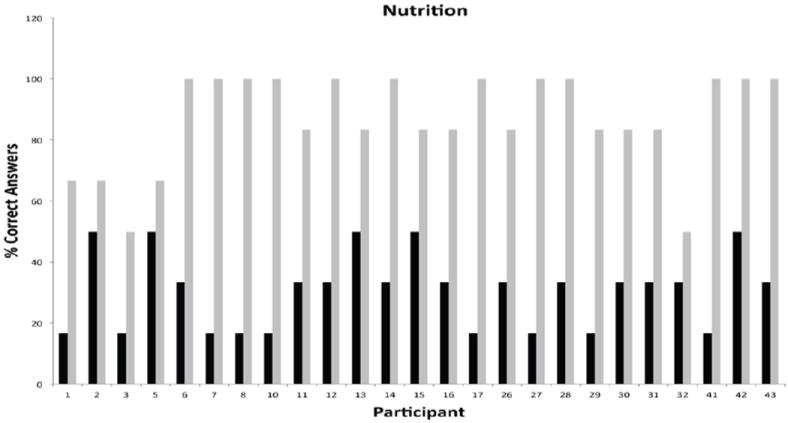
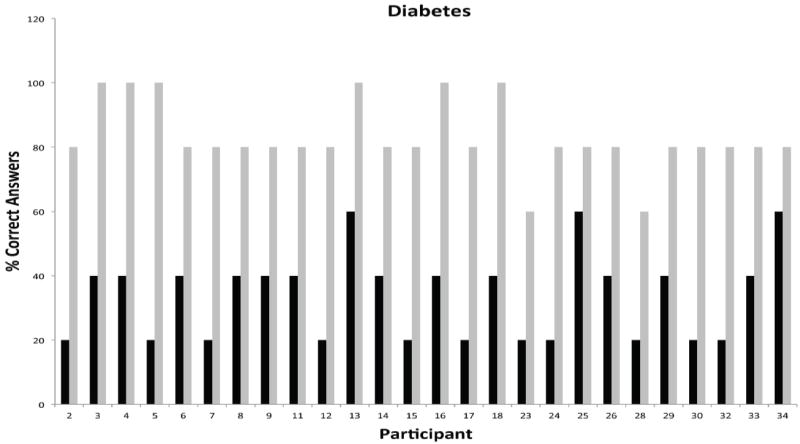
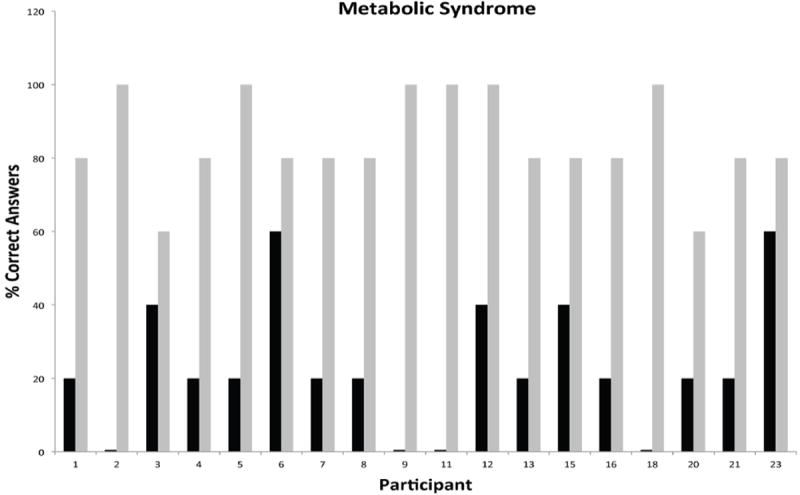
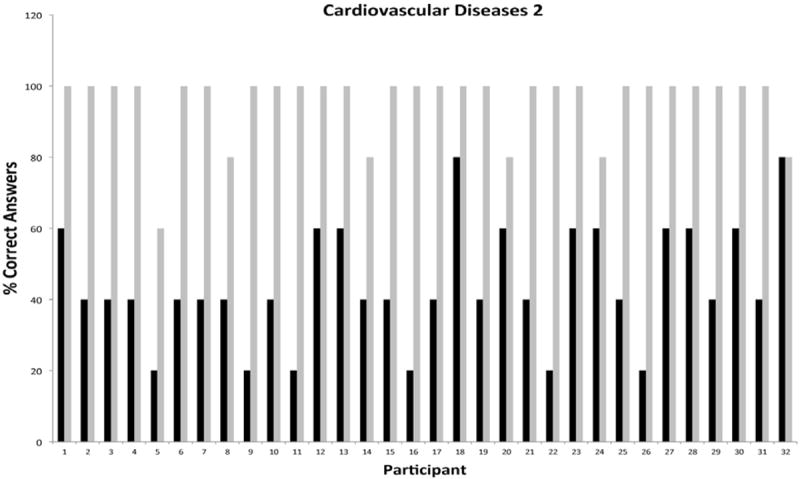
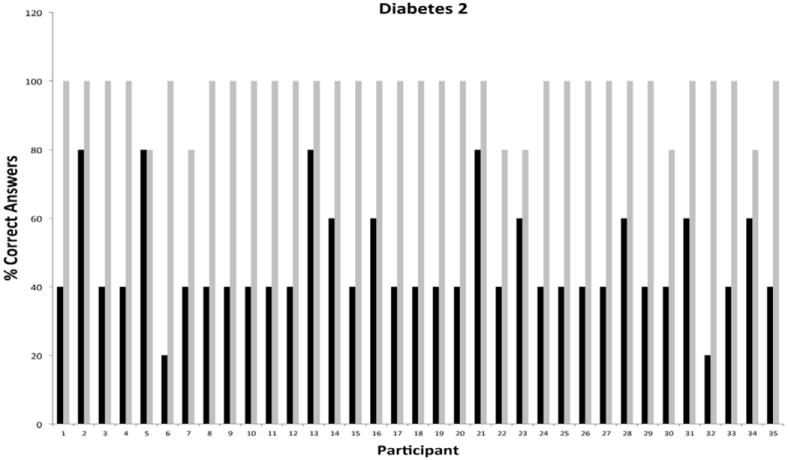
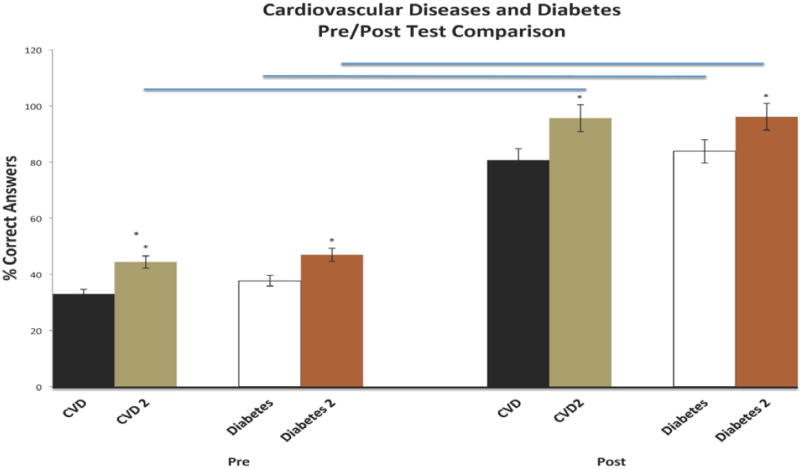
A total of 43 Hispanic males who shared deficiencies in community-wide health infrastructure were enrolled in the program. The curriculum included an introductory session followed by five, subject-specific, sessions offered on a weekly basis from February to April 2011. Pre/post-test assessments showed marked improvement in knowledge base for all participants after each session, most notably related to cardiovascular disease, diabetes and metabolic syndrome. The group reconvened in January 2012 for follow-up instruction on cardiovascular disease and diabetes, as well as global assessment of knowledge retention over a nine-month period. Comparisons of pre/post testing in cardiovascular disease and diabetes, as well as global health-related knowledge showed significant gains for all parameters.
Health education programs that embrace perceptions of the community of their own health, and that integrate knowledge into culturally-sensitive education, significantly improved health knowledge among Hispanic residents in rural Kentucky. Such gains may translate into sustainable improvements in health literacy and help reduce health disparities.
开展此项调查以评估文化适应性教育对肯塔基州谢尔比维尔农村地区西班牙裔居民健康知识的影响。
该项目确定了具体途径,以解决通过2010年完成的全社区健康评估所发现的健康素养不足和差异问题。
共有43名在全社区健康基础设施方面存在缺陷的西班牙裔男性参与了该项目。课程包括一次介绍性会议,随后在2011年2月至4月期间每周提供五节针对特定主题的课程。前后测试评估显示,每次课程结束后,所有参与者的知识库都有显著改善,最明显的是与心血管疾病、糖尿病和代谢综合征相关的知识。该小组于2012年1月再次召集,接受关于心血管疾病和糖尿病的后续指导,以及对九个月期间知识保留情况的全面评估。心血管疾病和糖尿病的前后测试以及全球健康相关知识的比较显示,所有参数都有显著提高。
考虑到社区自身健康观念并将知识融入文化敏感型教育的健康教育项目,显著提高了肯塔基州农村地区西班牙裔居民的健康知识。这些收获可能转化为健康素养的可持续提高,并有助于减少健康差异。