Denoth-Lippuner Annina, Krzyzanowski Marek Konrad, Stober Catherine, Barral Yves
Institute of Biochemistry, Department of Biology, ETH Zürich, Zürich, Switzerland.
Elife. 2014 Nov 17;3:e03790. doi: 10.7554/eLife.03790.
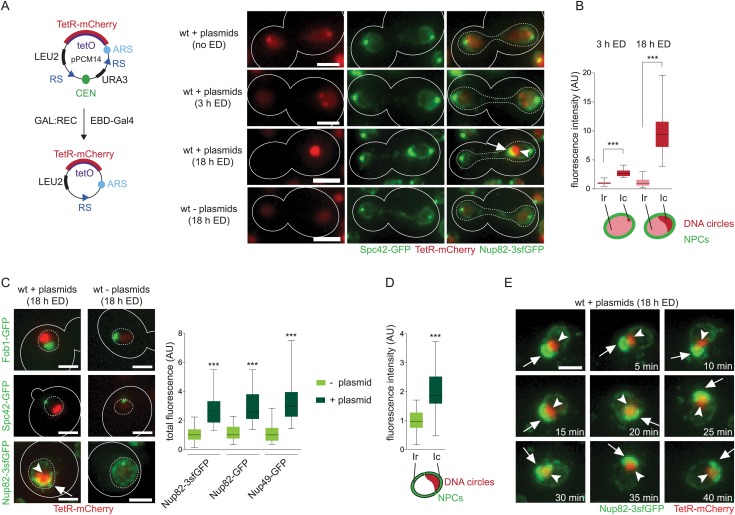
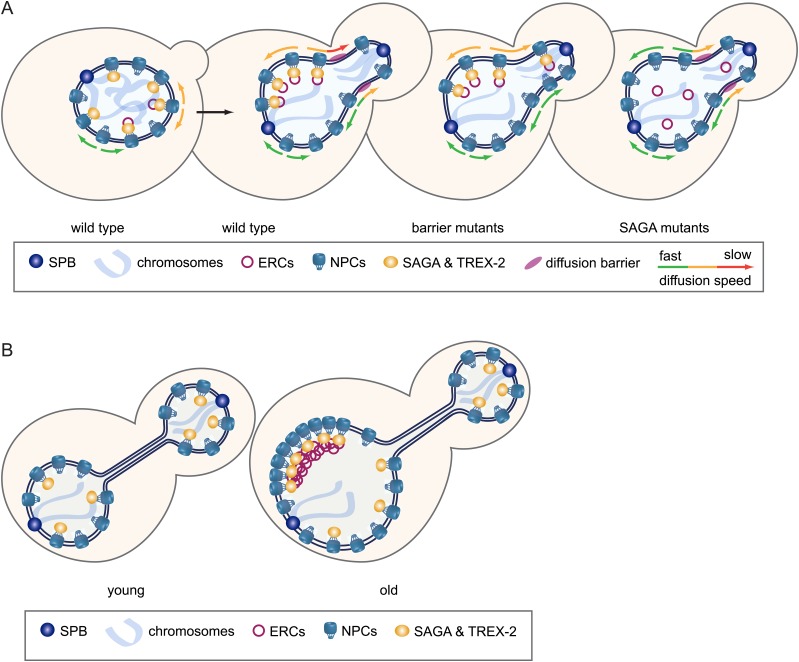
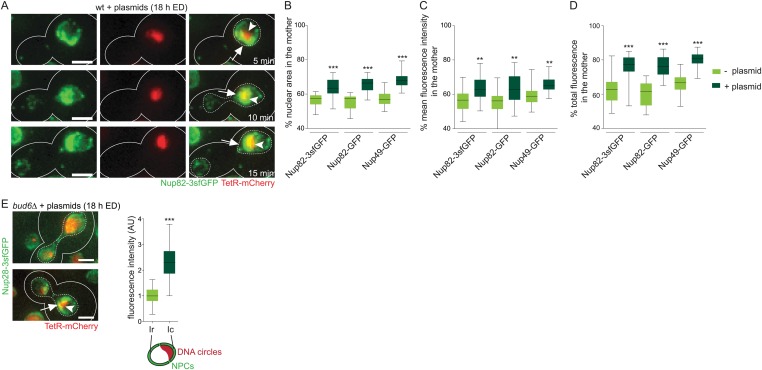
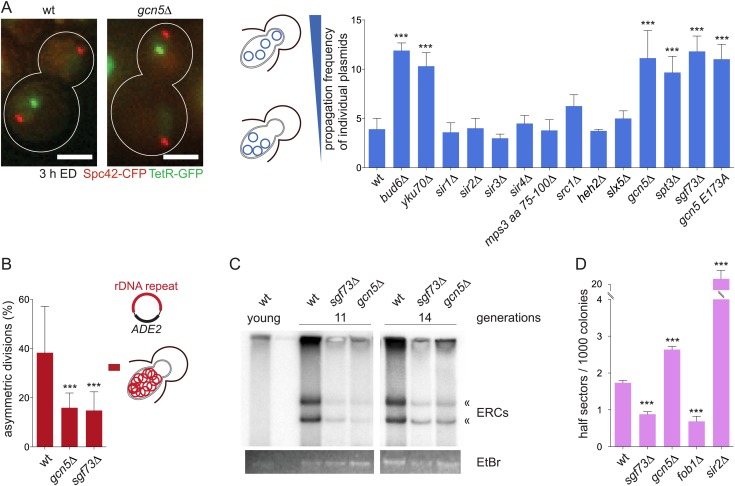
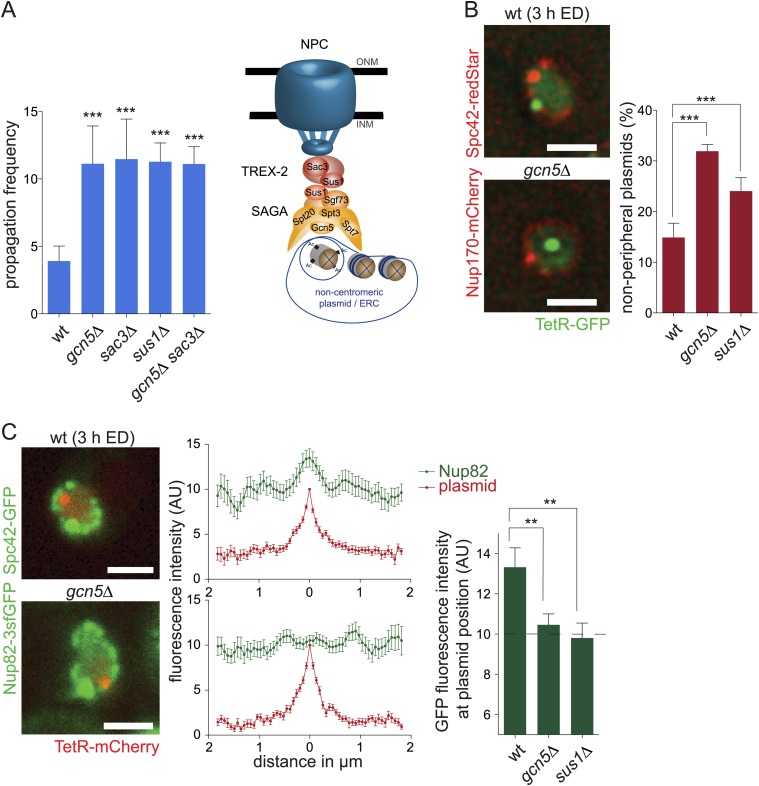
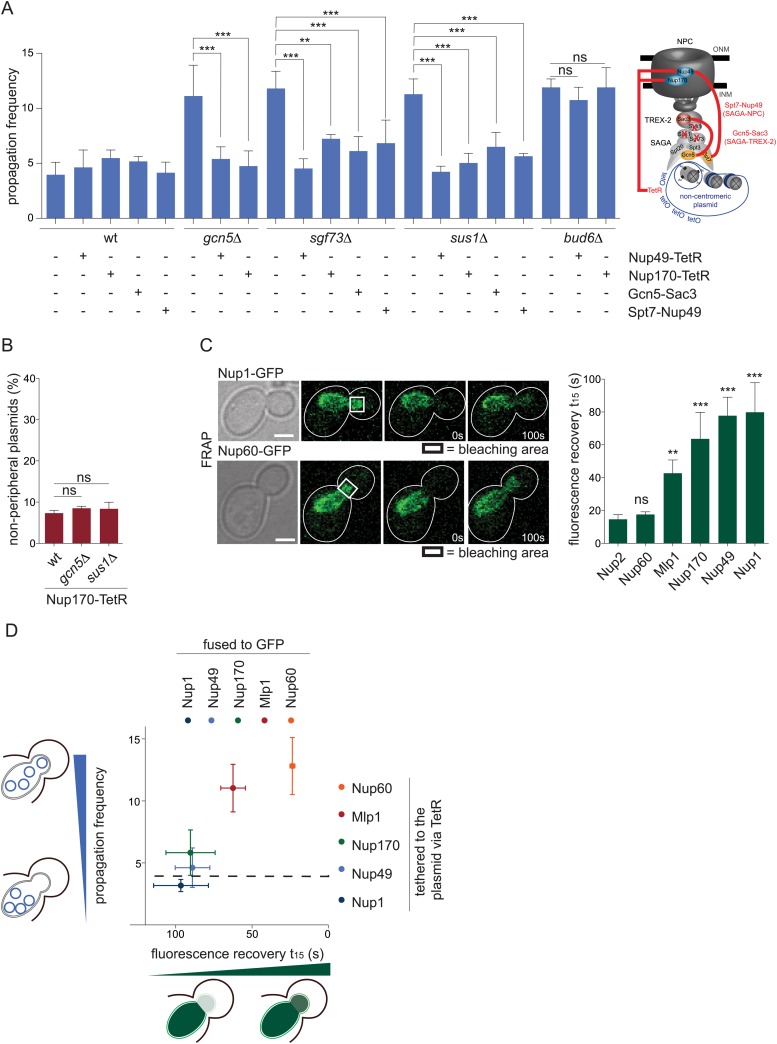
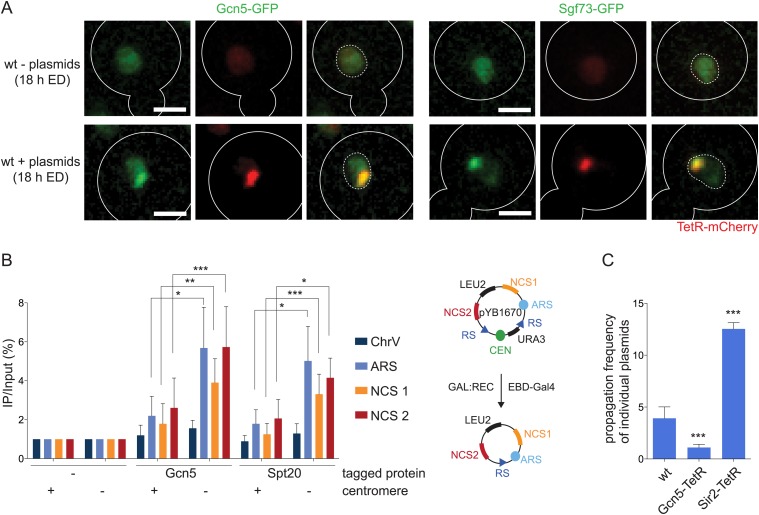
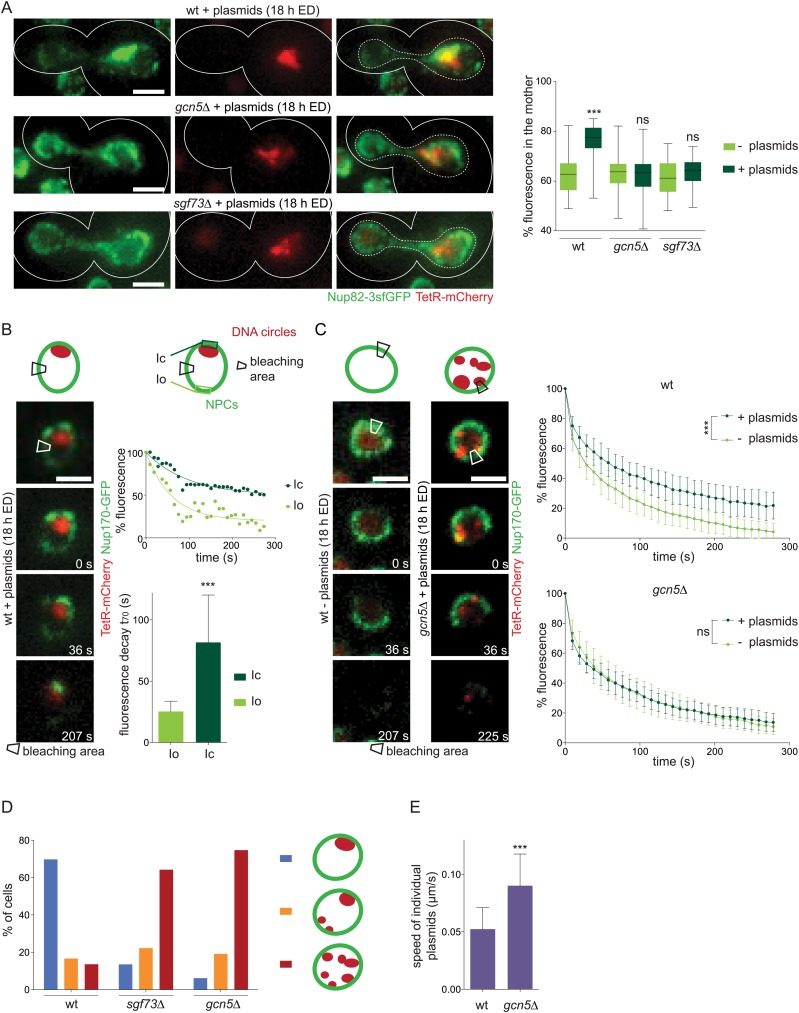
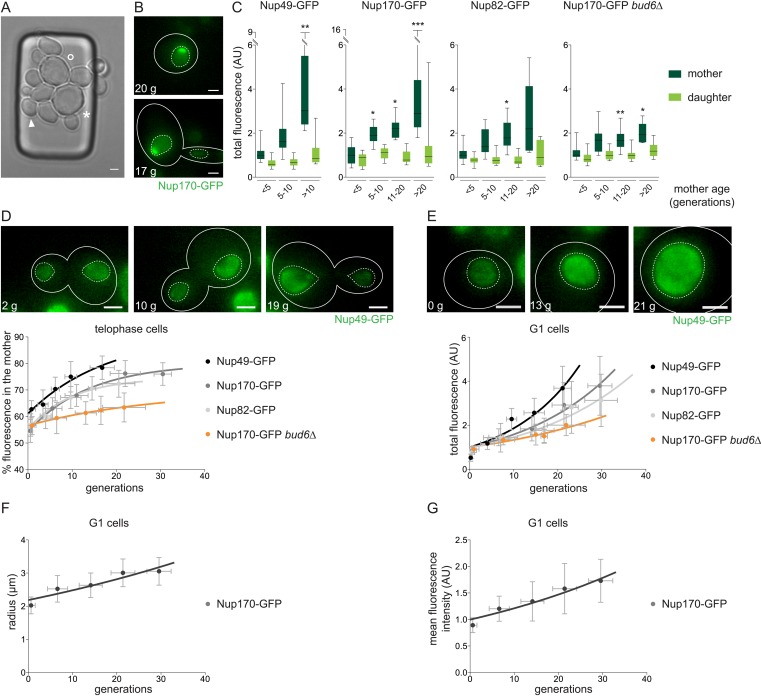
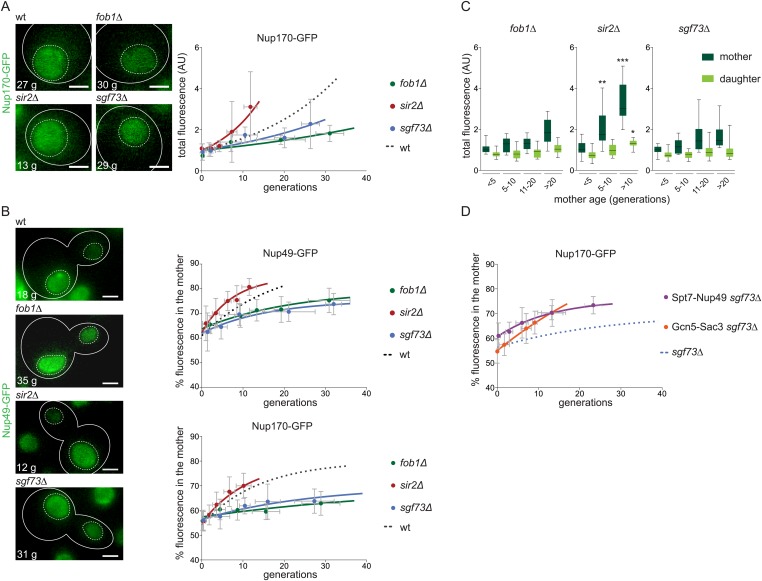
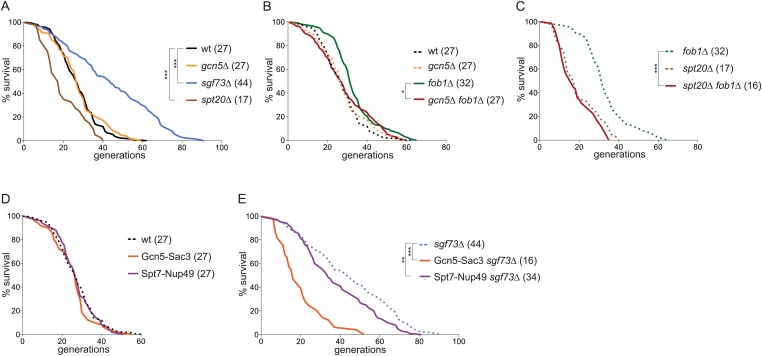
In eukaryotes, intra-chromosomal recombination generates DNA circles, but little is known about how cells react to them. In yeast, partitioning of such circles to the mother cell at mitosis ensures their loss from the population but promotes replicative ageing. Nevertheless, the mechanisms of partitioning are debated. In this study, we show that the SAGA complex mediates the interaction of non-chromosomal DNA circles with nuclear pore complexes (NPCs) and thereby promotes their confinement in the mother cell. Reciprocally, this causes retention and accumulation of NPCs, which affects the organization of ageing nuclei. Thus, SAGA prevents the spreading of DNA circles by linking them to NPCs, but unavoidably causes accumulation of circles and NPCs in the mother cell, and thereby promotes ageing. Together, our data provide a unifying model for the asymmetric segregation of DNA circles and how age affects nuclear organization.
在真核生物中,染色体内重组会产生DNA环,但对于细胞如何对它们做出反应却知之甚少。在酵母中,此类环在有丝分裂时向母细胞的分配确保了它们从群体中丢失,但会促进复制性衰老。然而,分配机制仍存在争议。在本研究中,我们表明SAGA复合物介导非染色体DNA环与核孔复合体(NPC)的相互作用,从而促进它们在母细胞中的限制。相反,这会导致NPC的保留和积累,进而影响衰老细胞核的组织。因此,SAGA通过将DNA环与NPC连接来防止其扩散,但不可避免地会导致环和NPC在母细胞中积累,从而促进衰老。总之,我们的数据为DNA环的不对称分离以及衰老如何影响细胞核组织提供了一个统一的模型。