Lasda Erika, Parker Roy
Department of Chemistry and Biochemistry, Howard Hughes Medical Institute, University of Colorado, Boulder, Colorado 80309, USA.
Department of Chemistry and Biochemistry, Howard Hughes Medical Institute, University of Colorado, Boulder, Colorado 80309, USA
RNA. 2014 Dec;20(12):1829-42. doi: 10.1261/rna.047126.114.
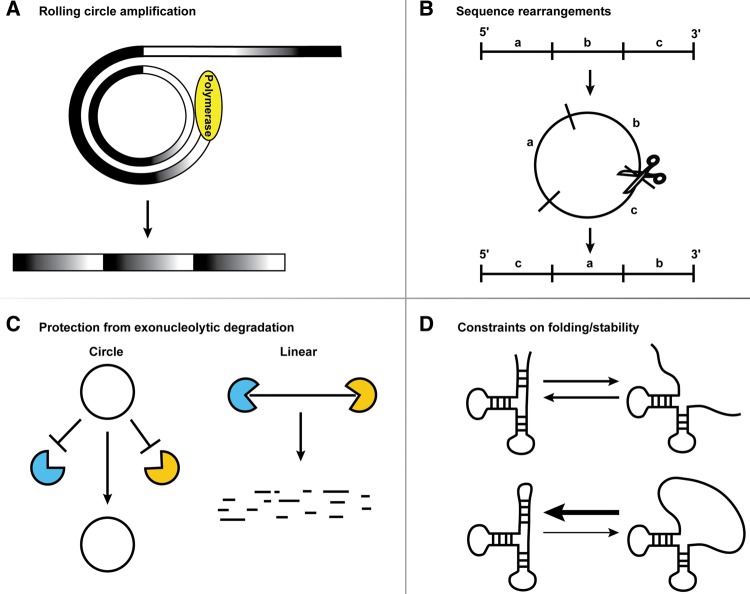
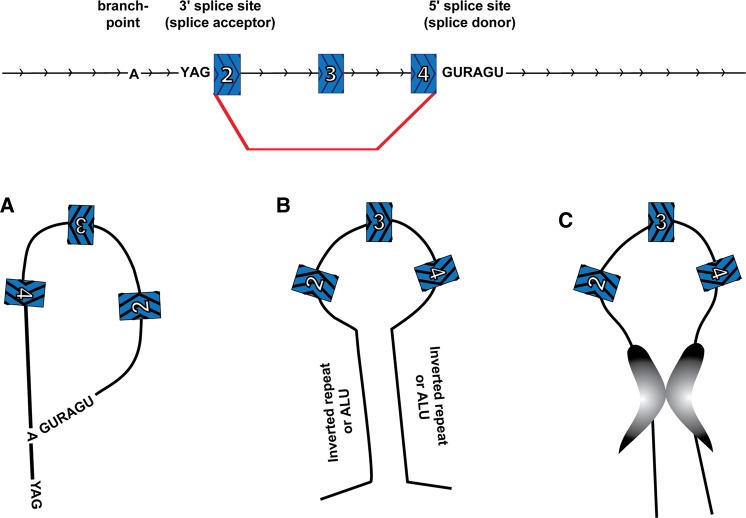
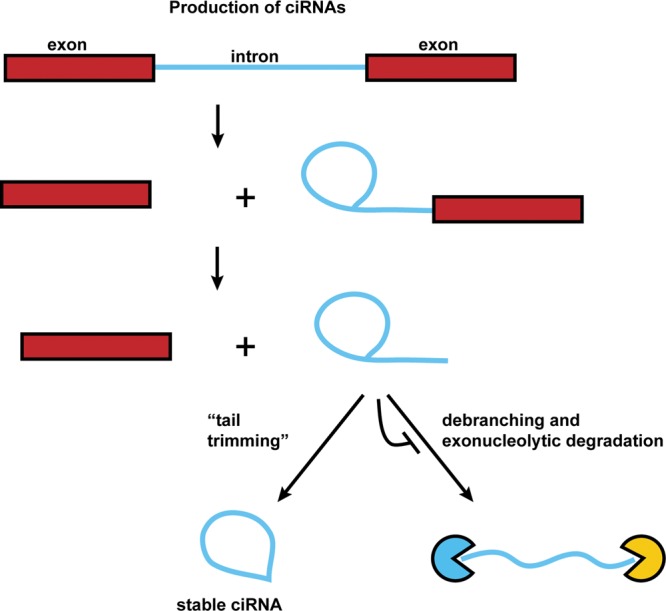
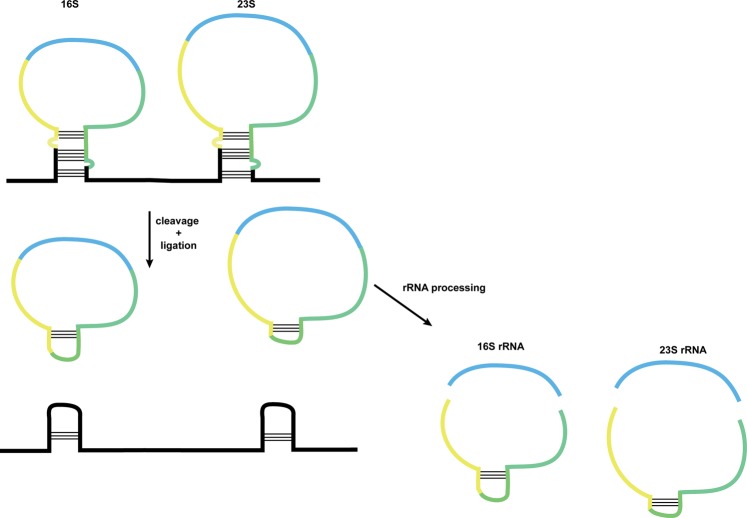
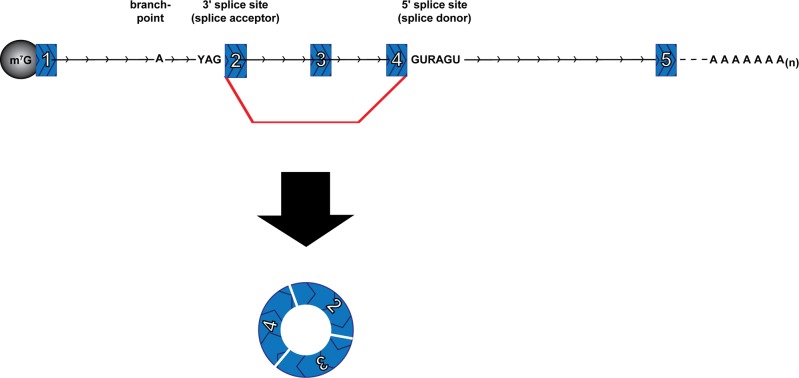
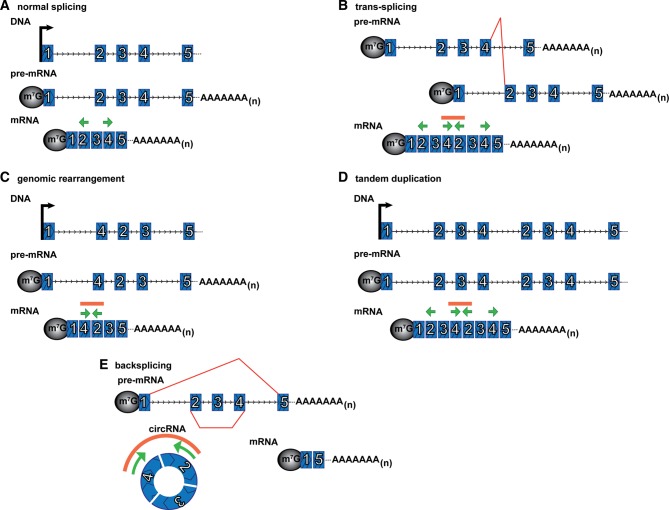
It is now clear that there is a diversity of circular RNAs in biological systems. Circular RNAs can be produced by the direct ligation of 5' and 3' ends of linear RNAs, as intermediates in RNA processing reactions, or by "backsplicing," wherein a downstream 5' splice site (splice donor) is joined to an upstream 3' splice site (splice acceptor). Circular RNAs have unique properties including the potential for rolling circle amplification of RNA, the ability to rearrange the order of genomic information, protection from exonucleases, and constraints on RNA folding. Circular RNAs can function as templates for viroid and viral replication, as intermediates in RNA processing reactions, as regulators of transcription in cis, as snoRNAs, and as miRNA sponges. Herein, we review the breadth of circular RNAs, their biogenesis and metabolism, and their known and anticipated functions.
现在已经清楚,生物系统中存在多种环状RNA。环状RNA可通过线性RNA的5'和3'末端直接连接产生,作为RNA加工反应的中间体,或者通过“反向剪接”产生,即下游的5'剪接位点(剪接供体)与上游的3'剪接位点(剪接受体)连接。环状RNA具有独特的特性,包括RNA滚环扩增的潜力、重排基因组信息顺序的能力、免受核酸外切酶的影响以及对RNA折叠的限制。环状RNA可作为类病毒和病毒复制的模板、RNA加工反应的中间体、顺式转录调节因子、小核仁RNA以及微小RNA海绵。在此,我们综述了环状RNA的广度、其生物发生和代谢以及它们已知和预期的功能。