Pogash Thomas J, El-Bayoumy Karam, Amin Shantu, Gowda Krishne, de Cicco Ricardo López, Barton Maria, Su Yanrong, Russo Irma H, Himmelberger Julie A, Slifker Michael, Manni Andrea, Russo Jose
Breast Cancer Research Laboratory, Fox Chase Cancer Center, 333 Cottman Avenue, Philadelphia, PA, 19111, USA,
In Vitro Cell Dev Biol Anim. 2015 Feb;51(2):121-7. doi: 10.1007/s11626-014-9822-6. Epub 2014 Nov 21.
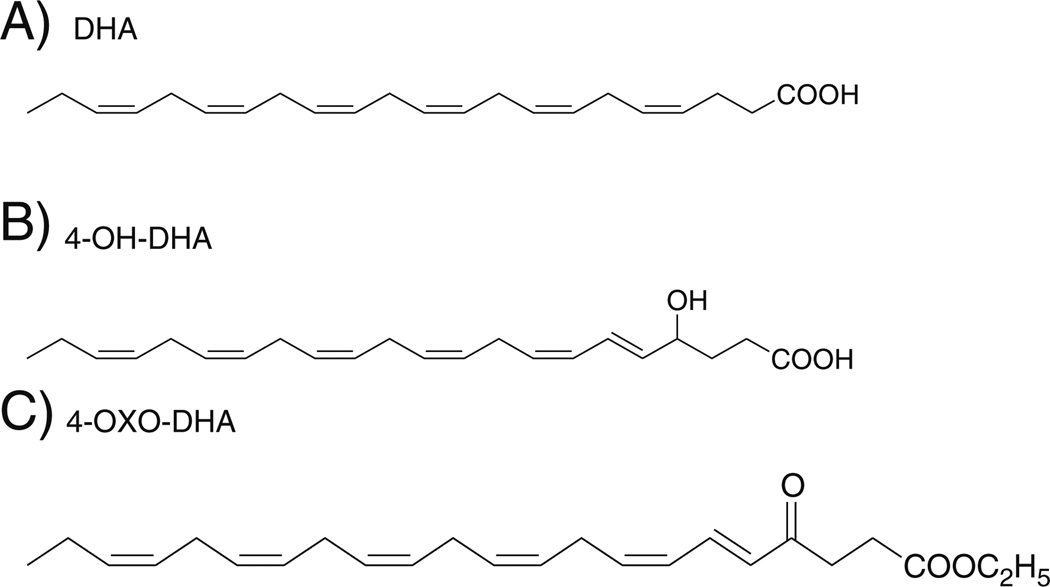
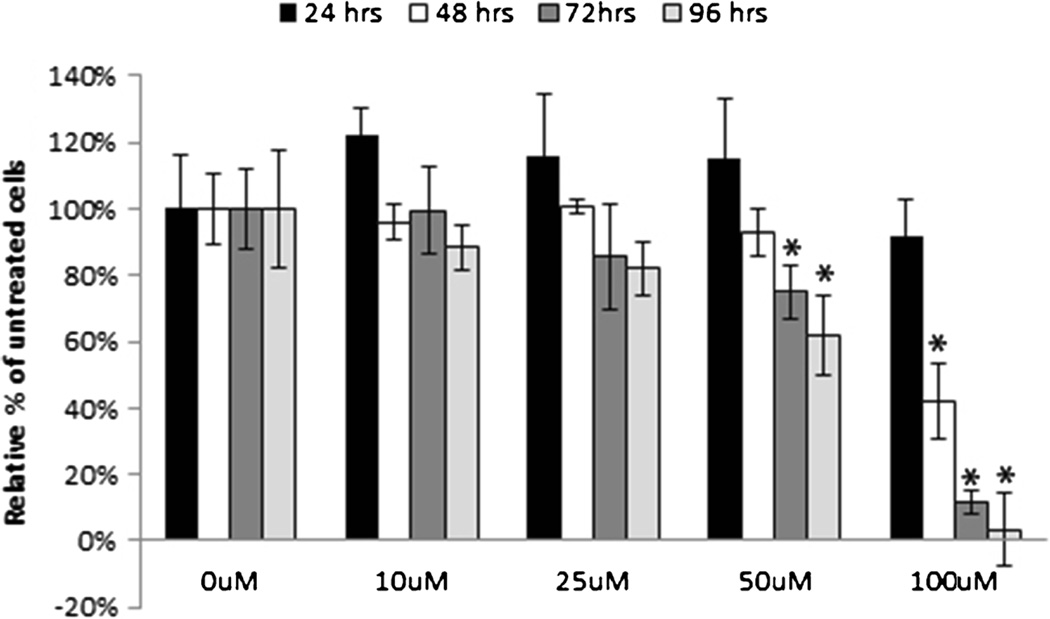
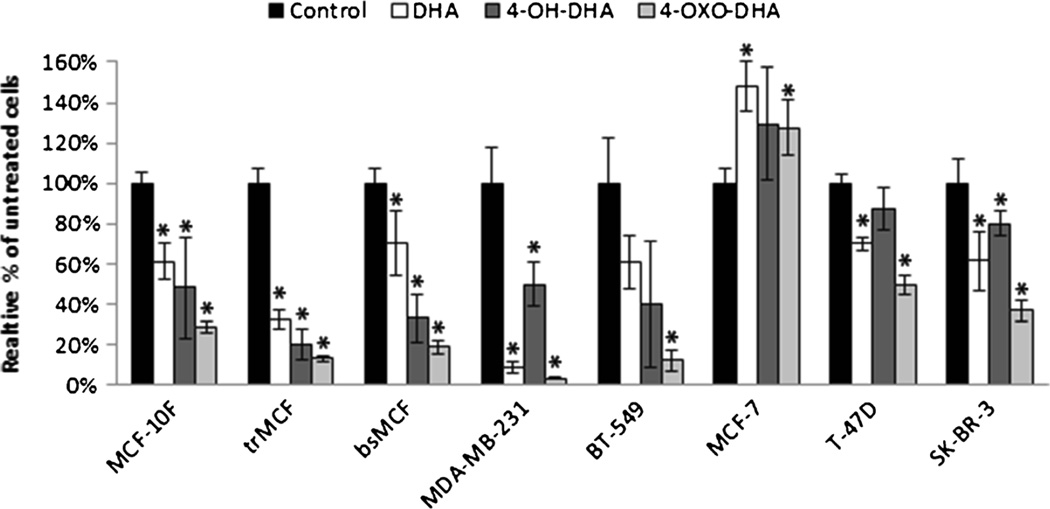
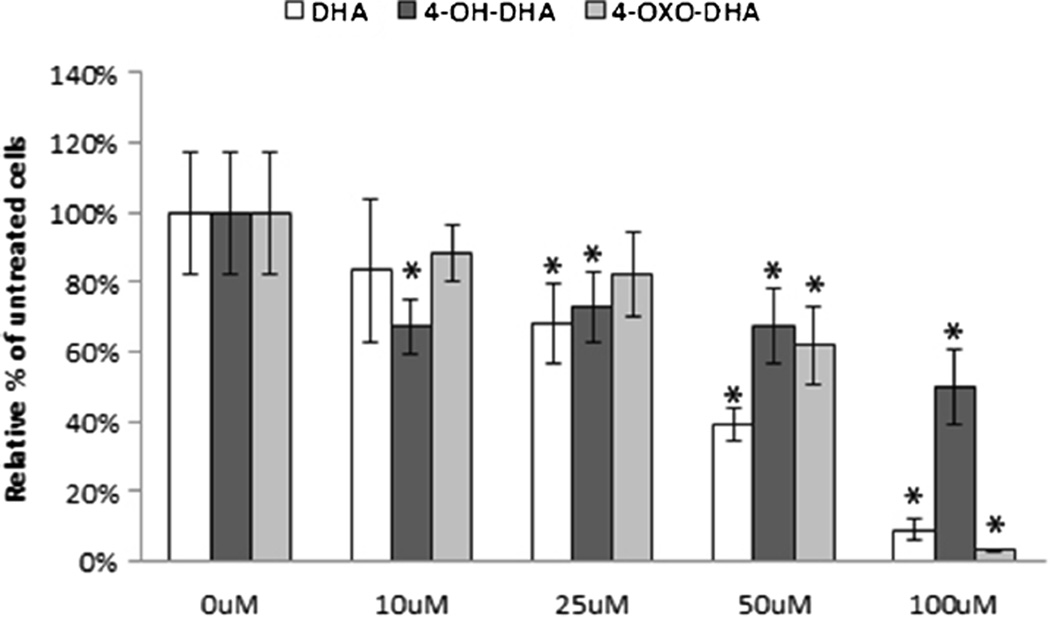
Omega-3 polyunsaturated fatty acids (PUFAs) exert an anticancer effect by affecting multiple cellular mechanisms leading to inhibition of proliferation and induction of apoptosis. It is well known that breast cancer comprises distinct molecular subtypes which differ in their responsiveness to therapeutic and preventive agents. We tested the hypothesis that n-3FA may preferentially affect triple-negative breast cancer cells for which no targeted intervention is presently available. The in vitro antiproliferative effects of n-3 PUFA docosahexaenoic acid (DHA) and its metabolite, 4-OH-DHA as well as its putative metabolite 4-OXO-DHA, were tested in five triple-negative human basal breast cell lines at different stages of transformation (MCF-10F, trMCF, bsMCF, MDA-MB-231, and BT-549) and three luminal breast cancer cell lines (MCF-7, T-47D, and SK-BR-3). Cell proliferation was measured with the tetrazolium MTT (3-(4,5-dimethylthiazolyl-2)-2,5-diphenyltetrazolium bromide) assay. DHA and its oxidized derivatives significantly inhibited cell proliferation (20-90% reduction) of both basal and luminal breast cancer cell lines. The inhibitory effect was more pronounced on triple-negative basal breast cancer cell lines as compared to luminal breast cancer cell lines after 4-OXO-DHA treatment. Our data provide novel information regarding the preferential antitumor effect of oxidized derivatives of DHA on basal type breast cancer.
ω-3多不饱和脂肪酸(PUFAs)通过影响多种细胞机制发挥抗癌作用,这些机制可导致细胞增殖受到抑制并诱导细胞凋亡。众所周知,乳腺癌包含不同的分子亚型,它们对治疗和预防药物的反应各不相同。我们检验了这样一个假设,即n-3脂肪酸可能会优先影响目前尚无靶向干预措施的三阴性乳腺癌细胞。在五个处于不同转化阶段的人三阴性基底乳腺癌细胞系(MCF-10F、trMCF、bsMCF、MDA-MB-231和BT-549)以及三个管腔型乳腺癌细胞系(MCF-7、T-47D和SK-BR-3)中,测试了n-3多不饱和脂肪酸二十二碳六烯酸(DHA)及其代谢产物4-羟基-DHA以及其假定代谢产物4-氧代-DHA的体外抗增殖作用。用四氮唑MTT(3-(4,5-二甲基噻唑-2)-2,5-二苯基四氮唑溴盐)法测量细胞增殖。DHA及其氧化衍生物显著抑制了基底型和管腔型乳腺癌细胞系的细胞增殖(减少20%-90%)。4-氧代-DHA处理后,与管腔型乳腺癌细胞系相比,对三阴性基底乳腺癌细胞系的抑制作用更为明显。我们的数据提供了关于DHA氧化衍生物对基底型乳腺癌的优先抗肿瘤作用的新信息。