Henley Susie M D, Downey Laura E, Nicholas Jennifer M, Kinnunen Kirsi M, Golden Hannah L, Buckley Aisling, Mahoney Colin J, Crutch Sebastian J
Dementia Research Centre, Department of Neurodegenerative Disease, UCL Institute of Neurology, University College London, London WC1N 3BG, United Kingdom; National Hospital for Neurology and Neurosurgery, UCLH NHS Foundation Trust, Queens Square, London WC1N 3BG, United Kingdom.
Dementia Research Centre, Department of Neurodegenerative Disease, UCL Institute of Neurology, University College London, London WC1N 3BG, United Kingdom.
Neuropsychologia. 2014 Dec;65:88-101. doi: 10.1016/j.neuropsychologia.2014.10.009. Epub 2014 Oct 19.
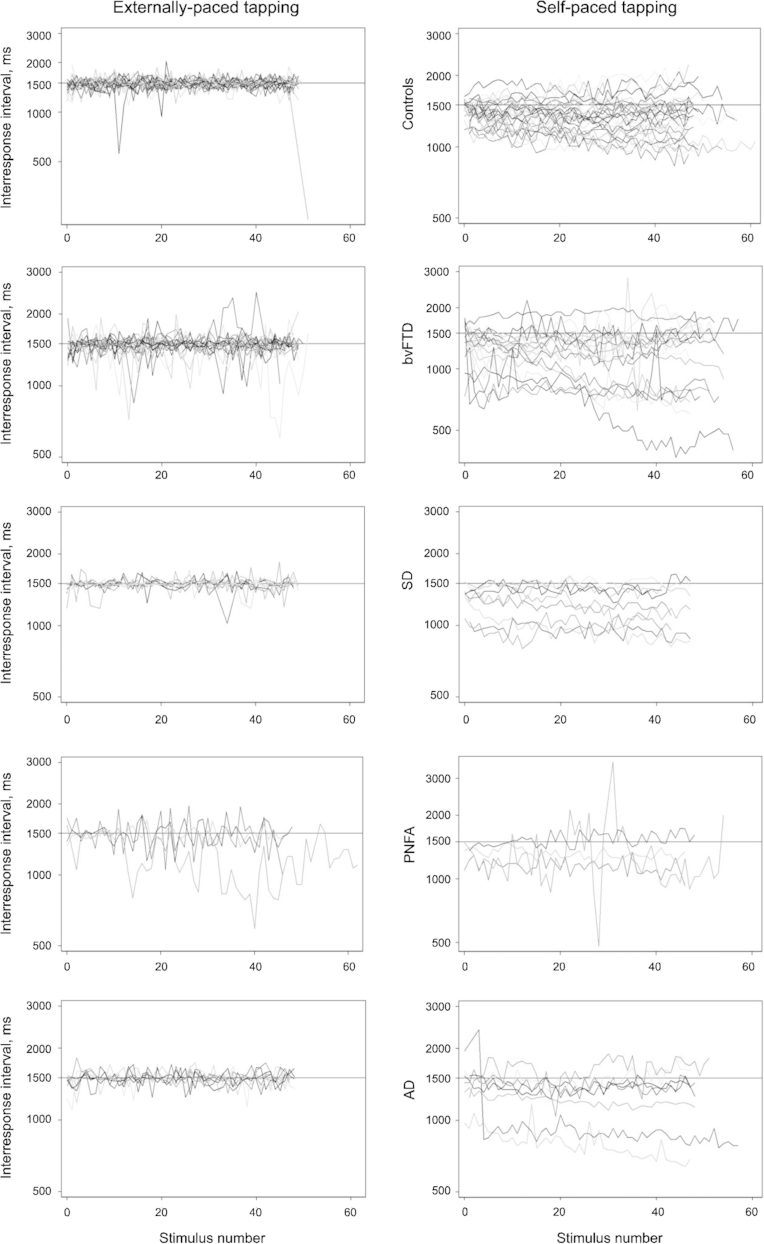
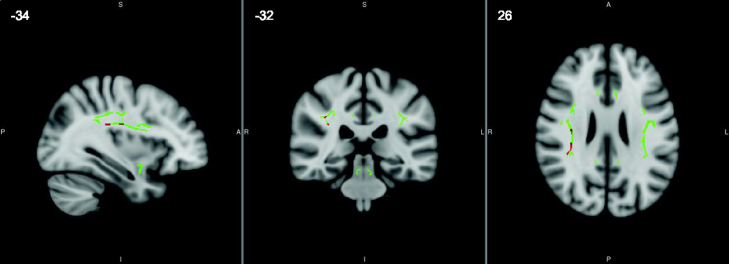
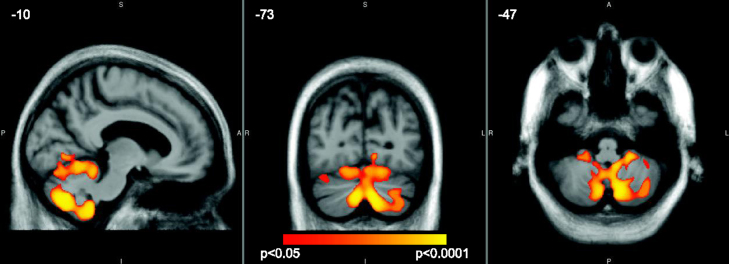
The current study examined motor timing in frontotemporal dementia (FTD), which manifests as progressive deterioration in social, behavioural and cognitive functions. Twenty-patients fulfilling consensus clinical criteria for behavioural variant FTD (bvFTD), 11 patients fulfilling consensus clinical criteria for semantic-variant primary progressive aphasia (svPPA), four patients fulfilling criteria for nonfluent/agrammatic primary progressive aphasia (naPPA), eight patients fulfilling criteria for Alzheimer׳s disease (AD), and 31 controls were assessed on both an externally- and self-paced finger-tapping task requiring maintenance of a regular, 1500 ms beat over 50 taps. Grey and white matter correlates of deficits in motor timing were examined using voxel-based morphometry (VBM) and diffusion tensor imaging (DTI). bvFTD patients exhibited significant deficits in aspects of both externally- and self-paced tapping. Increased mean inter-response interval (faster than target tap time) in the self-paced task was associated with reduced grey matter volume in the cerebellum bilaterally, right middle temporal gyrus, and with increased axial diffusivity in the right superior longitudinal fasciculus, regions and tracts which have been suggested to be involved in a subcortical-cortical network of structures underlying timing abilities. This suggests that such structures can be affected in bvFTD, and that impaired motor timing may underlie some characteristics of the bvFTD phenotype.
当前研究考察了额颞叶痴呆(FTD)患者的运动定时,该病表现为社交、行为和认知功能的进行性衰退。对20例符合行为变异型FTD(bvFTD)共识临床标准的患者、11例符合语义变异型原发性进行性失语(svPPA)共识临床标准的患者、4例符合非流利/语法缺失型原发性进行性失语(naPPA)标准的患者、8例符合阿尔茨海默病(AD)标准的患者以及31名对照者进行了评估,评估内容为一项外部节奏和自我节奏的手指敲击任务,要求在50次敲击过程中保持1500毫秒的规律节拍。使用基于体素的形态测量法(VBM)和扩散张量成像(DTI)研究了运动定时缺陷的灰质和白质相关性。bvFTD患者在外部节奏和自我节奏敲击方面均表现出显著缺陷。自我节奏任务中平均反应间隔增加(快于目标敲击时间)与双侧小脑、右侧颞中回灰质体积减少以及右侧上纵束轴向扩散率增加有关,这些区域和神经束被认为参与了计时能力背后的皮质下-皮质结构网络。这表明这些结构在bvFTD中可能会受到影响,并且运动定时受损可能是bvFTD表型某些特征的基础。