Skeff Maria Adriana, Brito Gerly A C, de Oliveira Marcelo G, Braga Cintia M, Cavalcante Matheus M, Baldim Victor, Holanda-Afonso Rosenilde C, Silva-Boghossian Carina M, Colombo Ana Paula, Ribeiro Ronaldo A, Moura-Neto Vivaldo, Leitão Renata F C
Laboratory of Cell Morphogenesis, Institute of Biomedical Sciences, Federal University of Rio de Janeiro, Rio de Janeiro, RJ, Brazil; Department of Morphology, School of Medicine, Federal University of Ceará, Fortaleza, CE, Brazil.
Department of Morphology, School of Medicine, Federal University of Ceará, Fortaleza, CE, Brazil.
PLoS One. 2014 Dec 5;9(12):e113378. doi: 10.1371/journal.pone.0113378. eCollection 2014.
Mucositis induced by anti-neoplastic drugs is an important, dose-limiting and costly side-effect of cancer therapy.
To evaluate the effect of the topical application of S-nitrosoglutathione (GSNO), a nitric oxide donor, on 5-fluorouracil (5-FU)-induced oral mucositis in hamsters.
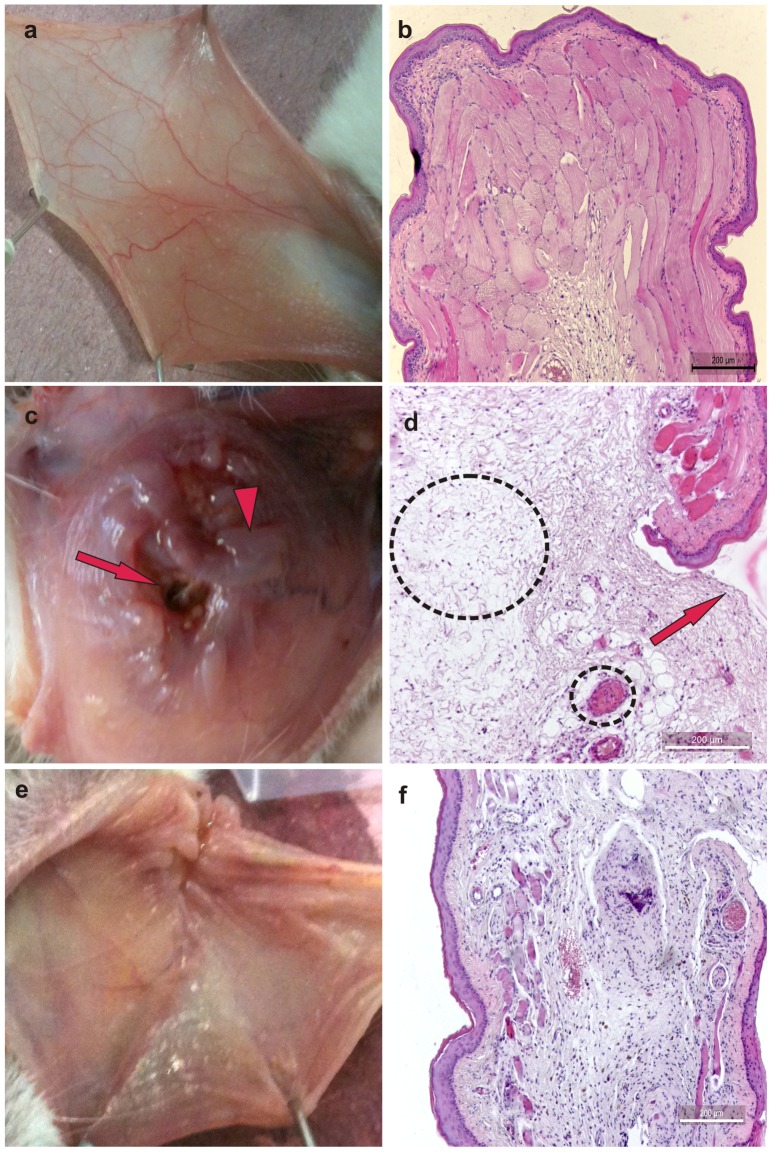
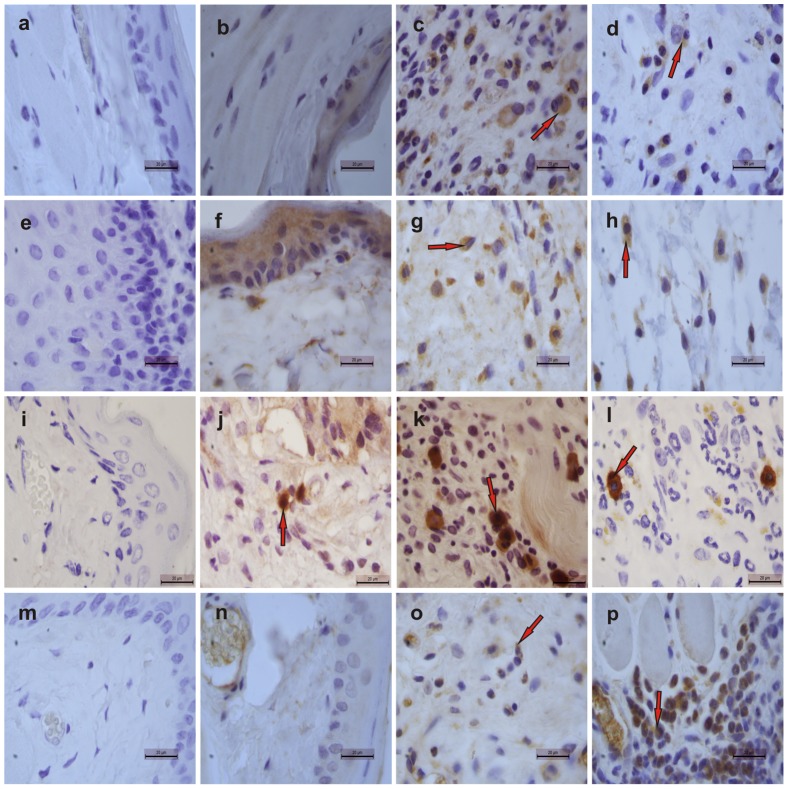
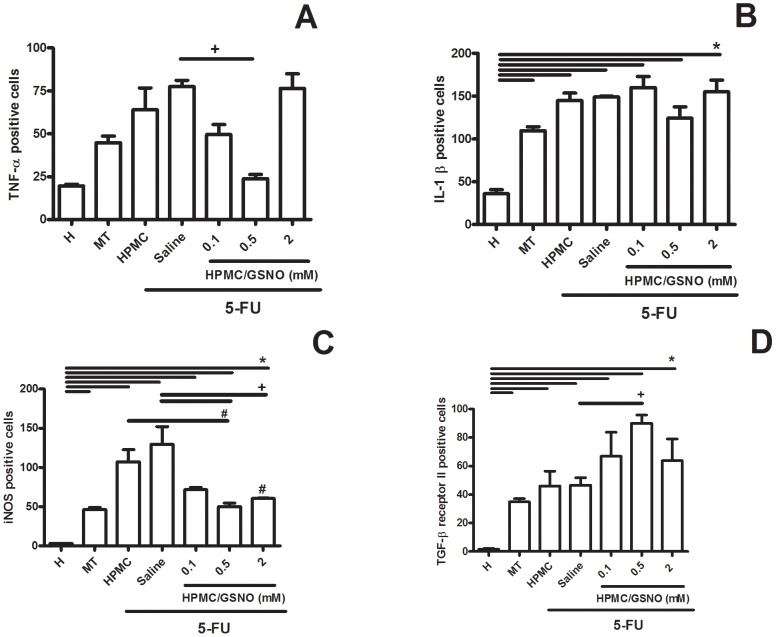
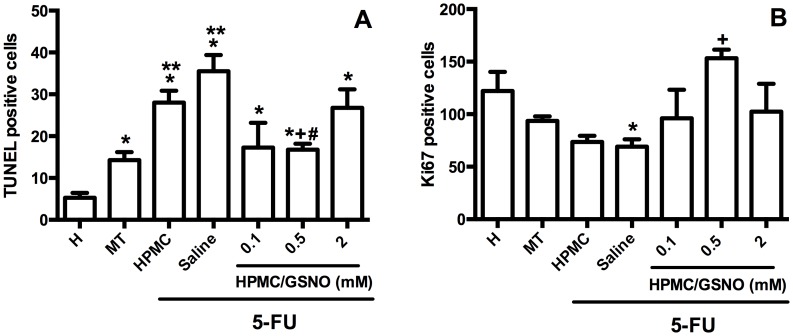
Oral mucositis was induced in male hamsters by two intraperitoneal administrations of 5-FU on the first and second days of the experiment (60 and 40 mg/kg, respectively) followed by mechanical trauma on the fourth day. Animals received saline, HPMC or HPMC/GSNO (0.1, 0.5 or 2.0 mM) 1 h prior to the 5-FU injection and twice a day for 10 or 14 days. Samples of cheek pouches were harvested for: histopathological analysis, TNF-α and IL-1β levels, immunohistochemical staining for iNOS, TNF-α, IL-1β, Ki67 and TGF-β RII and a TUNEL assay. The presence and levels of 39 bacterial taxa were analyzed using the Checkerboard DNA-DNA hybridization method. The profiles of NO released from the HPMC/GSNO formulations were characterized using chemiluminescence.
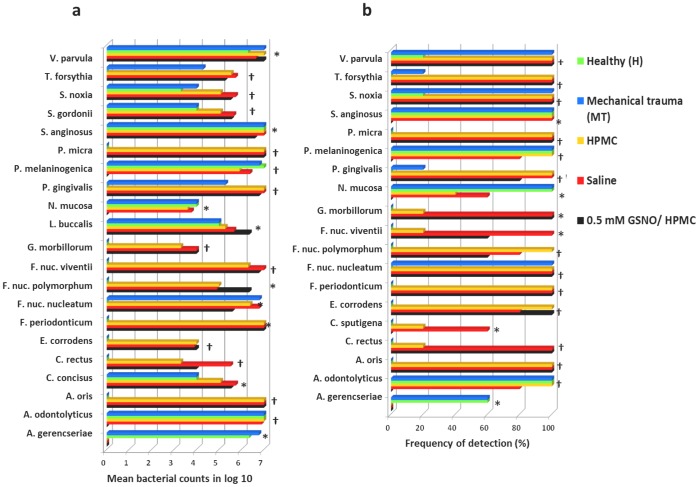
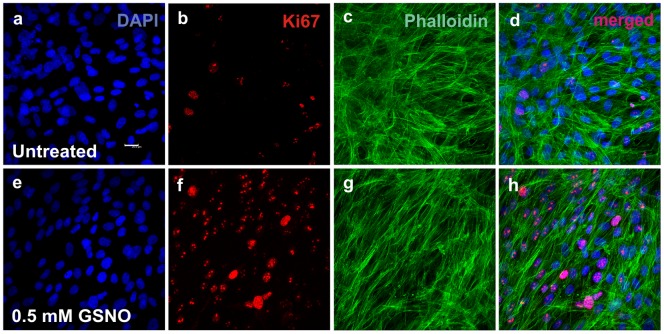
The HPMC/GSNO formulations were found to provide sustained release of NO for more than 4 h at concentration-dependent rates of 14 to 80 nmol/mL/h. Treatment with HPMC/GSNO (0.5 mM) significantly reduced mucosal damage, inflammatory alterations and cell death associated with 5-FU-induced oral mucositis on day 14 but not on day 10. HPMC/GSNO administration also reversed the inhibitory effect of 5-FU on cell proliferation on day 14. In addition, we observed that the chemotherapy significantly increased the levels and/or prevalence of several bacterial species.
Topical HPMC/GSNO accelerates mucosal recovery, reduces inflammatory parameters, speeds up re-epithelization and decreases levels of periodontopathic species in mucosal ulcers.
抗肿瘤药物引起的黏膜炎是癌症治疗中一种重要的、剂量限制性且代价高昂的副作用。
评估一氧化氮供体S-亚硝基谷胱甘肽(GSNO)局部应用对仓鼠5-氟尿嘧啶(5-FU)诱导的口腔黏膜炎的影响。
在实验的第一天和第二天,通过两次腹腔注射5-FU(分别为60和40mg/kg)诱导雄性仓鼠口腔黏膜炎,第四天进行机械创伤。动物在5-FU注射前1小时接受生理盐水、羟丙基甲基纤维素(HPMC)或HPMC/GSNO(0.1、0.5或2.0mM),并每天两次,持续10或14天。采集颊囊样本用于:组织病理学分析、肿瘤坏死因子-α(TNF-α)和白细胞介素-1β(IL-1β)水平检测、诱导型一氧化氮合酶(iNOS)、TNF-α、IL-1β、Ki67和转化生长因子-βⅡ型受体(TGF-β RII)的免疫组织化学染色以及TUNEL检测。使用棋盘式DNA-DNA杂交法分析39种细菌类群的存在和水平。使用化学发光法表征HPMC/GSNO制剂释放一氧化氮的情况。
发现HPMC/GSNO制剂能够以14至80nmol/mL/h的浓度依赖性速率持续释放一氧化氮超过4小时。在第14天,用HPMC/GSNO(0.5mM)治疗可显著减轻与5-FU诱导的口腔黏膜炎相关的黏膜损伤、炎症改变和细胞死亡,但在第10天无此效果。在第14天,给予HPMC/GSNO还可逆转5-FU对细胞增殖的抑制作用。此外,我们观察到化疗显著增加了几种细菌的水平和/或患病率。
局部应用HPMC/GSNO可加速黏膜恢复,降低炎症参数,加快上皮再生,并降低黏膜溃疡中牙周病相关菌种的水平。