Nishino Takeshi, Okamoto Ken
Department of Biochemistry and Molecular Biology, Nippon Medical School, 1-1-5 Sendagi, Bunkyou-ku, Tokyo, 113-8602, Japan,
J Biol Inorg Chem. 2015 Mar;20(2):195-207. doi: 10.1007/s00775-014-1210-x. Epub 2014 Dec 12.
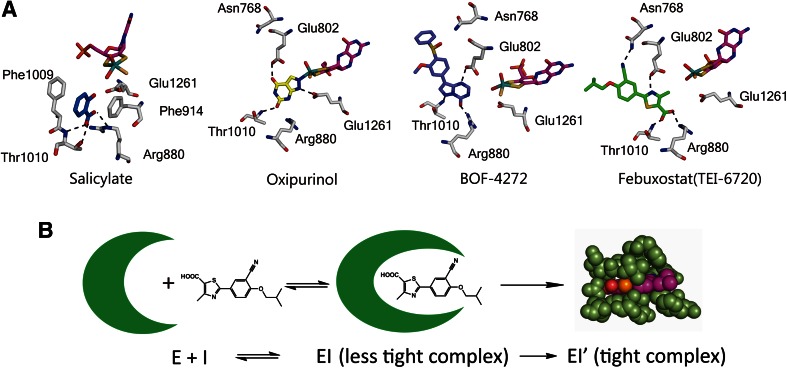
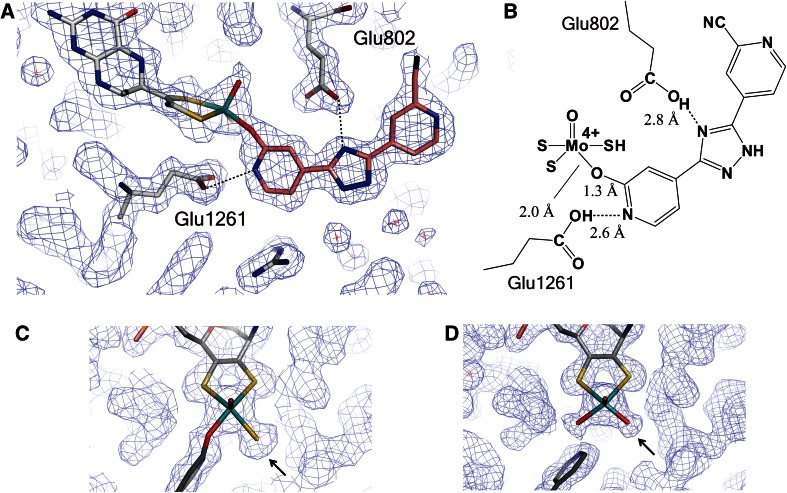
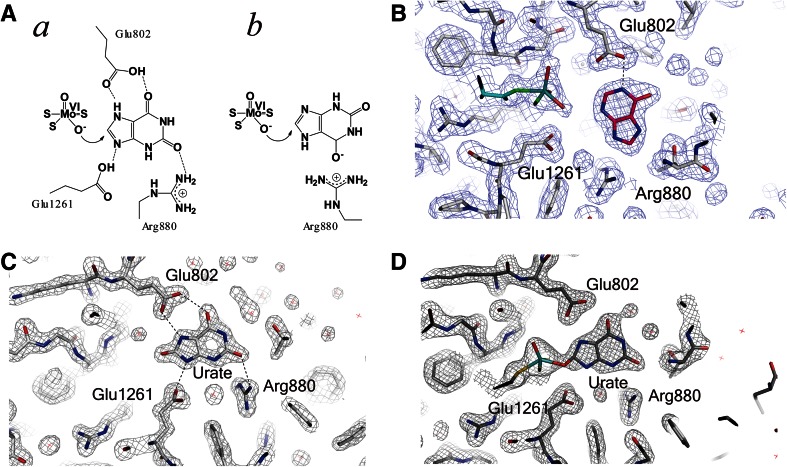
Xanthine oxidoreductase (XOR), which is widely distributed from humans to bacteria, has a key role in purine catabolism, catalyzing two steps of sequential hydroxylation from hypoxanthine to xanthine and from xanthine to urate at its molybdenum cofactor (Moco). Human XOR is considered to be a target of drugs not only for therapy of hyperuricemia and gout, but also potentially for a wide variety of other diseases. In this review, we focus on studies of XOR inhibitors and their implications for understanding the chemical nature and reaction mechanism of the Moco active site of XOR. We also discuss further experimental or clinical studies that would be helpful to clarify remaining issues.
黄嘌呤氧化还原酶(XOR)广泛分布于从人类到细菌的生物中,在嘌呤分解代谢中起关键作用,在其钼辅因子(Moco)处催化从次黄嘌呤到黄嘌呤以及从黄嘌呤到尿酸盐的两步连续羟基化反应。人类XOR不仅被认为是治疗高尿酸血症和痛风的药物靶点,还可能是多种其他疾病的药物靶点。在这篇综述中,我们重点关注XOR抑制剂的研究及其对理解XOR的Moco活性位点的化学性质和反应机制的意义。我们还讨论了有助于阐明遗留问题的进一步实验或临床研究。