Hamamy Hanan, Makrythanasis Periklis, Al-Allawi Nasir, Muhsin Abdulrahman A, Antonarakis Stylianos E
Department of Genetic Medicine and Development, University of Geneva, Geneva, Switzerland.
Department of Pathology, College of Medicine, University of Dohuk, Dohuk, Iraq.
BMC Med Genet. 2014 Dec 17;15:135. doi: 10.1186/s12881-014-0135-0.
Inherited thrombocytopenias (IT) are a heterogeneous group of rare diseases characterized by a reduced number of blood platelets. The frequency of IT is probably underestimated because of diagnostic difficulties and because not all the existing forms have as yet been identified, with some patients remaining without a definitive diagnosis. Exome Sequencing has made possible the identification of almost all variants in the coding regions of protein-coding genes, thereby providing the opportunity to identify the disease causing gene in a number of patients with indefinite diagnoses, specifically in consanguineous families.
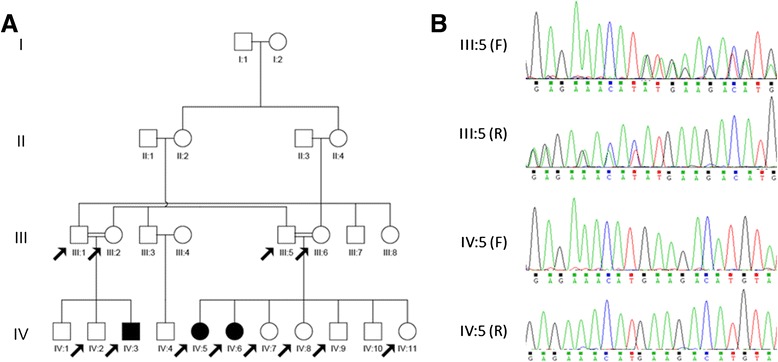
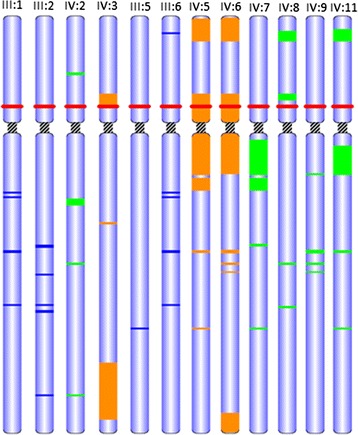
Familial thrombocytopenia with small size platelets was present in several members of a highly consanguineous family from Northern Iraq. Genotyping of all affected, their unaffected siblings and parents, followed by exome sequencing revealed a strong candidate loss of function variant in a homozygous state: a frameshift mutation in the FYB gene. The protein encoded by this gene is known to be a cytosolic adaptor molecule expressed by T, natural killer (NK), myeloid cells and platelets, and is involved in platelet activation and controls the expression of interleukin-2. Knock-out mice were reported to show isolated thrombocytopenia.
Inherited thrombocytopenias differ in their presentation, associated features, and molecular etiologies. An accurate diagnosis is needed to provide appropriate management as well as counseling for the individuals and their family members. Exome sequencing may become a first diagnostic tool to identify the molecular basis of undiagnosed familial IT. In this report, the clinical evaluation combined with the power and efficiency of genomic analysis defined the FYB gene as the possible underlying cause of autosomal recessive thrombocytopenia with small platelet size. This is the first report linking pathogenic variants in FYB and thrombocytopenia in humans.
遗传性血小板减少症(IT)是一组异质性罕见疾病,其特征是血小板数量减少。由于诊断困难以及并非所有现有类型都已被识别,一些患者仍未得到明确诊断,因此IT的发病率可能被低估。外显子组测序使得几乎能够识别蛋白质编码基因编码区域中的所有变异,从而为确定一些诊断不明确的患者,特别是近亲家庭中的致病基因提供了机会。
来自伊拉克北部一个高度近亲家庭的多名成员患有家族性血小板减少症且血小板体积小。对所有受影响者、其未受影响的兄弟姐妹和父母进行基因分型,随后进行外显子组测序,发现一个纯合状态下功能丧失的强候选变异:FYB基因中的一个移码突变。已知该基因编码的蛋白质是一种由T细胞、自然杀伤(NK)细胞、髓系细胞和血小板表达的胞质衔接分子,参与血小板活化并控制白细胞介素-2的表达。据报道,基因敲除小鼠表现出孤立性血小板减少症。
遗传性血小板减少症在表现、相关特征和分子病因方面存在差异。需要准确诊断以提供适当的管理以及为患者及其家庭成员提供咨询。外显子组测序可能成为识别未诊断的家族性IT分子基础的首要诊断工具。在本报告中,临床评估与基因组分析的能力和效率相结合,将FYB基因确定为常染色体隐性遗传性血小板减少症伴小血小板体积的可能潜在病因。这是首篇将FYB基因的致病变异与人类血小板减少症联系起来的报告。