Clements Gopalasamy Reuben, Lynam Antony J, Gaveau David, Yap Wei Lim, Lhota Stanislav, Goosem Miriam, Laurance Susan, Laurance William F
Centre for Tropical Environmental and Sustainability Science and College of Marine and Environmental Sciences, James Cook University, Cairns, Queensland, Australia; Kenyir Research Institute, Universiti Malaysia Terengganu, Kuala Terengganu, Malaysia; Panthera, New York, New York, United States of America; Rimba, 4 Jalan1/9D, Selangor, Malaysia; School of Geography, University of Nottingham Malaysia Campus, Selangor, Malaysia; School of Science, Monash University, Selangor, Malaysia.
Center for Global Conservation, Wildlife Conservation Society, New York, New York, United States of America.
PLoS One. 2014 Dec 18;9(12):e115376. doi: 10.1371/journal.pone.0115376. eCollection 2014.
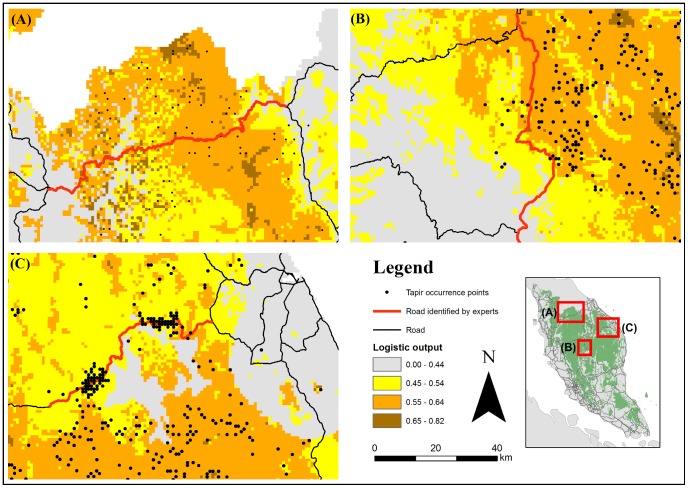
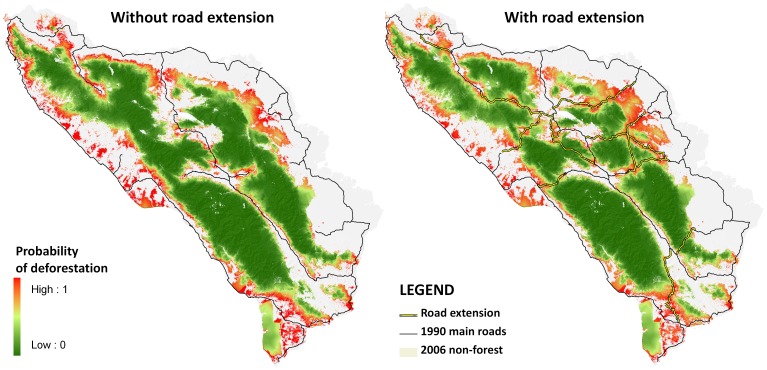
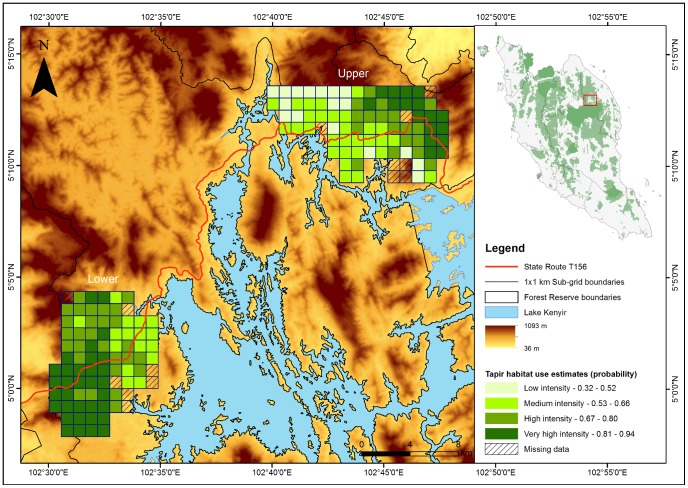
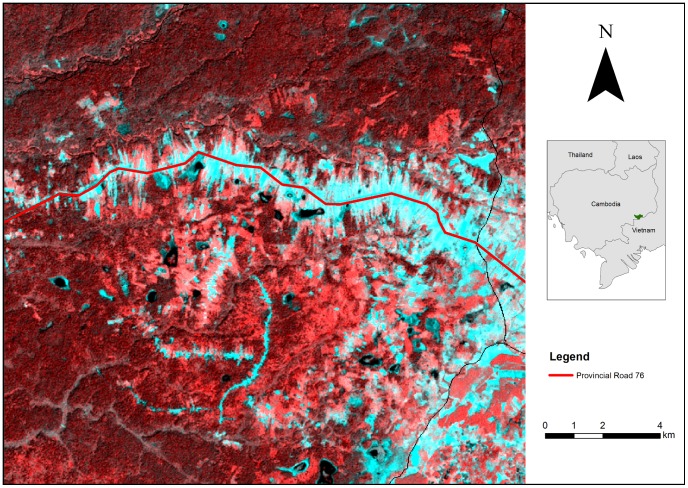
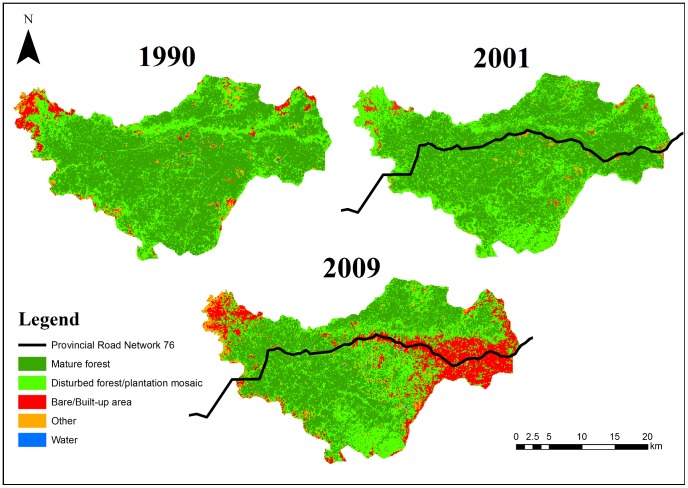
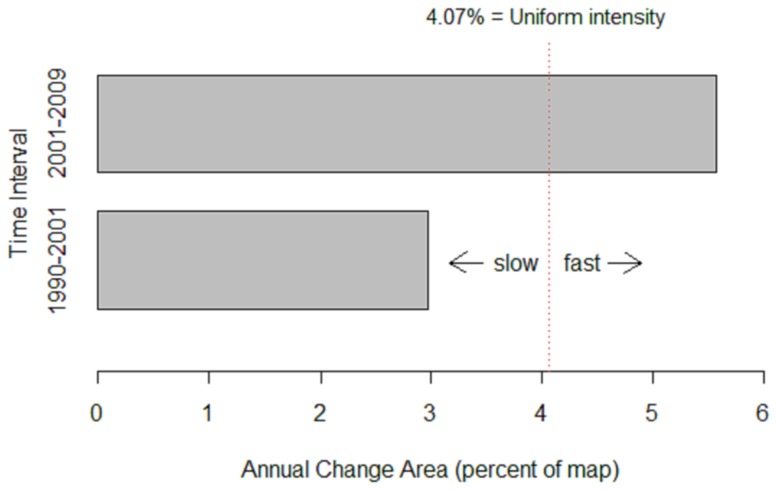
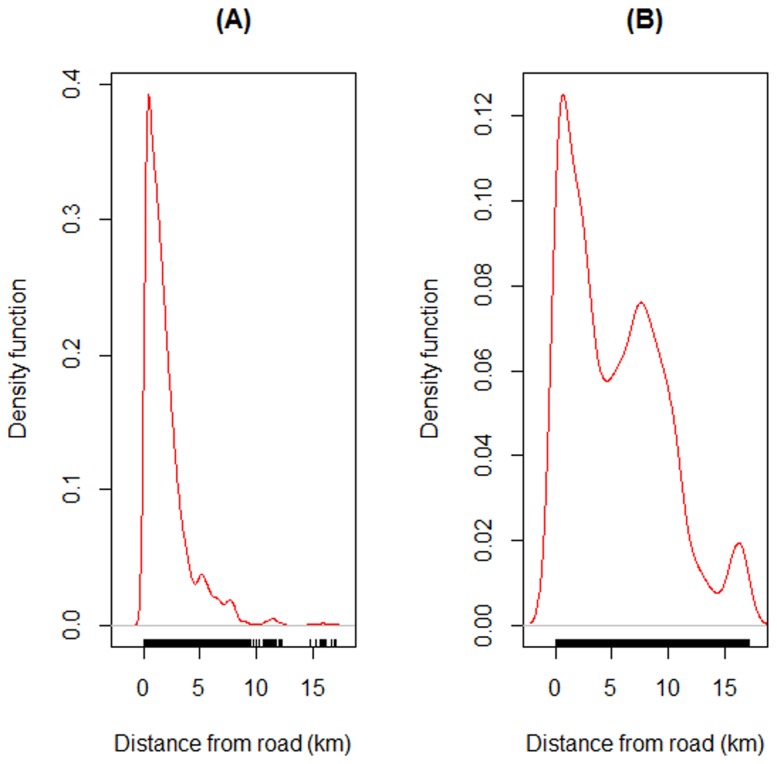
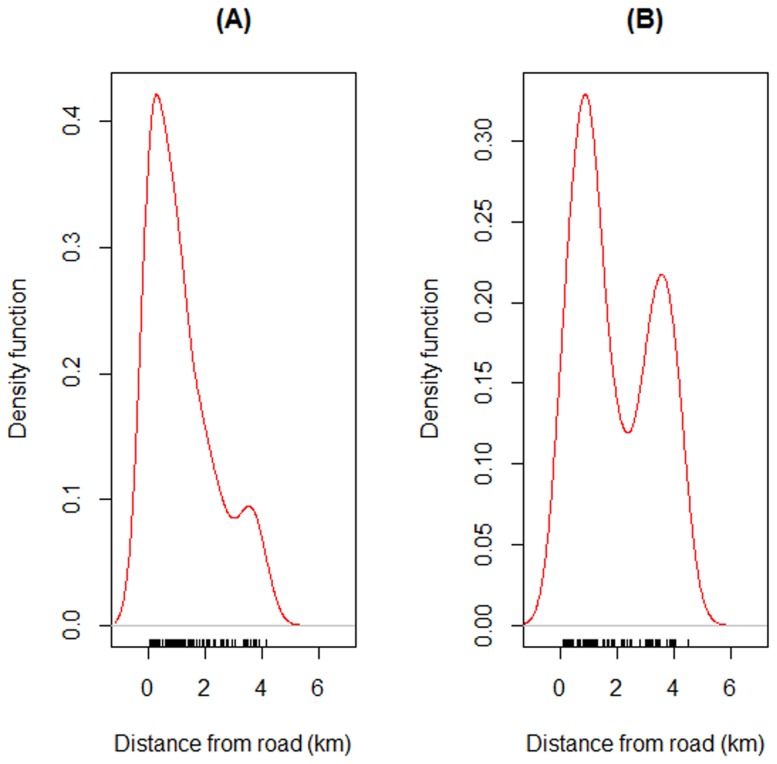
Habitat destruction and overhunting are two major drivers of mammal population declines and extinctions in tropical forests. The construction of roads can be a catalyst for these two threats. In Southeast Asia, the impacts of roads on mammals have not been well-documented at a regional scale. Before evidence-based conservation strategies can be developed to minimize the threat of roads to endangered mammals within this region, we first need to locate where and how roads are contributing to the conversion of their habitats and illegal hunting in each country. We interviewed 36 experts involved in mammal research from seven Southeast Asian countries to identify roads that are contributing the most, in their opinion, to habitat conversion and illegal hunting. Our experts highlighted 16 existing and eight planned roads - these potentially threaten 21% of the 117 endangered terrestrial mammals in those countries. Apart from gathering qualitative evidence from the literature to assess their claims, we demonstrate how species-distribution models, satellite imagery and animal-sign surveys can be used to provide quantitative evidence of roads causing impacts by (1) cutting through habitats where endangered mammals are likely to occur, (2) intensifying forest conversion, and (3) contributing to illegal hunting and wildlife trade. To our knowledge, ours is the first study to identify specific roads threatening endangered mammals in Southeast Asia. Further through highlighting the impacts of roads, we propose 10 measures to limit road impacts in the region.
栖息地破坏和过度捕猎是热带森林中哺乳动物数量减少和灭绝的两大主要驱动因素。道路建设可能成为这两种威胁的催化剂。在东南亚,道路对哺乳动物的影响在区域层面上尚未得到充分记录。在制定基于证据的保护策略以尽量减少该地区道路对濒危哺乳动物的威胁之前,我们首先需要确定道路在每个国家导致其栖息地转变和非法捕猎的地点及方式。我们采访了来自东南亚七个国家的36位从事哺乳动物研究的专家,以确定他们认为对栖息地转变和非法捕猎影响最大的道路。我们的专家指出了16条现有道路和8条规划中的道路——这些道路可能威胁到这些国家117种濒危陆地哺乳动物中的21%。除了从文献中收集定性证据以评估他们的说法外,我们还展示了如何利用物种分布模型、卫星图像和动物踪迹调查来提供道路造成影响的定量证据,这些影响包括:(1)穿过濒危哺乳动物可能出现的栖息地;(2)加剧森林转变;(3)助长非法捕猎和野生动物贸易。据我们所知,我们的研究是首次确定东南亚威胁濒危哺乳动物的具体道路的研究。此外,通过强调道路的影响,我们提出了10项措施来限制该地区道路的影响。