Summers Aimee, Nyenswah Tolbert G, Montgomery Joel M, Neatherlin John, Tappero Jordan W, T Nyenswah, M Fahnbulleh, M Massaquoi
MMWR Morb Mortal Wkly Rep. 2014 Dec 19;63(50):1202-4.
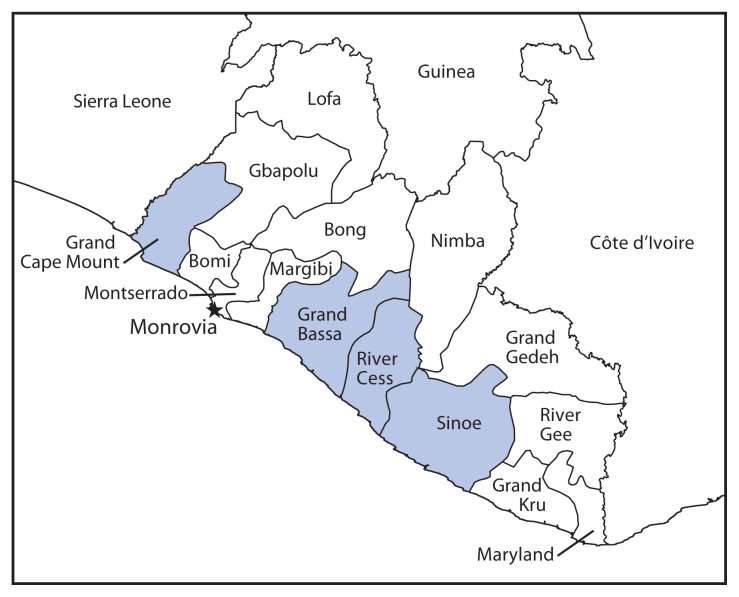
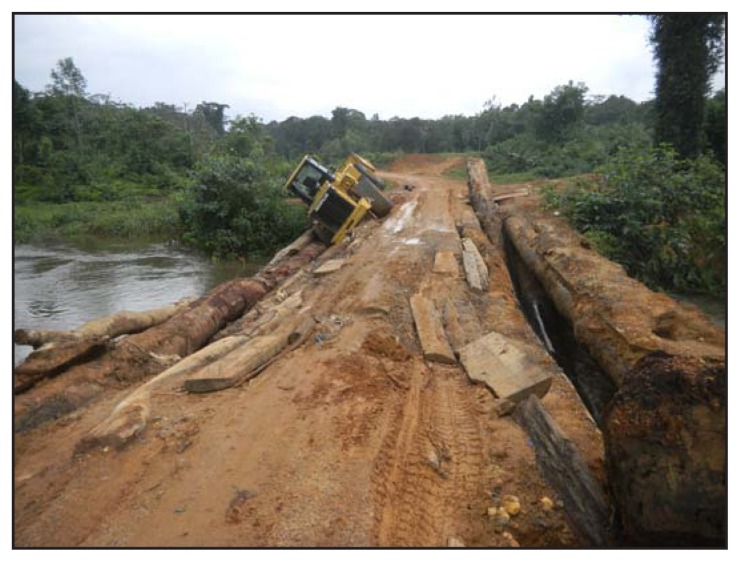
The first cases of Ebola virus disease (Ebola) in West Africa were identified in Guinea on March 22, 2014. On March 30, the first Liberian case was identified in Foya Town, Lofa County, near the Guinean border. Because the majority of early cases occurred in Lofa and Montserrado counties, resources were concentrated in these counties during the first several months of the response, and these counties have seen signs of successful disease control. By October 2014, the epidemic had reached all 15 counties of Liberia. During August 27-September 10, 2014, CDC in collaboration with the Liberian Ministry of Health and Social Welfare assessed county Ebola response plans in four rural counties (Grand Cape Mount, Grand Bassa, Rivercess, and Sinoe, to identify county-specific challenges in executing their Ebola response plans, and to provide recommendations and training to enhance control efforts. Assessments were conducted through interviews with county health teams and health care providers and visits to health care facilities. At the time of assessment, county health teams reported lacking adequate training in core Ebola response strategies and reported facing many challenges because of poor transportation and communication networks. Development of communication and transportation network strategies for communities with limited access to roads and limited means of communication in addition to adequate training in Ebola response strategies is critical for successful management of Ebola in remote areas.
2014年3月22日,几内亚确认了西非首批埃博拉病毒病(埃博拉)病例。3月30日,在靠近几内亚边境的洛法县福亚镇确认了利比里亚首例病例。由于大多数早期病例发生在洛法县和蒙特塞拉多县,在应对疫情的最初几个月里,资源集中在这些县,且这些县已出现疾病控制成功的迹象。到2014年10月,疫情已蔓延至利比里亚所有15个县。2014年8月27日至9月10日期间,美国疾病控制与预防中心(CDC)与利比里亚卫生和社会福利部合作,对四个农村县(大角山、大巴萨、里弗塞斯和锡诺)的埃博拉应对计划进行了评估,以确定在执行埃博拉应对计划过程中各县特有的挑战,并提供建议和培训以加强防控工作。评估通过与县卫生团队和医疗服务提供者进行访谈以及走访医疗机构展开。在评估时,县卫生团队报告称缺乏埃博拉核心应对策略方面的充分培训,并且由于交通和通信网络不佳而面临诸多挑战。除了对埃博拉应对策略进行充分培训外,为道路通行受限且通信手段有限的社区制定通信和交通网络策略对于在偏远地区成功管理埃博拉疫情至关重要。