Churi Chaitanya R, Shroff Rachna, Wang Ying, Rashid Asif, Kang HyunSeon C, Weatherly Jacqueline, Zuo Mingxin, Zinner Ralph, Hong David, Meric-Bernstam Funda, Janku Filip, Crane Christopher H, Mishra Lopa, Vauthey Jean-Nicholas, Wolff Robert A, Mills Gordon, Javle Milind
The University of Texas M.D. Anderson Cancer Center, Houston, Texas, United States of America.
PLoS One. 2014 Dec 23;9(12):e115383. doi: 10.1371/journal.pone.0115383. eCollection 2014.
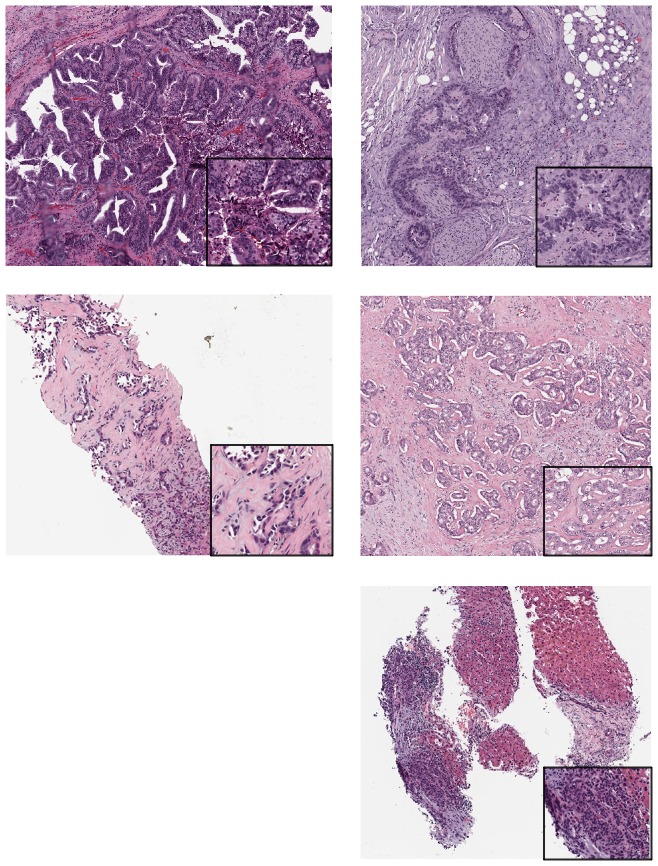
Cholangiocarcinoma (CCA) is clinically heterogeneous; intra and extrahepatic CCA have diverse clinical presentations. Next generation sequencing (NGS) technology may identify the genetic differences between these entities and identify molecular subgroups for targeted therapeutics.
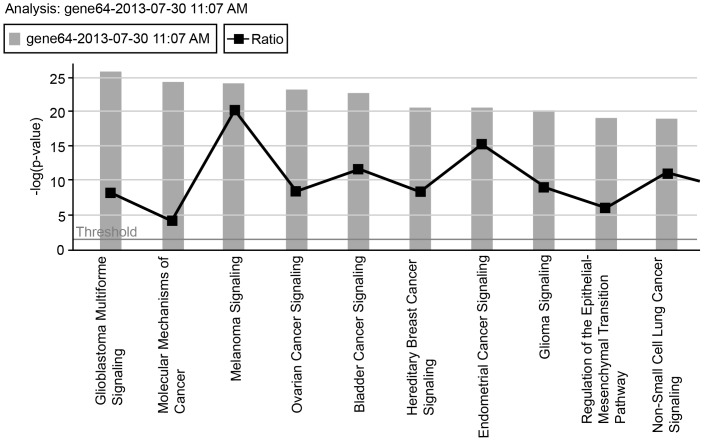
We describe successful NGS-based testing of 75 CCA patients along with the prognostic and therapeutic implications of findings. Mutation profiling was performed using either a) NGS panel of hotspot regions in 46 cancer-related genes using a 318-chip on Ion PGM Sequencer or b) Illumina HiSeq 2000 sequencing platform for 3,769 exons of 236 cancer-related genes plus 47 introns from 19 genes to an average depth of 1000X. Clinical data was abstracted and correlated with clinical outcome. Patients with targetable mutations were referred to appropriate clinical trials.
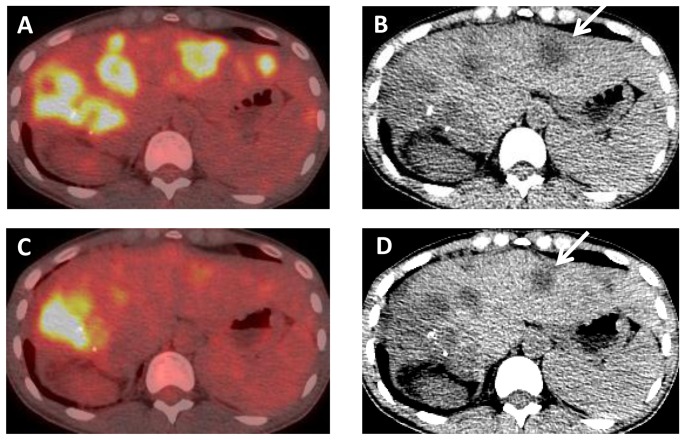
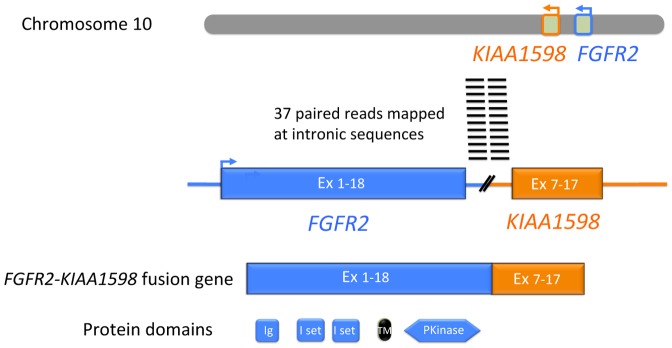
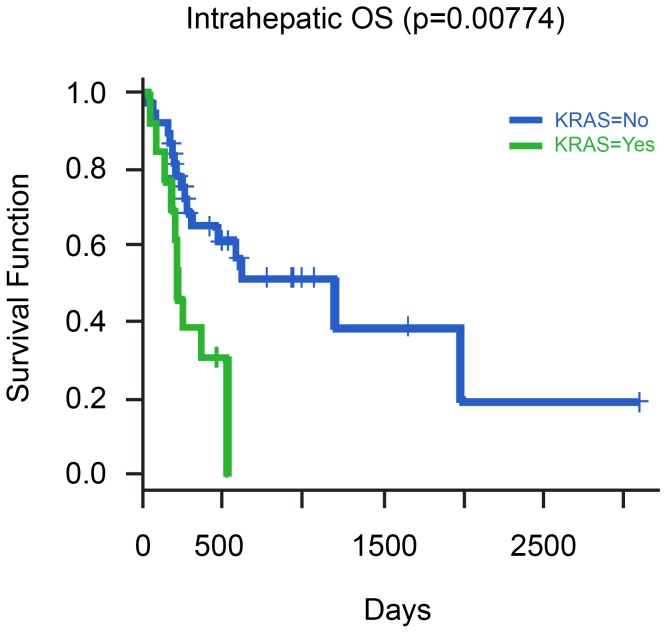
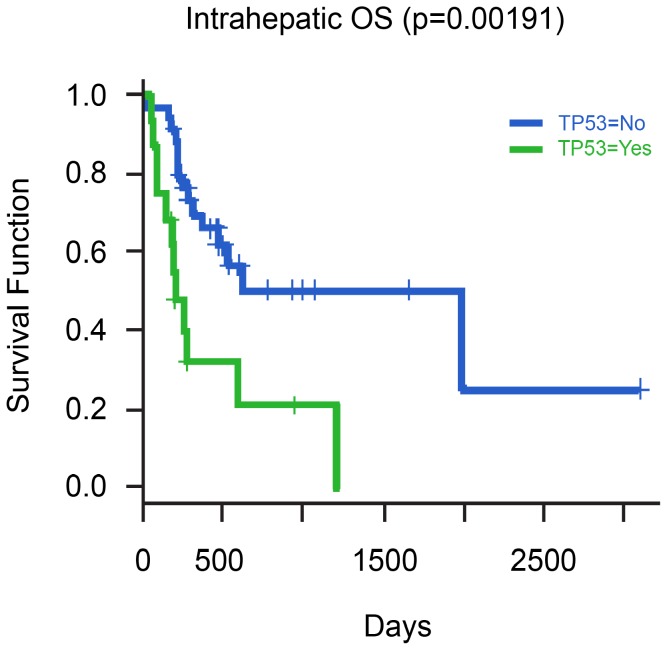
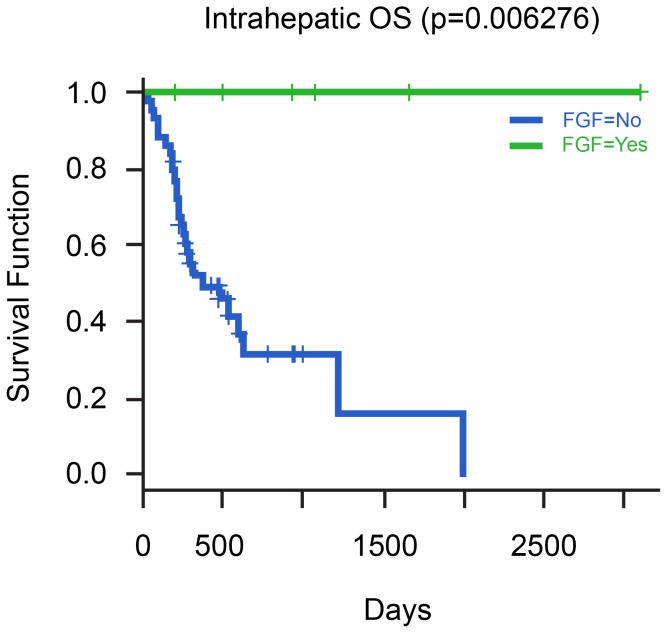
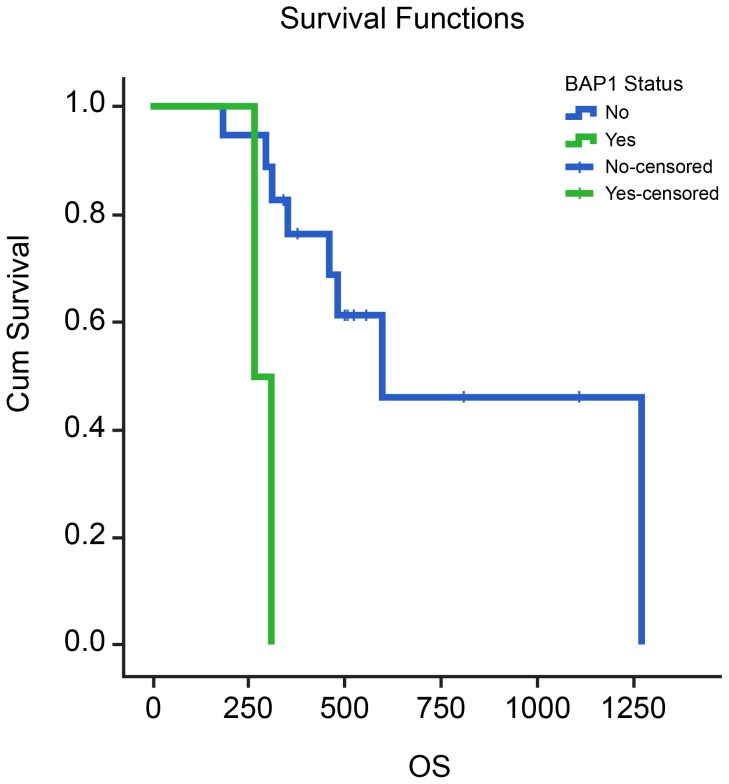
There were significant differences between intrahepatic (n = 55) and extrahepatic CCA (n = 20) in regard to the nature and frequency of the genetic aberrations (GAs). IDH1 and DNA repair gene alterations occurred more frequently in intrahepatic CCA, while ERBB2 GAs occurred in the extrahepatic group. Commonly occurring GAs in intrahepatic CCA were TP53 (35%), KRAS (24%), ARID1A (20%), IDH1 (18%), MCL1 (16%) and PBRM1 (11%). Most frequent GAs in extrahepatic CCA (n = 20) were TP53 (45%), KRAS (40%), ERBB2 (25%), SMAD4 (25%), FBXW7 (15%) and CDKN2A (15%). In intrahepatic CCA, KRAS, TP53 or MAPK/mTOR GAs were significantly associated with a worse prognosis while FGFR GAs correlated with a relatively indolent disease course. IDH1 GAs did not have any prognostic significance. GAs in the chromatin modulating genes, BAP1 and PBRM1 were associated with bone metastases and worse survival in extrahepatic CCA. Radiologic responses and clinical benefit was noted with EGFR, FGFR, C-met, B-RAF and MEK inhibitors.
There are significant genetic differences between intra and extrahepatic CCA. NGS can potentially identify disease subsets with distinct prognostic and therapeutic implications.
胆管癌(CCA)在临床上具有异质性;肝内和肝外CCA有不同的临床表现。下一代测序(NGS)技术可能会识别这些实体之间的基因差异,并确定用于靶向治疗的分子亚组。
我们描述了对75例CCA患者成功进行基于NGS的检测以及研究结果的预后和治疗意义。使用以下两种方法之一进行突变分析:a)使用Ion PGM测序仪上的318芯片对46个癌症相关基因的热点区域进行NGS检测;b)使用Illumina HiSeq 2000测序平台对236个癌症相关基因的3769个外显子以及19个基因的47个内含子进行测序,平均深度达1000X。提取临床数据并与临床结果进行关联。具有可靶向突变的患者被转诊至适当的临床试验。
肝内CCA(n = 55)和肝外CCA(n = 20)在基因畸变(GA)的性质和频率方面存在显著差异。IDH1和DNA修复基因改变在肝内CCA中更频繁发生,而ERBB2基因改变则出现在肝外组。肝内CCA中常见的GA包括TP53(35%)、KRAS(24%)、ARID1A(20%)、IDH1(18%)、MCL1(16%)和PBRM1(11%)。肝外CCA(n = 20)中最常见的GA是TP53(45%)、KRAS(40%)、ERBB2(25%)、SMAD4(25%)、FBXW7(15%)和CDKN2A(15%)。在肝内CCA中,KRAS、TP53或MAPK/mTOR基因改变与较差的预后显著相关,而FGFR基因改变与相对惰性的病程相关。IDH1基因改变没有任何预后意义。染色质调节基因BAP1和PBRM1的基因改变与肝外CCA的骨转移和较差的生存率相关。使用EGFR、FGFR、C-met、B-RAF和MEK抑制剂可观察到放射学反应和临床获益。
肝内和肝外CCA之间存在显著的基因差异。NGS有可能识别出具有不同预后和治疗意义的疾病亚组。