Aging, Mobility, and Cognitive Neuroscience Laboratory, Department of Physical Therapy, Faculty of Medicine, University of British Columbia Vancouver, BC, Canada ; Djavad Mowafaghian Centre for Brain Health, University of British Columbia Vancouver, BC, Canada.
Aging, Mobility, and Cognitive Neuroscience Laboratory, Department of Physical Therapy, Faculty of Medicine, University of British Columbia Vancouver, BC, Canada ; Djavad Mowafaghian Centre for Brain Health, University of British Columbia Vancouver, BC, Canada ; Brain Research Centre, University of British Columbia Vancouver, BC, Canada.
Front Aging Neurosci. 2014 Dec 8;6:325. doi: 10.3389/fnagi.2014.00325. eCollection 2014.
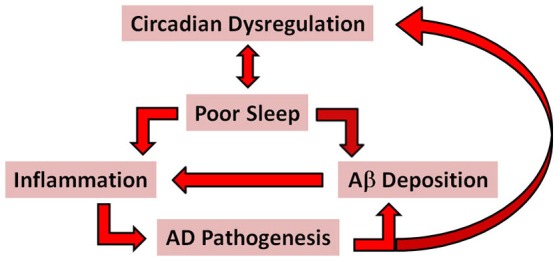
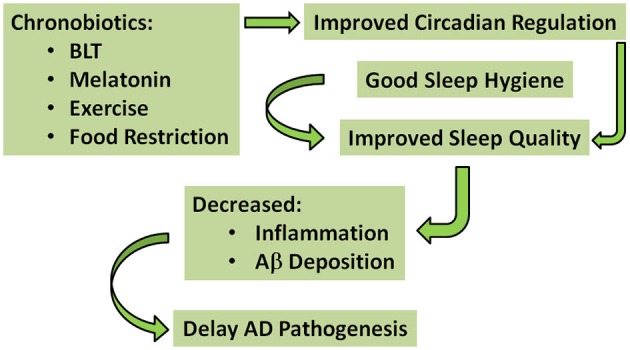
As of 2010, the worldwide economic impact of dementia was estimated at $604 billion USD; and without discovery of a cure or effective interventions to delay disease progression, dementia's annual global economic impact is expected to surpass $1 trillion USD as early as 2030. Alzheimer's disease (AD) is the leading cause of dementia accounting for over 75% of all cases. Toxic accumulation of amyloid beta (Aβ), either by overproduction or some clearance failure, is thought to be an underlying mechanism of the neuronal cell death characteristic of AD-though this amyloid hypothesis has been increasingly challenged in recent years. A compelling alternative hypothesis points to chronic neuroinflammation as a common root in late-life degenerative diseases including AD. Apolipoprotein-E (APOE) genotype is the strongest genetic risk factor for AD: APOE-ε4 is proinflammatory and individuals with this genotype accumulate more Aβ, are at high risk of developing AD, and almost half of all AD patients have at least one ε4 allele. Recent studies suggest a bidirectional relationship exists between sleep and AD pathology. Sleep may play an important role in Aβ clearance, and getting good quality sleep vs. poor quality sleep might reduce the AD risk associated with neuroinflammation and the ε4 allele. Taken together, these findings are particularly important given the sleep disruptions commonly associated with AD and the increased burden disrupted sleep poses for AD caregivers. The current review aims to: (1) identify individuals at high risk for dementia who may benefit most from sleep interventions; (2) explore the role poor sleep quality plays in exacerbating AD type dementia; (3) examine the science of sleep interventions to date; and (4) provide a road map in pursuit of comprehensive sleep interventions, specifically targeted to promote cognitive function and delay progression of dementia.
截至 2010 年,全球痴呆症的经济影响估计为 6040 亿美元;如果没有发现治愈方法或有效的干预措施来延缓疾病进展,预计到 2030 年,痴呆症的年全球经济影响将超过 1 万亿美元。阿尔茨海默病 (AD) 是痴呆症的主要原因,占所有病例的 75%以上。淀粉样蛋白β (Aβ) 的毒性积累,无论是由于过度产生还是某些清除失败,都被认为是 AD 中神经元细胞死亡的潜在机制——尽管近年来这种淀粉样蛋白假说受到了越来越多的挑战。一个引人注目的替代假说指出,慢性神经炎症是包括 AD 在内的老年退行性疾病的共同根源。载脂蛋白 E (APOE) 基因型是 AD 的最强遗传风险因素:APOE-ε4 具有促炎作用,具有这种基因型的个体积累更多的 Aβ,患 AD 的风险很高,几乎一半的 AD 患者至少有一个 ε4 等位基因。最近的研究表明,睡眠与 AD 病理之间存在双向关系。睡眠可能在 Aβ 清除中发挥重要作用,与睡眠质量差相比,获得高质量的睡眠可能会降低与神经炎症和 ε4 等位基因相关的 AD 风险。综上所述,鉴于 AD 患者常见的睡眠障碍以及睡眠障碍对 AD 护理人员造成的负担增加,这些发现尤为重要。本综述旨在:(1) 确定处于痴呆高风险的个体,这些个体可能最受益于睡眠干预;(2) 探讨睡眠质量差在加重 AD 型痴呆症中的作用;(3) 检查迄今为止的睡眠干预研究;(4) 提供一条追求全面睡眠干预的路线图,特别是针对促进认知功能和延缓痴呆症进展。