Arthritis Research UK Biomechanics and Bioengineering Centre, School of Biosciences, Cardiff University , Cardiff , UK.
Institute of Molecular and Experimental Medicine, School of Medicine, Cardiff University , Cardiff , UK.
Front Endocrinol (Lausanne). 2014 Dec 9;5:208. doi: 10.3389/fendo.2014.00208. eCollection 2014.
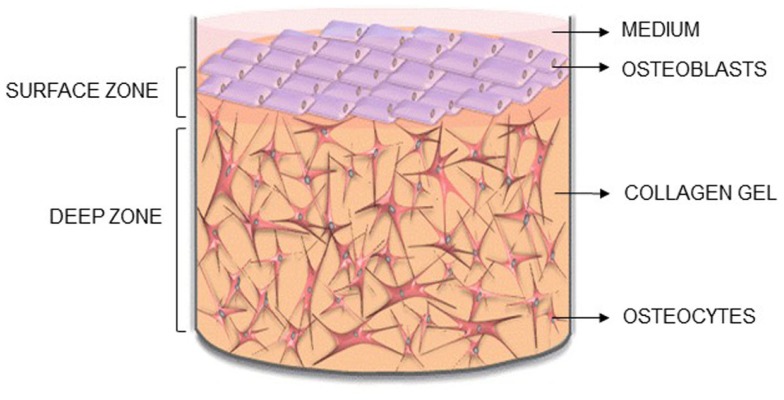
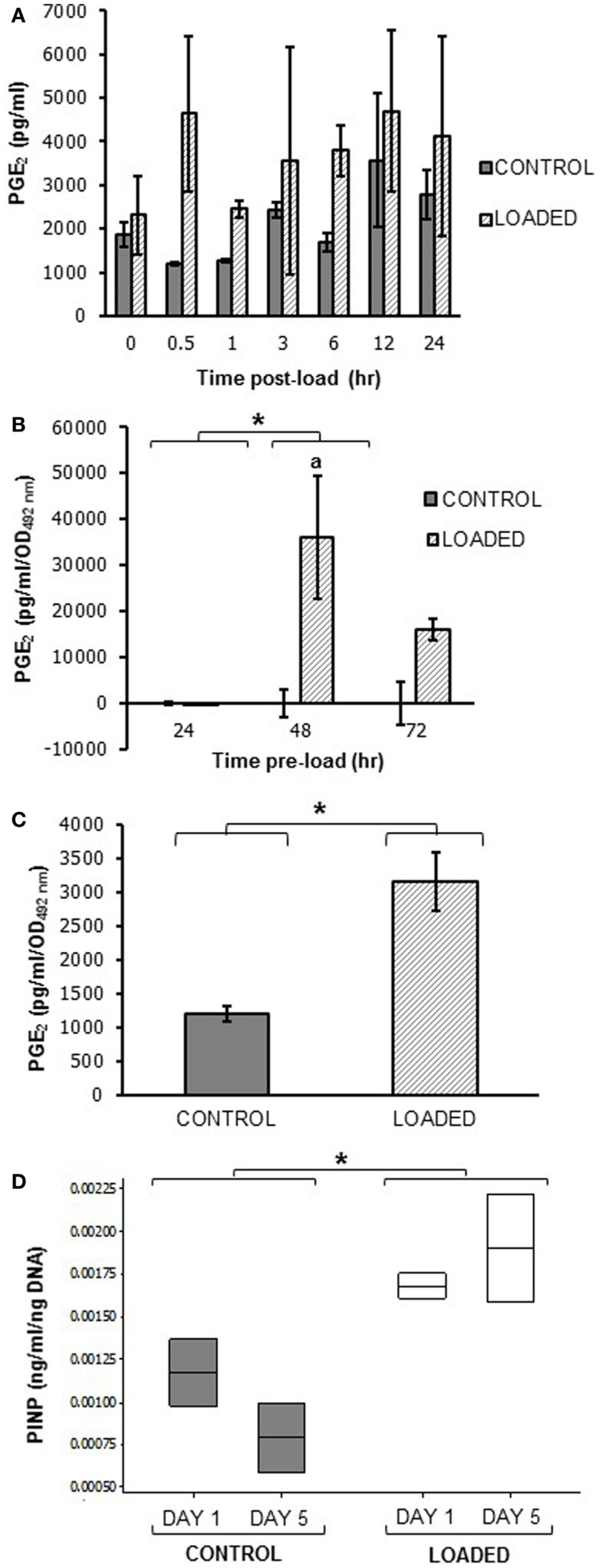
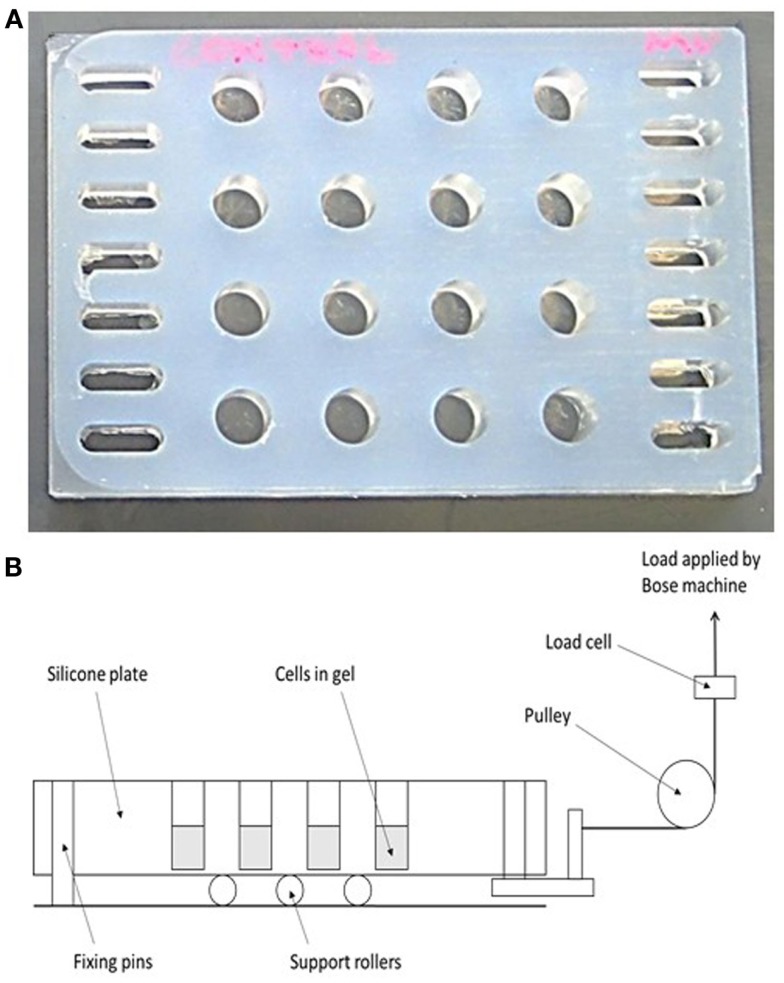
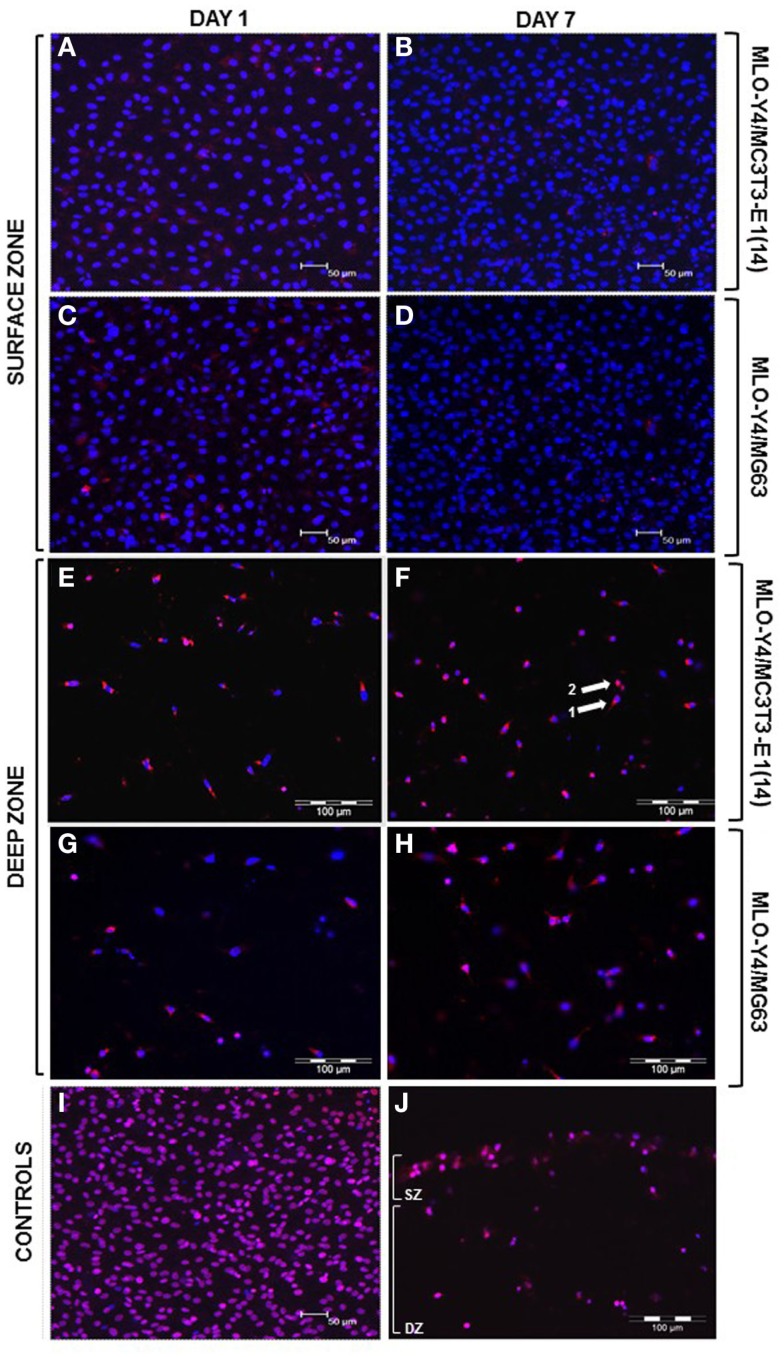
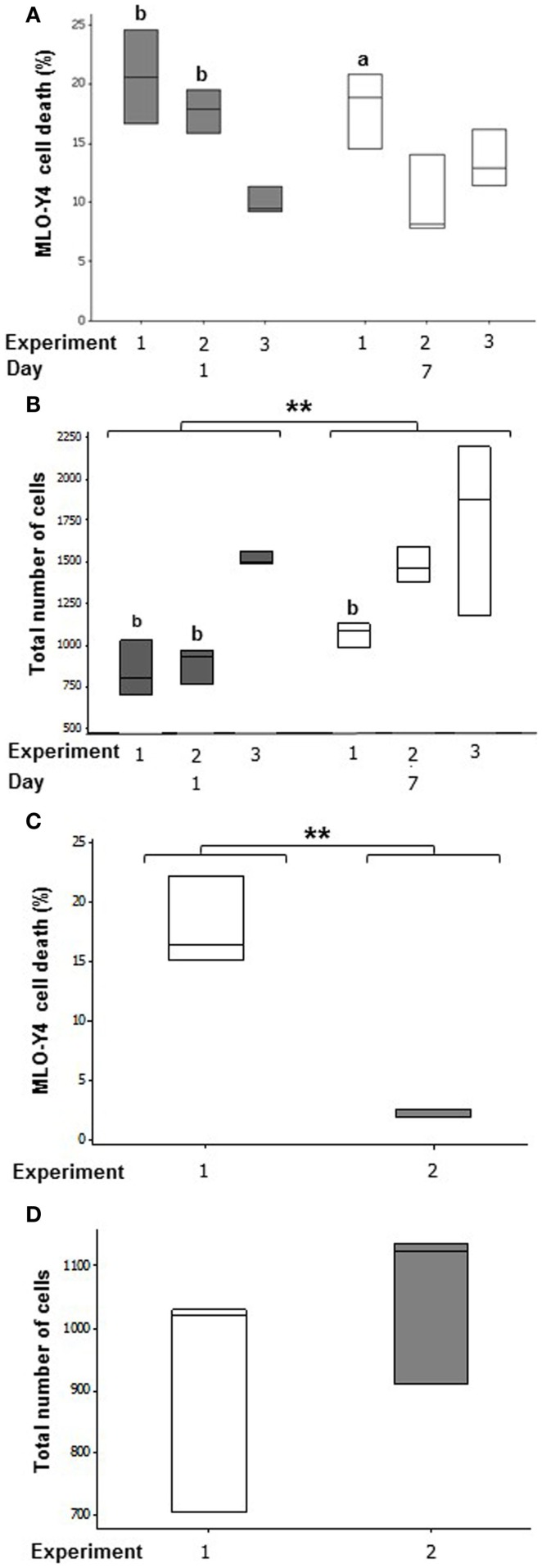
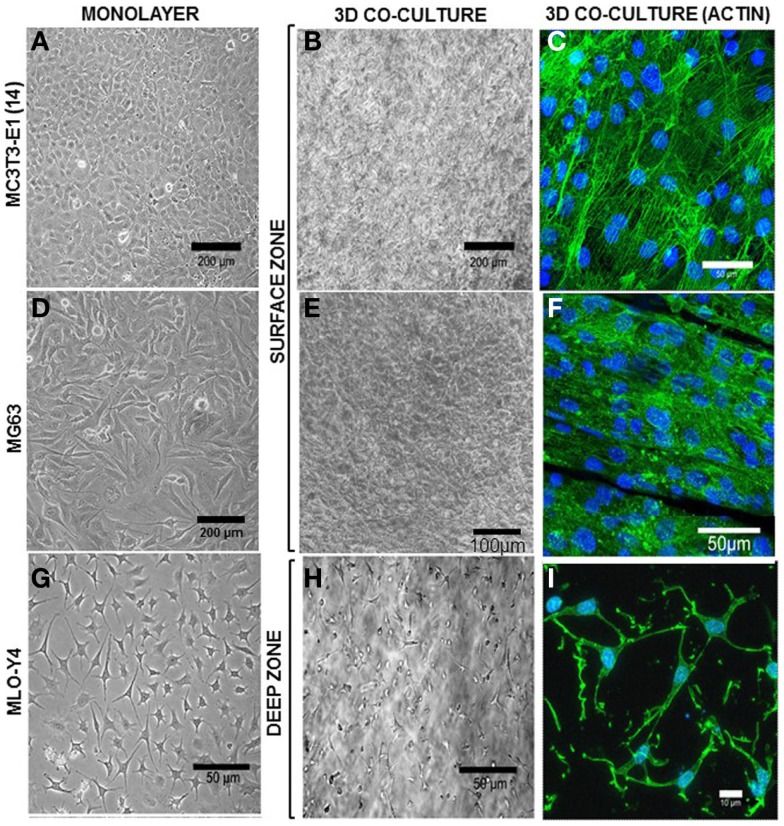
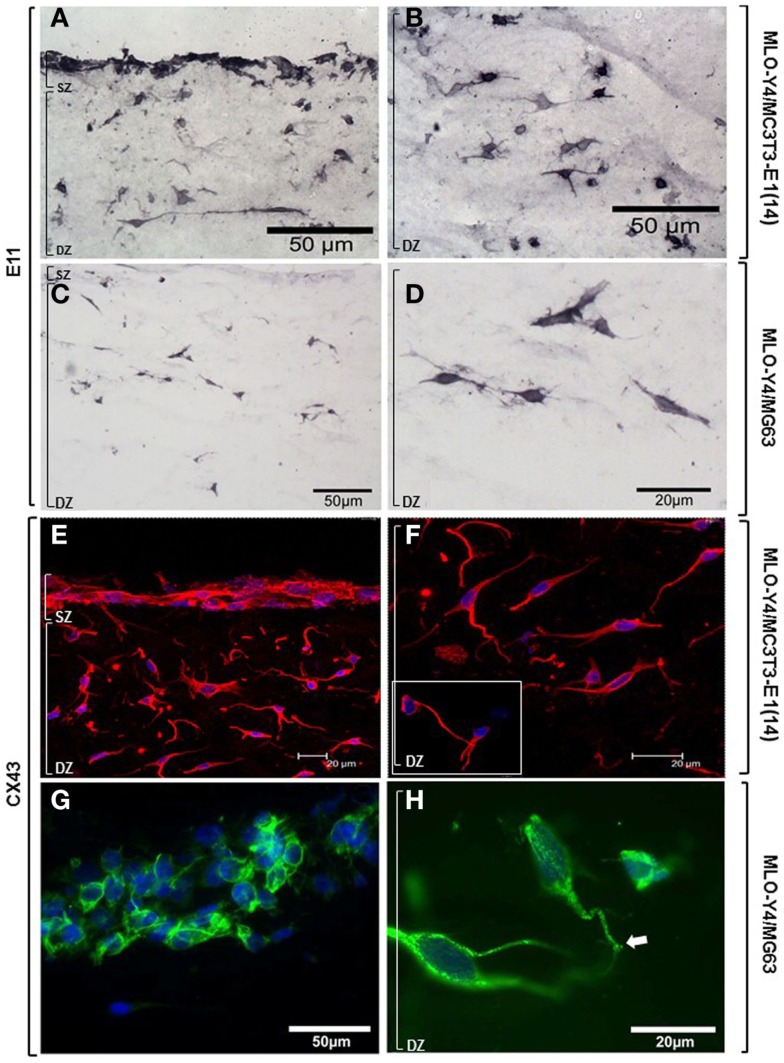
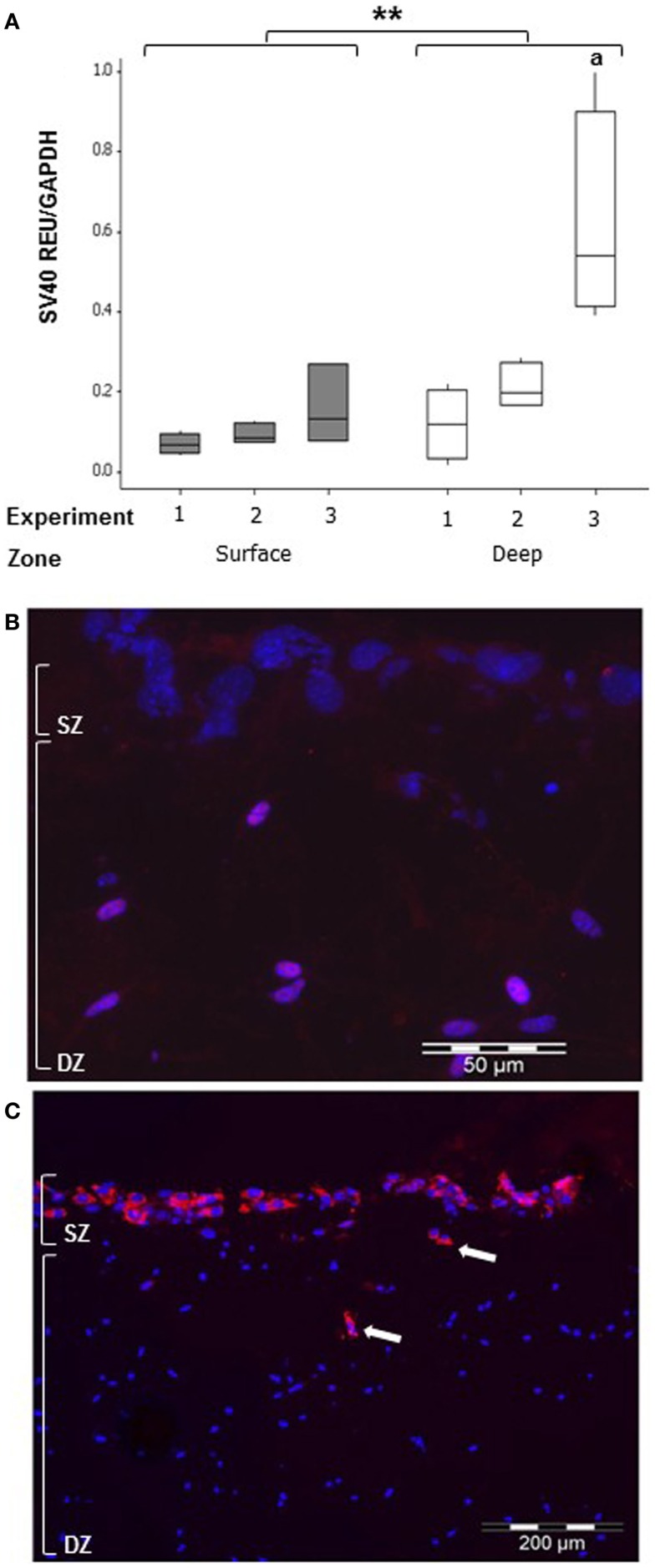
Mechanical loading, a potent stimulator of bone formation, is governed by osteocyte regulation of osteoblasts. We developed a three-dimensional (3D) in vitro co-culture system to investigate the effect of loading on osteocyte-osteoblast interactions. MLO-Y4 cells were embedded in type I collagen gels and MC3T3-E1(14) or MG63 cells layered on top. Ethidium homodimer staining of 3D co-cultures showed 100% osteoblasts and 86% osteocytes were viable after 7 days. Microscopy revealed osteoblasts and osteocytes maintain their respective ovoid/pyriform and dendritic morphologies in 3D co-cultures. Reverse-transcriptase quantitative polymerase chain reaction (RT-qPCR) of messenger ribonucleic acid (mRNA) extracted separately from osteoblasts and osteocytes, showed that podoplanin (E11), osteocalcin, and runt-related transcription factor 2 mRNAs were expressed in both cell types. Type I collagen (Col1a1) mRNA expression was higher in osteoblasts (P < 0.001), whereas, alkaline phosphatase mRNA was higher in osteocytes (P = 0.001). Immunohistochemistry revealed osteoblasts and osteocytes express E11, type I pro-collagen, and connexin 43 proteins. In preliminary experiments to assess osteogenic responses, co-cultures were treated with human recombinant bone morphogenetic protein 2 (BMP-2) or mechanical loading using a custom built loading device. BMP-2 treatment significantly increased osteoblast Col1a1 mRNA synthesis (P = 0.031) in MLO-Y4/MG63 co-cultures after 5 days treatment. A 16-well silicone plate, loaded (5 min, 10 Hz, 2.5 N) to induce 4000-4500 με cyclic compression within gels increased prostaglandin E2 (PGE2) release 0.5 h post-load in MLO-Y4 cells pre-cultured in 3D collagen gels for 48, 72 h, or 7 days. Mechanical loading of 3D co-cultures increased type I pro-collagen release 1 and 5 days later. These methods reveal a new osteocyte-osteoblast co-culture model that may be useful for investigating mechanically induced osteocyte control of osteoblast bone formation.
机械加载是骨形成的有力刺激因素,由骨细胞调节成骨细胞来控制。我们开发了一种三维(3D)体外共培养系统来研究加载对骨细胞-成骨细胞相互作用的影响。将 MLO-Y4 细胞嵌入 I 型胶原凝胶中,并在顶部铺上 MC3T3-E1(14)或 MG63 细胞。3D 共培养物的 Ethidium homodimer 染色显示,7 天后 100%的成骨细胞和 86%的骨细胞仍然存活。显微镜观察显示,3D 共培养物中的成骨细胞和骨细胞分别保持其各自的卵圆形/梨形和树突状形态。分别从成骨细胞和骨细胞中提取信使核糖核酸(mRNA)的逆转录定量聚合酶链反应(RT-qPCR)显示,Podoplanin(E11)、骨钙素和 runt 相关转录因子 2 mRNA 在这两种细胞类型中均有表达。成骨细胞中 I 型胶原(Col1a1)mRNA 表达水平较高(P<0.001),而碱性磷酸酶 mRNA 在骨细胞中表达水平较高(P=0.001)。免疫组织化学显示成骨细胞和骨细胞表达 E11、I 型前胶原和连接蛋白 43 蛋白。在评估成骨反应的初步实验中,使用定制的加载设备对共培养物进行人重组骨形态发生蛋白 2(BMP-2)处理或机械加载。BMP-2 处理可显著增加 MLO-Y4/MG63 共培养物中成骨细胞 Col1a1 mRNA 合成(P=0.031),5 天后处理。将 16 孔硅酮板(5min,10Hz,2.5N)加载到凝胶中,可在预先在 3D 胶原凝胶中培养 48、72 小时或 7 天的 MLO-Y4 细胞中诱导 4000-4500με 循环压缩,在负荷后 0.5 小时增加前列腺素 E2(PGE2)释放。3D 共培养物的机械加载增加了 1 型前胶原的释放,5 天后再次增加。这些方法揭示了一种新的骨细胞-成骨细胞共培养模型,该模型可能有助于研究机械诱导的骨细胞对成骨细胞骨形成的控制。