School of Women's and Infants' Health, The University of Western Australia , Perth, WA , Australia.
Front Immunol. 2014 Dec 9;5:624. doi: 10.3389/fimmu.2014.00624. eCollection 2014.
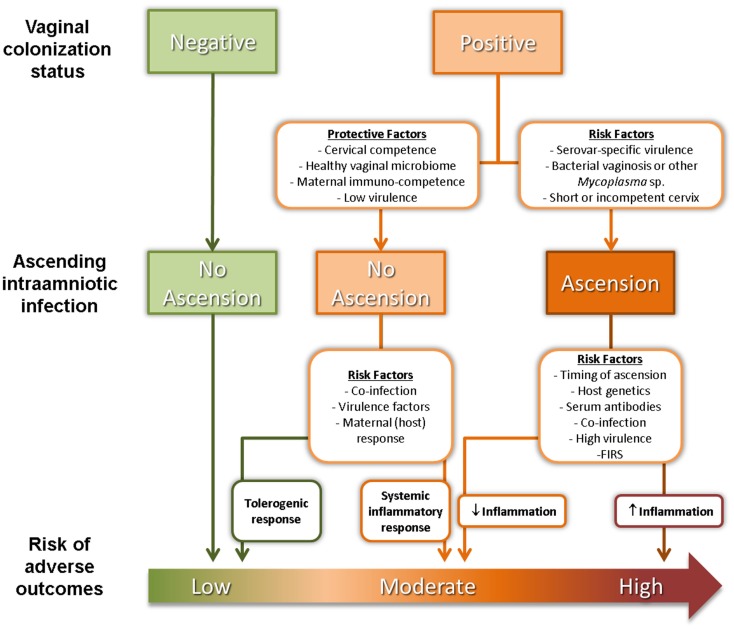
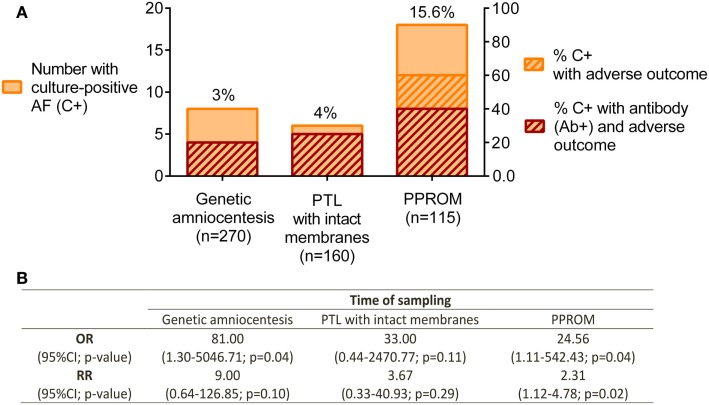
Pre-term birth (PTB) associated with intrauterine infection and inflammation (IUI) is the major cause of early PTB less than 32 weeks of gestation. Ureaplasma spp. are common commensals of the urogenital tract in pregnancy and are the most commonly identified microorganisms in amniotic fluid of pre-term pregnancies. While we have an understanding of the causal relationship between intra-amniotic infection, inflammation and PTB, we are still unable to explain why vaginal Ureaplasma sp. colonization is tolerated in some women but causes PTB in others. It is now known that placental tissues are frequently colonized by bacteria even in apparently healthy pregnancies delivered at term; usually this occurs in the absence of a significant local inflammatory response. It appears, therefore, that the site, nature, and magnitude of the immune response to infiltrating microorganisms are key in determining pregnancy outcome. Some evidence exists that the maternal serological response to Ureaplasma sp. colonization may be predictive of adverse pregnancy outcome, although issues such as the importance of virulence factors (serovars) and the timing, magnitude, and functional consequences of the immune response await clarification. This mini-review discusses the evidence linking the maternal immune response to risk of PTB and the potential applications of maternal serological analysis for predicting obstetric outcome.
早产(PTB)与宫内感染和炎症(IUI)有关,是导致妊娠 32 周前早产的主要原因。解脲脲原体是妊娠期间泌尿生殖道的常见共生菌,也是早产孕妇羊水中最常识别的微生物。虽然我们已经了解了羊膜内感染、炎症和 PTB 之间的因果关系,但我们仍然无法解释为什么阴道解脲脲原体定植在一些女性中被耐受,而在另一些女性中却导致 PTB。现在已知,即使在足月分娩的明显健康妊娠中,胎盘组织也经常被细菌定植;通常这种情况发生在没有明显局部炎症反应的情况下。因此,似乎对浸润微生物的免疫反应的部位、性质和程度是决定妊娠结局的关键。有一些证据表明,母体对解脲脲原体定植的血清学反应可能预示着不良的妊娠结局,尽管诸如毒力因子(血清型)的重要性以及免疫反应的时间、程度和功能后果等问题仍有待澄清。这篇小型综述讨论了将母体免疫反应与 PTB 风险联系起来的证据,以及母体血清学分析在预测产科结局方面的潜在应用。