Purdue University Interdisciplinary Life Sciences Graduate Program, Purdue University, West Lafayette, IN, United States of America; Department of Animal Science, Purdue University, West Lafayette, IN, United States of America.
Department of Animal Science, Purdue University, West Lafayette, IN, United States of America.
PLoS One. 2014 Dec 26;9(12):e110501. doi: 10.1371/journal.pone.0110501. eCollection 2014.
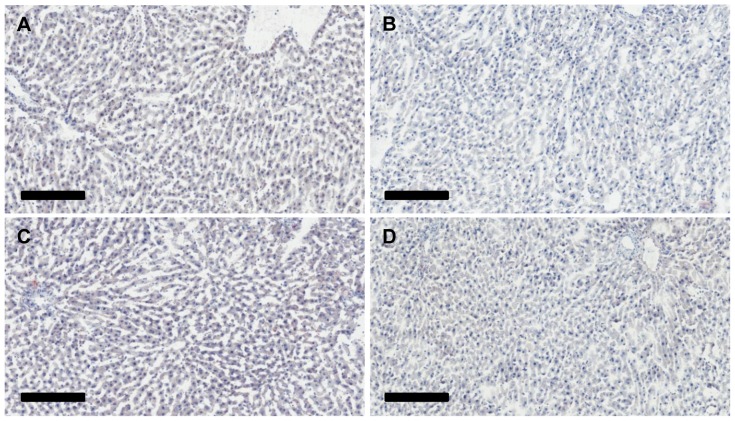
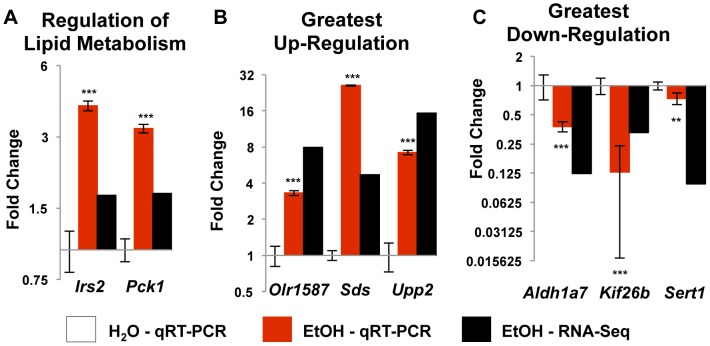
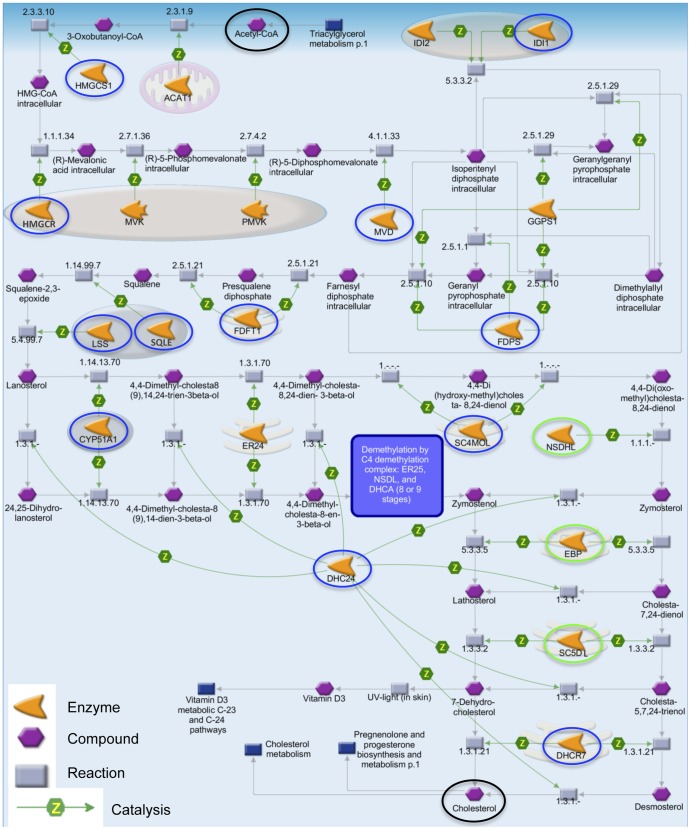
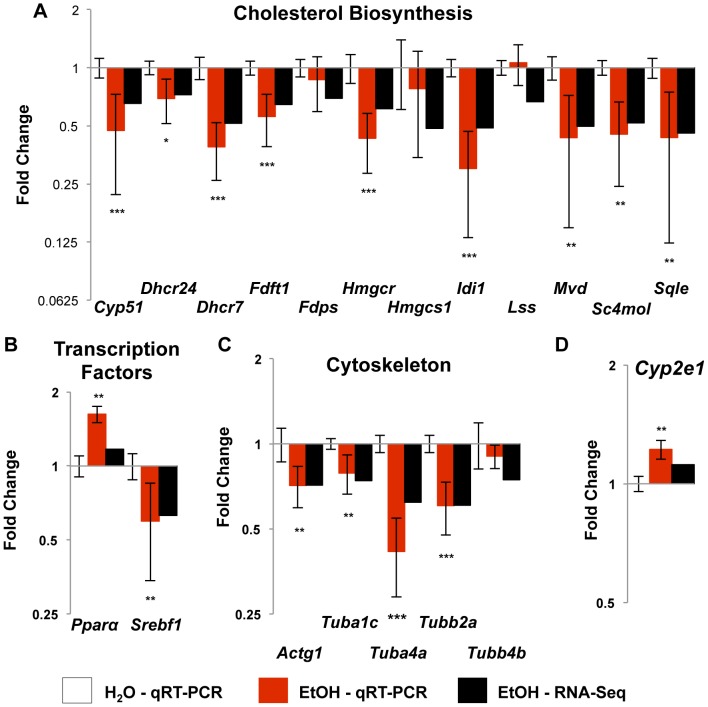
Research is uncovering the genetic and biochemical effects of consuming large quantities of alcohol. One prime example is the J- or U-shaped relationship between the levels of alcohol consumption and the risk of atherosclerotic cardiovascular disease. Moderate alcohol consumption in humans (about 30 g ethanol/d) is associated with reduced risk of coronary heart disease, while abstinence and heavier alcohol intake is linked to increased risk. However, the hepatic consequences of moderate alcohol drinking are largely unknown. Previous data from alcohol-preferring (P) rats showed that chronic consumption does not produce significant hepatic steatosis in this well-established model. Therefore, free-choice alcohol drinking in P rats may mimic low risk or nonhazardous drinking in humans, and chronic exposure in P animals can illuminate the molecular underpinnings of free-choice drinking in the liver. To address this gap, we captured the global, steady-state liver transcriptome following a 23 week free-choice, moderate alcohol consumption regimen (∼ 7.43 g ethanol/kg/day) in inbred alcohol-preferring (iP10a) rats. Chronic consumption led to down-regulation of nine genes in the cholesterol biosynthesis pathway, including HMG-CoA reductase, the rate-limiting step for cholesterol synthesis. These findings corroborate our phenotypic analyses, which indicate that this paradigm produced animals whose hepatic triglyceride levels, cholesterol levels and liver histology were indistinguishable from controls. These findings explain, at least in part, the J- or U-shaped relationship between cardiovascular risk and alcohol intake, and provide outstanding candidates for future studies aimed at understanding the mechanisms that underlie the salutary cardiovascular benefits of chronic low risk and nonhazardous alcohol intake.
研究揭示了大量饮酒对基因和生化的影响。其中一个典型的例子是酒精摄入量与动脉粥样硬化性心血管疾病风险之间的 J 形或 U 形关系。人类适度饮酒(约 30 克乙醇/天)与降低冠心病风险有关,而戒酒和大量饮酒与风险增加有关。然而,适度饮酒对肝脏的影响在很大程度上尚不清楚。来自酒精偏好(P)大鼠的先前数据表明,在这种成熟的模型中,慢性饮酒不会导致明显的肝脂肪变性。因此,P 大鼠的自由选择饮酒可能模拟人类的低风险或非危害饮酒,而 P 动物的慢性暴露可以阐明肝脏中自由选择饮酒的分子基础。为了解决这一差距,我们在近交酒精偏好(iP10a)大鼠中捕获了 23 周自由选择、适度饮酒方案(约 7.43 克乙醇/千克/天)后肝脏的全局、稳态转录组。慢性饮酒导致胆固醇生物合成途径中的九个基因下调,包括 HMG-CoA 还原酶,这是胆固醇合成的限速步骤。这些发现与我们的表型分析相符,表明该范式产生的动物其肝甘油三酯水平、胆固醇水平和肝组织学与对照组无法区分。这些发现至少部分解释了心血管风险与饮酒之间的 J 形或 U 形关系,并为未来旨在了解慢性低风险和非危害饮酒有益心血管作用的机制的研究提供了出色的候选对象。