Majumder Kaustav, Wu Jianping
Department of Agricultural, Food and Nutritional Science, Faculty of Agricultural, Life and Environmental Sciences, University of Alberta, Edmonton, AB T6G 2P5, Canada.
Int J Mol Sci. 2014 Dec 24;16(1):256-83. doi: 10.3390/ijms16010256.
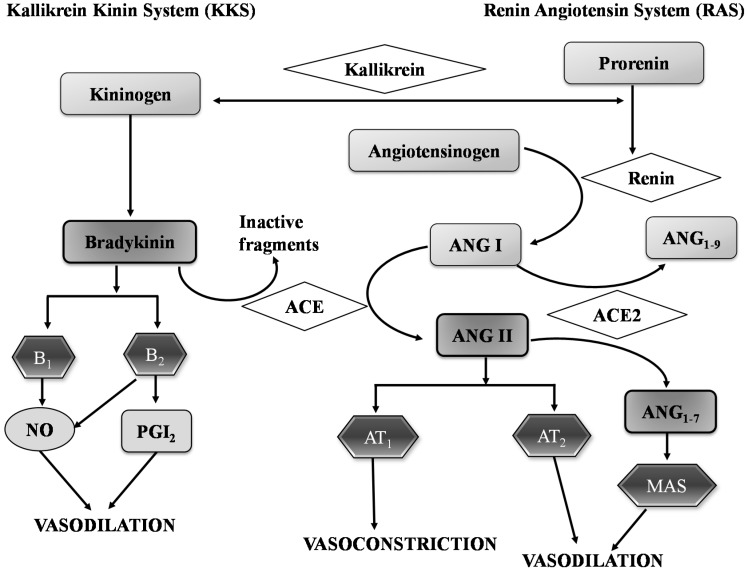
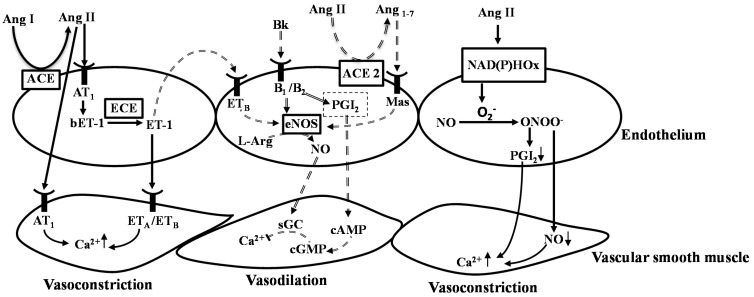
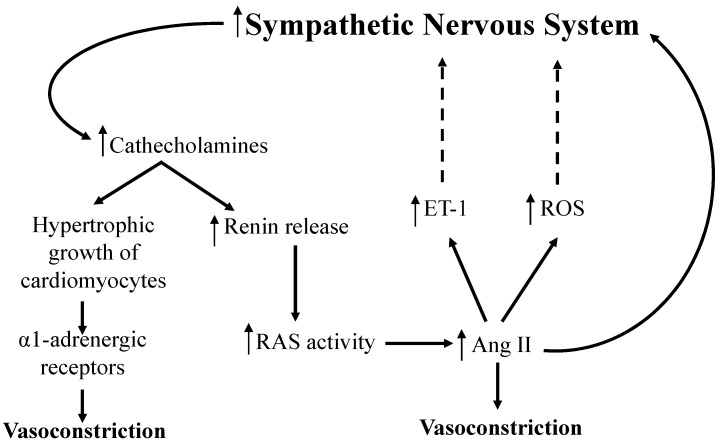
There is growing interest in using functional foods or nutraceuticals for the prevention and treatment of hypertension or high blood pressure. Although numerous preventive and therapeutic pharmacological interventions are available on the market, unfortunately, many patients still suffer from poorly controlled hypertension. Furthermore, most pharmacological drugs, such as inhibitors of angiotensin-I converting enzyme (ACE), are often associated with significant adverse effects. Many bioactive food compounds have been characterized over the past decades that may contribute to the management of hypertension; for example, bioactive peptides derived from various food proteins with antihypertensive properties have gained a great deal of attention. Some of these peptides have exhibited potent in vivo antihypertensive activity in both animal models and human clinical trials. This review provides an overview about the complex pathophysiology of hypertension and demonstrates the potential roles of food derived bioactive peptides as viable interventions targeting specific pathways involved in this disease process. This review offers a comprehensive guide for understanding and utilizing the molecular mechanisms of antihypertensive actions of food protein derived peptides.
人们越来越关注使用功能性食品或营养保健品来预防和治疗高血压。尽管市场上有许多预防性和治疗性的药物干预措施,但不幸的是,许多患者的高血压仍控制不佳。此外,大多数药物,如血管紧张素转换酶(ACE)抑制剂,往往会带来显著的副作用。在过去几十年中,许多具有生物活性的食物成分已被鉴定出来,它们可能有助于高血压的管理;例如,源自各种具有抗高血压特性的食物蛋白质的生物活性肽受到了广泛关注。其中一些肽在动物模型和人体临床试验中均表现出强大的体内抗高血压活性。本综述概述了高血压复杂的病理生理学,并展示了食物源性生物活性肽作为针对该疾病过程中特定途径的可行干预措施的潜在作用。本综述为理解和利用食物蛋白衍生肽的抗高血压作用分子机制提供了全面指南。