1] Department of Anatomy and Structural Biology, Albert Einstein College of Medicine, 1300 Morris Park Avenue, Bronx, New York 10461, USA. [2] Gruss Lipper Biophotonics Center, Albert Einstein College of Medicine, 1300 Morris Park Avenue, Bronx, New York 10461, USA. [3].
1] Department of Anatomy and Structural Biology, Albert Einstein College of Medicine, 1300 Morris Park Avenue, Bronx, New York 10461, USA. [2] Gruss Lipper Biophotonics Center, Albert Einstein College of Medicine, 1300 Morris Park Avenue, Bronx, New York 10461, USA. [3] Department of Molecular Genetics, Weizmann Institute of Science, 234 Herzl Street, Rehovot 7610001, Israel. [4].
Nat Rev Mol Cell Biol. 2015 Feb;16(2):95-109. doi: 10.1038/nrm3918. Epub 2014 Dec 30.
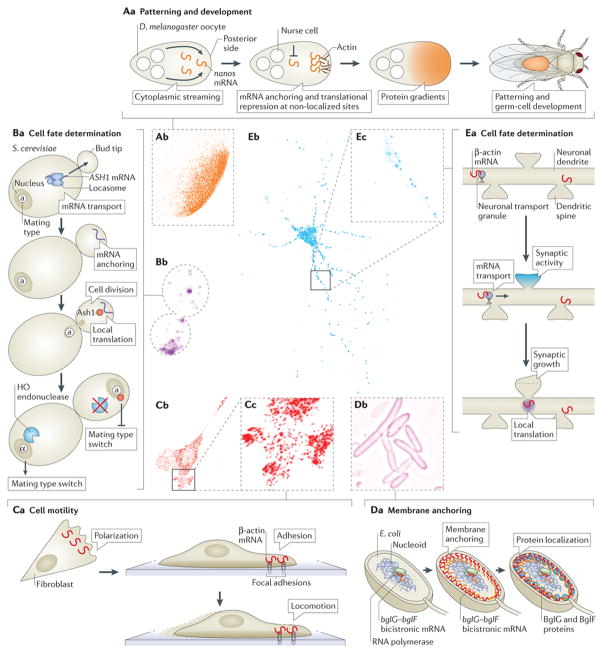
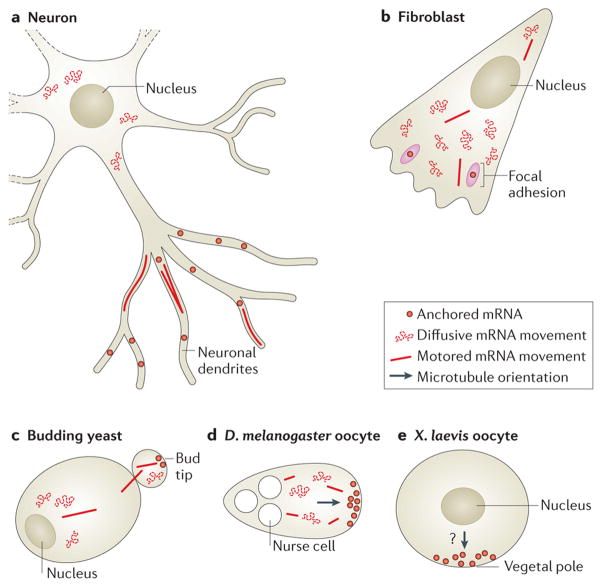
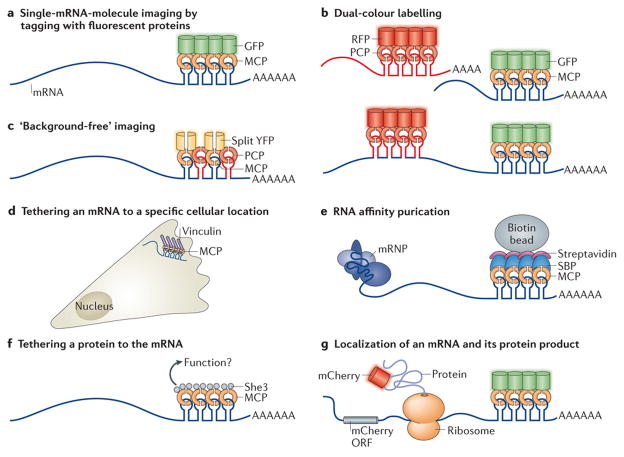
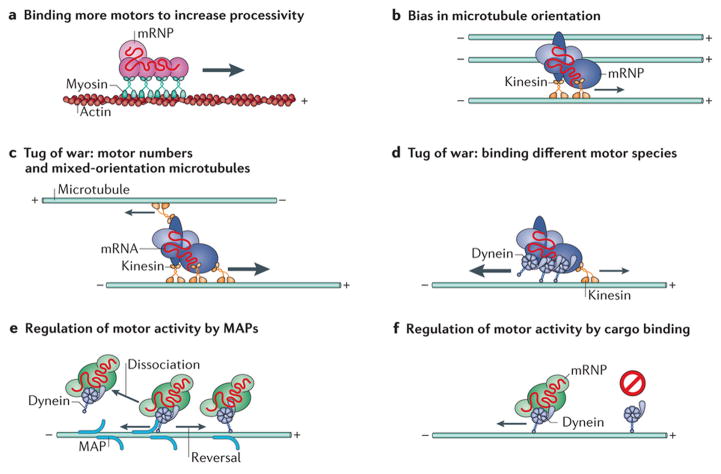
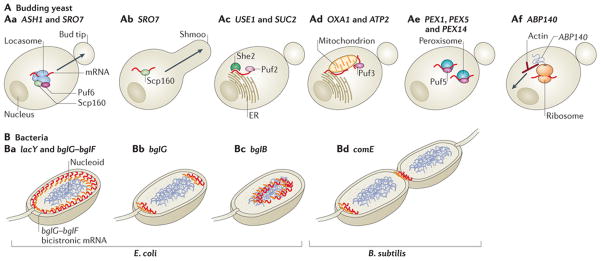
The spatial regulation of protein translation is an efficient way to create functional and structural asymmetries in cells. Recent research has furthered our understanding of how individual cells spatially organize protein synthesis, by applying innovative technology to characterize the relationship between mRNAs and their regulatory proteins, single-mRNA trafficking dynamics, physiological effects of abrogating mRNA localization in vivo and for endogenous mRNA labelling. The implementation of new imaging technologies has yielded valuable information on mRNA localization, for example, by observing single molecules in tissues. The emerging movements and localization patterns of mRNAs in morphologically distinct unicellular organisms and in neurons have illuminated shared and specialized mechanisms of mRNA localization, and this information is complemented by transgenic and biochemical techniques that reveal the biological consequences of mRNA mislocalization.
蛋白质翻译的空间调控是在细胞中产生功能和结构不对称性的有效方法。最近的研究通过应用创新技术来描述 mRNA 与其调节蛋白之间的关系、单个 mRNA 运输动力学、体内破坏 mRNA 定位的生理效应以及内源性 mRNA 标记,进一步加深了我们对单个细胞如何在空间上组织蛋白质合成的理解。新成像技术的应用为 mRNA 定位提供了有价值的信息,例如,通过在组织中观察单个分子。在形态不同的单细胞生物和神经元中,mRNA 的新兴运动和定位模式揭示了 mRNA 定位的共有和专门机制,而转基因和生化技术提供的信息则揭示了 mRNA 定位错误的生物学后果。