Rajashekhara N, Ashok B K, Sharma Parmeshwar P, Ravishankar B
Department of Dravyaguna Vignana, K.V.G. Ayurveda Medical College and Hospital, Sullia, Dakshina Kannada, India.
Research and Development, The Himalaya Drug Company, Bengaluru, Karnataka, India.
Ayu. 2014 Apr;35(2):191-7. doi: 10.4103/0974-8520.146251.
In the present era, because of the life-style, the disorders such as hyperacidity and gastric ulcers are found very frequently. Satwa (starch) obtained from the rhizomes of two plants namely Curcuma angustifolia Roxb. and Maranta arundinacea Linn. are used in folklore practice for the treatment of above complaints under the name Tugaksheeree.
To compare the anti-ulcerogenic activity of the above two drugs in pyloric ligation induced gastric ulcer in albino rats.
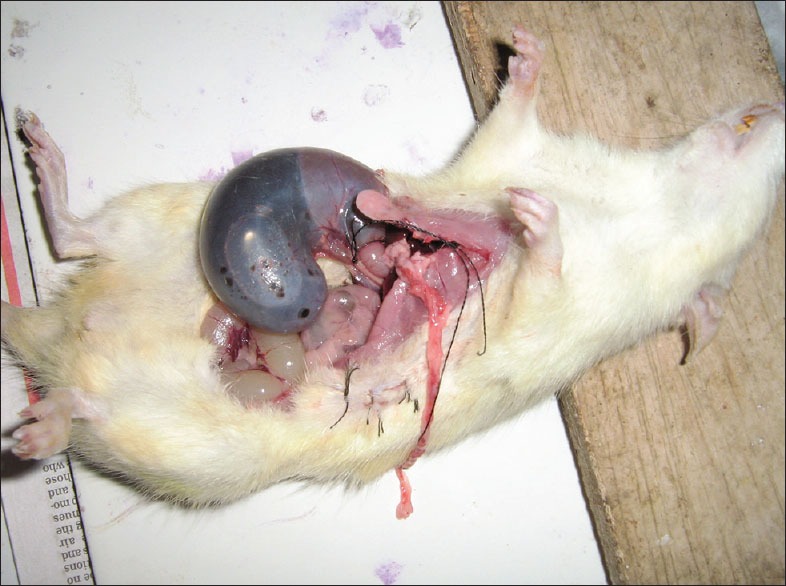
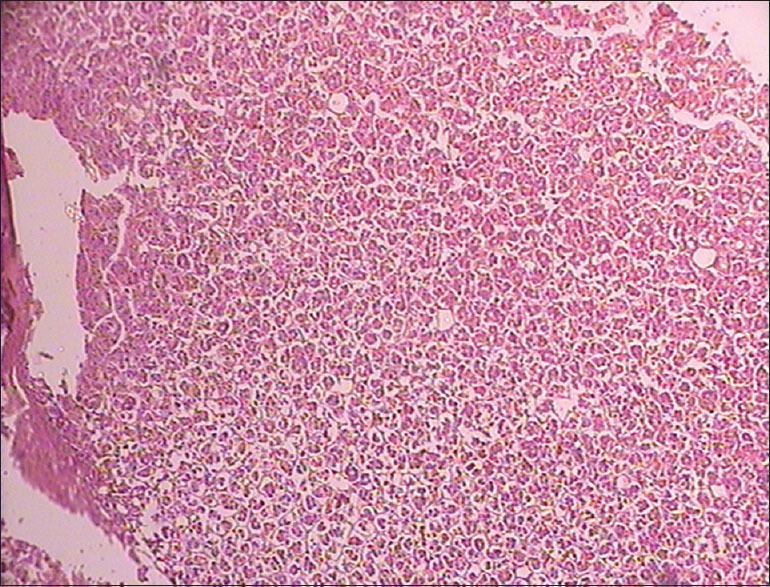
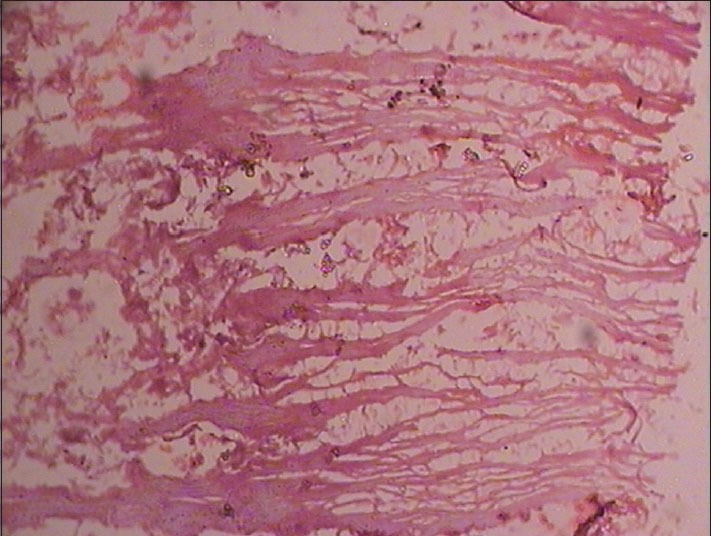
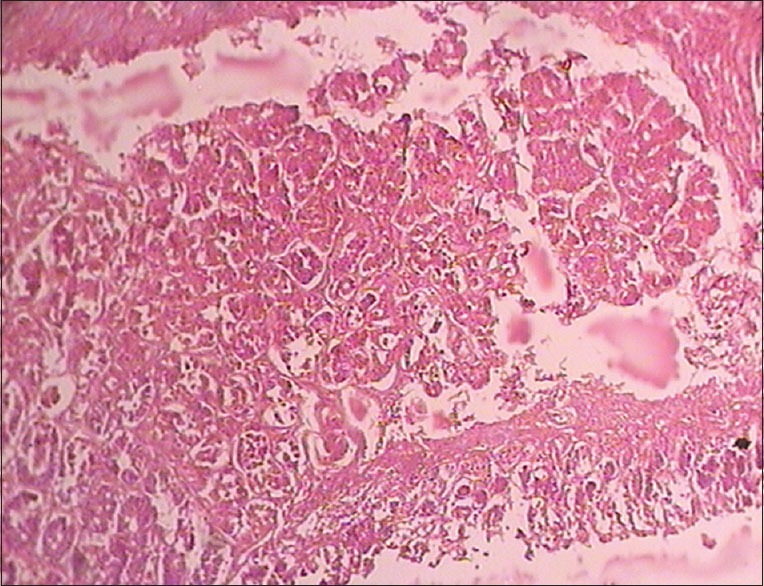
A total of 18 Wistar strain albino rats of both sexes grouped into three groups. Group C served as pyloric ligated control group, Group I received starch of C. angustifolia suspension and Group II received starch of M. arundinacea for seven days. On 8(th) day pylorus was ligated. After ligation the animals were deprived of food and water and sacrificed at the end of 14 h. The collected gastric contents were used for biochemical estimation and ulcer index was calculated from excised stomach.
Both the test drugs showed statistically significant decrease in the volume, increase in the pH, reduced the free acidity of gastric juice and decreased the peptic activity. The starch of C. angustifolia reduced a total acidity non-significantly while M. arundinacea reduced it significantly. Among the two drugs the M. arundinacea has effectively reduced the peptic activity, which is statistically significant. M. arundinacea shown statistically significant increase of total carbohydrates.
Both the test drugs proved anti-ulcer activity and prevents the chance of gastric ulcer. Among these two M. arundinacea is more effective.
在当今时代,由于生活方式的原因,胃酸过多和胃溃疡等疾病非常常见。从两种植物即狭叶姜黄(Curcuma angustifolia Roxb.)和竹芋(Maranta arundinacea Linn.)的根茎中提取的淀粉,在民间医学实践中以Tugaksheeree的名称用于治疗上述疾病。
比较上述两种药物对白化病大鼠幽门结扎诱导的胃溃疡的抗溃疡活性。
将18只Wistar品系的雌雄白化病大鼠分为三组。C组作为幽门结扎对照组,I组接受狭叶姜黄淀粉混悬液,II组接受竹芋淀粉,持续7天。在第8天结扎幽门。结扎后,动物禁食禁水,并在14小时结束时处死。收集胃内容物用于生化测定,并从切除的胃中计算溃疡指数。
两种受试药物均显示出胃液体积在统计学上显著减少、pH值升高、游离酸度降低和胃蛋白酶活性降低。狭叶姜黄淀粉对总酸度的降低无统计学意义,而竹芋淀粉则有显著降低。在这两种药物中,竹芋能有效降低胃蛋白酶活性,具有统计学意义。竹芋显示总碳水化合物有统计学意义的增加。
两种受试药物均证明具有抗溃疡活性,并可预防胃溃疡的发生。在这两种药物中,竹芋更有效。