Yadav Pankajkumar S, Yadav Ekta, Verma Amita, Amin Saima
Department of Pharmaceutical Sciences, Sam Higginbottom Institute of Agriculture, Technology & Sciences (SHIATS), Allahabad 211 007, India.
Department of Pharmaceutics, Faculty of Pharmacy, Hamdard University, New Delhi 110 062, India.
ScientificWorldJournal. 2014;2014:274823. doi: 10.1155/2014/274823. Epub 2014 Dec 16.
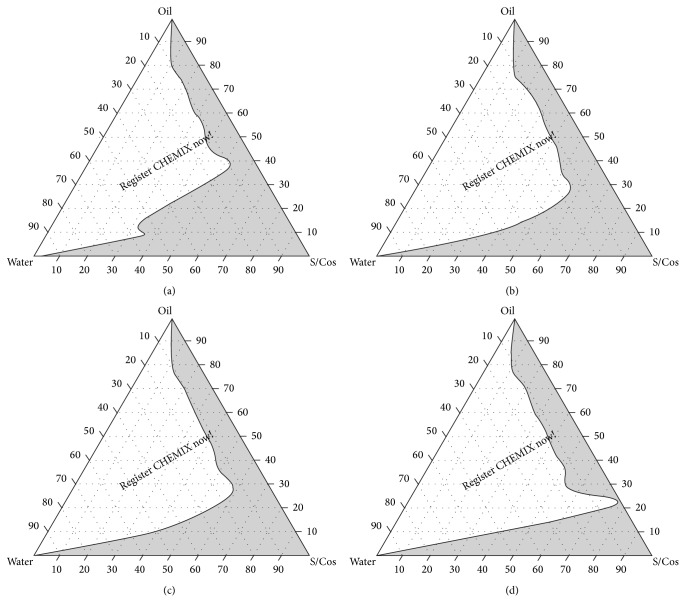
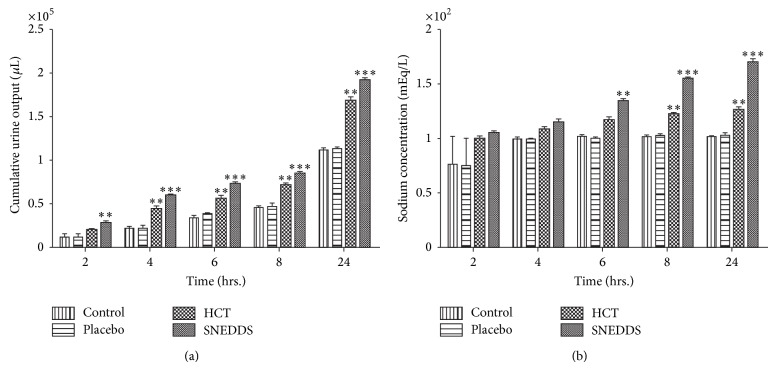
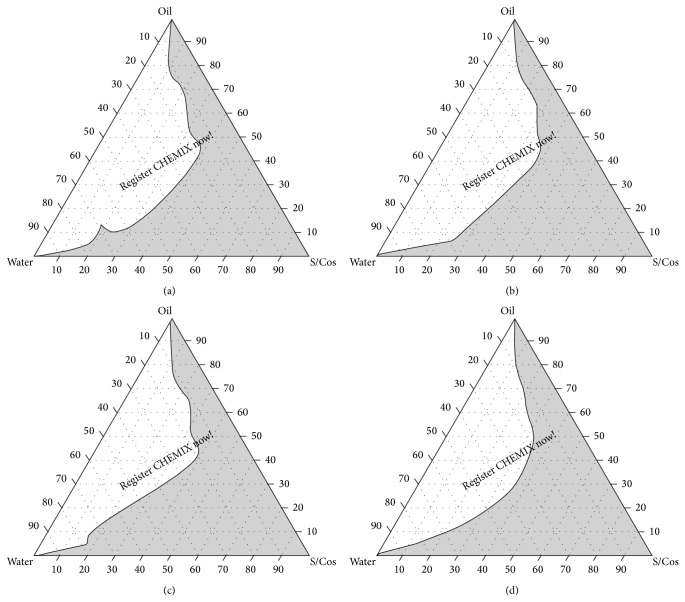
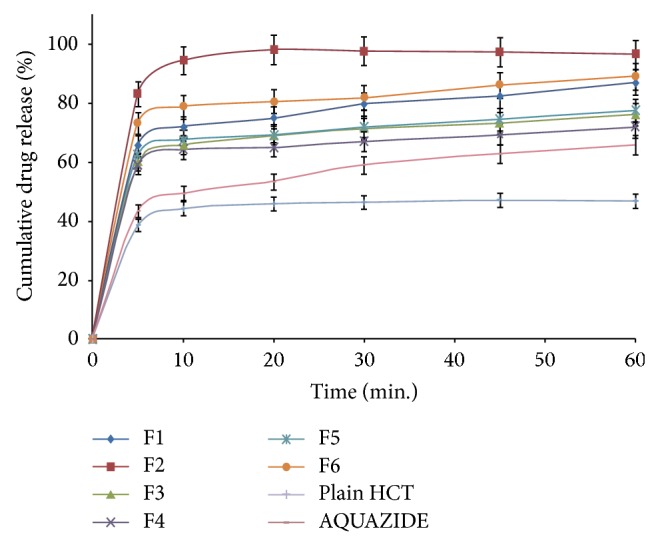
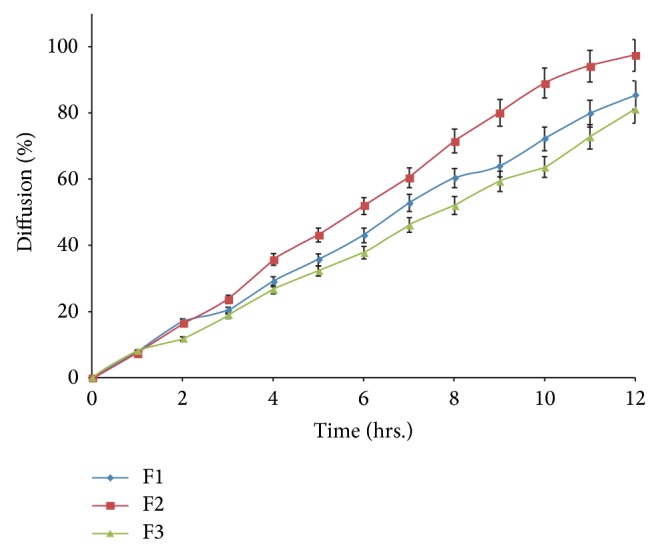
The objective of the current work was to develop optimized self-nanoemulsifying drug delivery systems (SNEDDS) and evaluate their in vitro and in vivo performance. The research comprised various studies which includes solubility studies in various vehicles, pseudoternary phase diagram construction, and preparation and characterization of SNEDDS along with in vitro dissolution and in vivo pharmacodynamic profiling. Based on dissolution profile, a remarkable increase in rate of dissolution was observed in comparison with plain drug and marketed formulation. Optimized SNEDDS formulation was composed of Capmul MCM (19.17% w/w), Tween 80 (57.5% w/w), Transcutol P (12.7% w/w), and HCT (4.17% w/w). In vivo pharmacodynamic evaluation in Wistar rats showed considerable increase in pharmacological effect of HCT by SNEDDS formulation as compared with plain HCT.
当前工作的目标是开发优化的自纳米乳化药物递送系统(SNEDDS),并评估其体外和体内性能。该研究包括各种实验,其中有在不同载体中的溶解度研究、伪三元相图构建、SNEDDS的制备与表征以及体外溶出和体内药效学分析。基于溶出曲线,与普通药物和市售制剂相比,溶出速率显著提高。优化的SNEDDS制剂由Capmul MCM(19.17% w/w)、吐温80(57.5% w/w)、肉豆蔻酸异丙酯(12.7% w/w)和氢氯噻嗪(HCT,4.17% w/w)组成。在Wistar大鼠体内进行的药效学评估显示,与普通HCT相比,SNEDDS制剂使HCT的药理作用显著增强。