Goyal Shikha, Kataria Tejinder
Division of Radiation Oncology, Medanta Cancer Institute, Medanta-The Medicity, Gurgaon, Haryana 122001, India.
Radiol Res Pract. 2014;2014:705604. doi: 10.1155/2014/705604. Epub 2014 Dec 17.
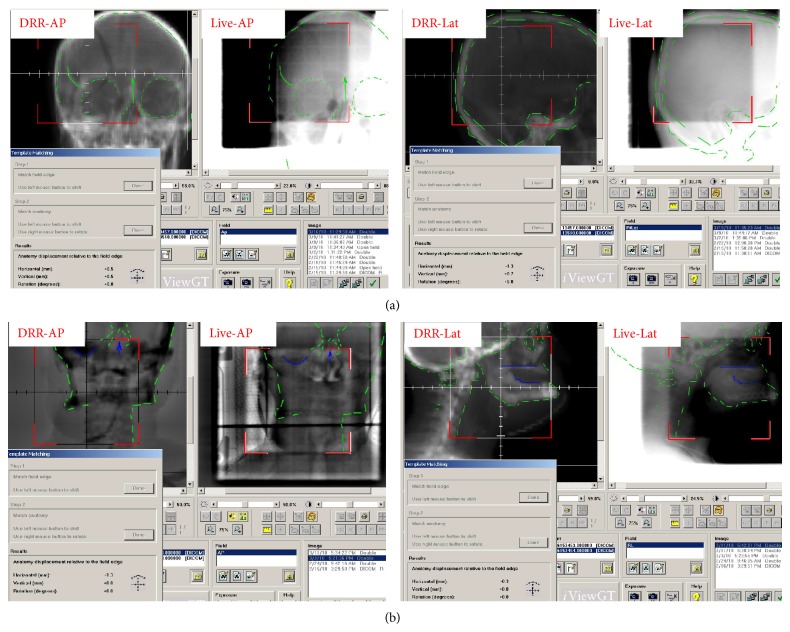
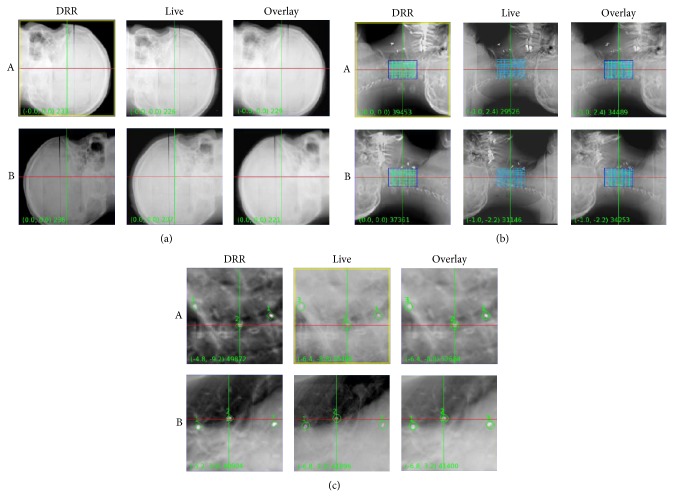
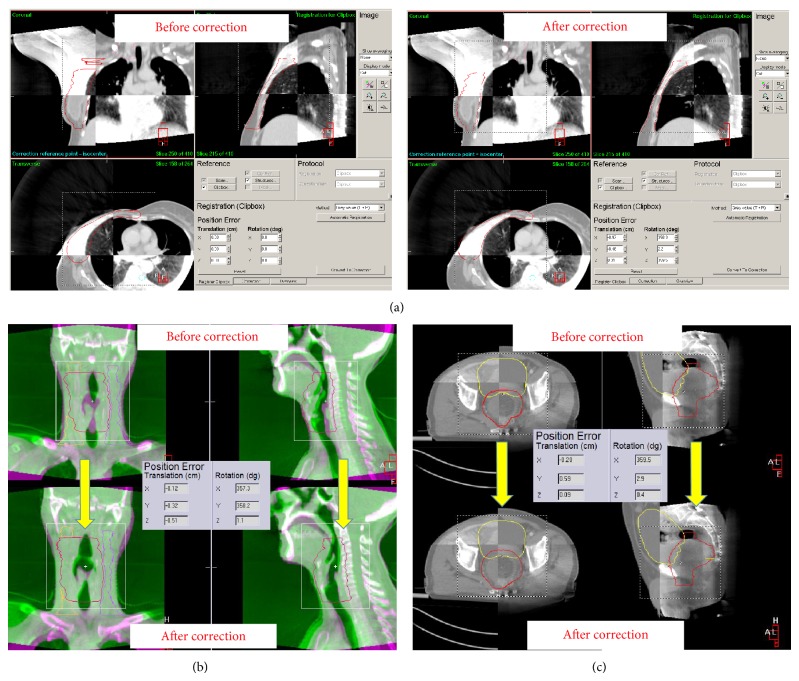
In modern day radiotherapy, the emphasis on reduction on volume exposed to high radiotherapy doses, improving treatment precision as well as reducing radiation-related normal tissue toxicity has increased, and thus there is greater importance given to accurate position verification and correction before delivering radiotherapy. At present, several techniques that accomplish these goals impeccably have been developed, though all of them have their limitations. There is no single method available that eliminates treatment-related uncertainties without considerably adding to the cost. However, delivering "high precision radiotherapy" without periodic image guidance would do more harm than treating large volumes to compensate for setup errors. In the present review, we discuss the concept of image guidance in radiotherapy, the current techniques available, and their expected benefits and pitfalls.
在现代放射治疗中,人们越来越强调减少高放射剂量照射的体积、提高治疗精度以及降低与辐射相关的正常组织毒性,因此在进行放射治疗前准确的位置验证和校正变得更加重要。目前,已经开发出了几种能够完美实现这些目标的技术,不过它们都有各自的局限性。没有一种单一的方法能够在不显著增加成本的情况下消除与治疗相关的不确定性。然而,在没有定期图像引导的情况下进行“高精度放射治疗”,造成的危害可能比为了补偿摆位误差而对大体积组织进行治疗更大。在本综述中,我们讨论了放射治疗中图像引导的概念、现有的技术及其预期的益处和缺陷。