Solovei Dmitry, Žák Jaromír, Majzlíková Petra, Sedláček Jiří, Hubálek Jaromír
Centre of Sensors, Information and Communication Systems, Faculty of Electrical Engineering and Communication, Brno University of Technology, Technická 3058/10, CZ‑61600 Brno, Czech Republic.
Sensors (Basel). 2015 Jan 14;15(1):1479-95. doi: 10.3390/s150101479.
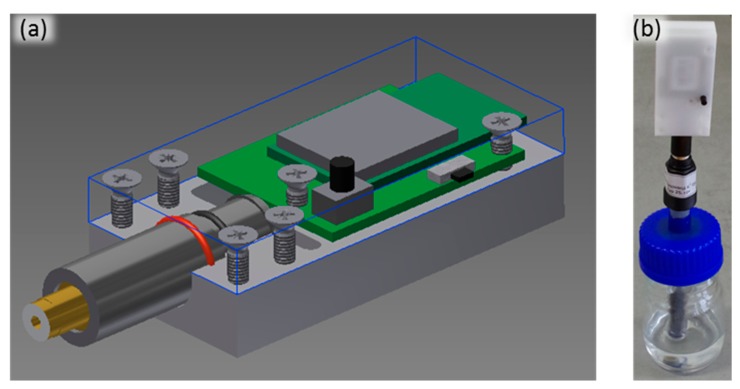
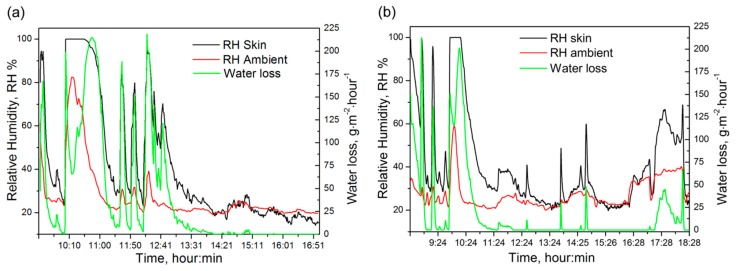
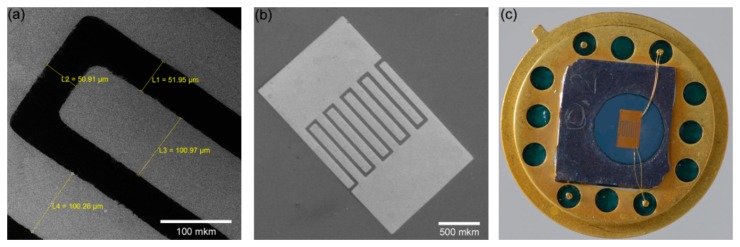
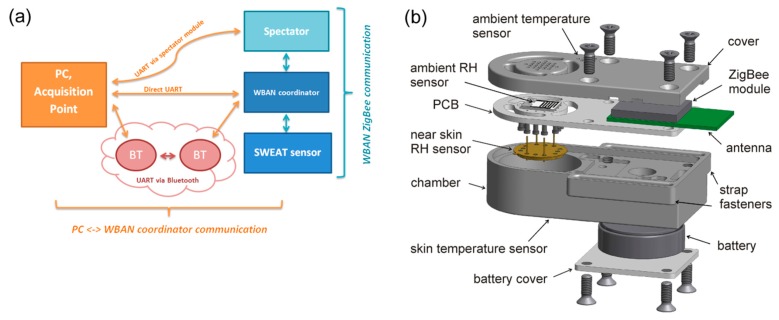
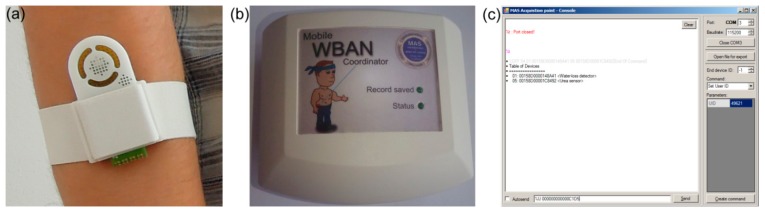
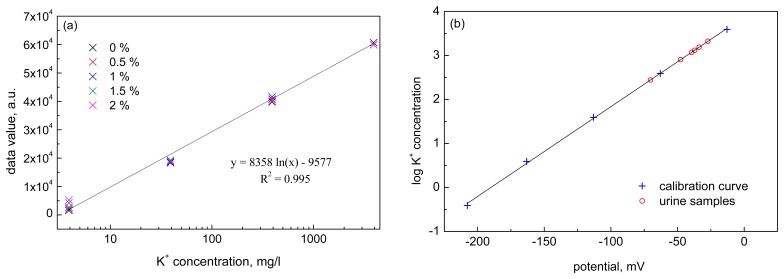
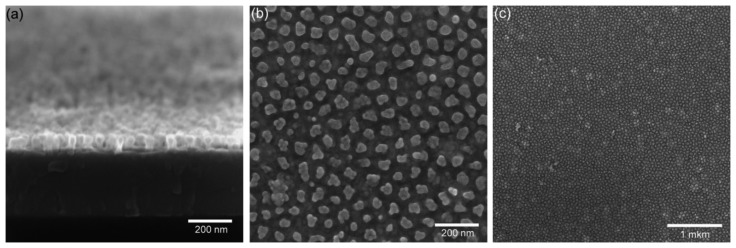
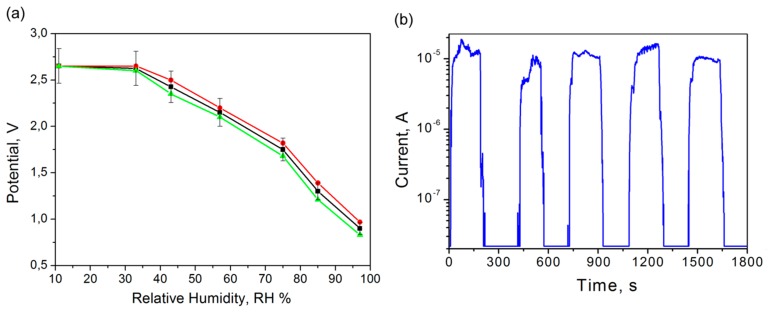
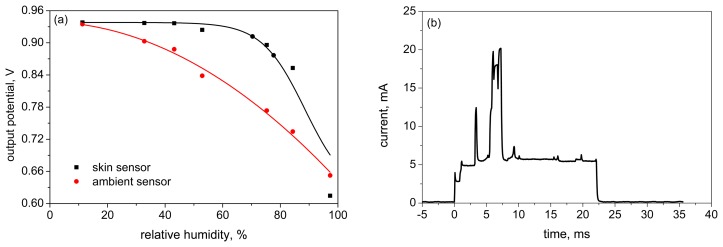
A non-invasive solution for monitoring of the activity and dehydration of organisms is proposed in the work. For this purpose, a wireless standalone chemical sensor platform using two separate measurement techniques has been developed. The first approach for activity monitoring is based on humidity measurement. Our solution uses new humidity sensor based on a nanostructured TiO2 surface for sweat rate monitoring. The second technique is based on monitoring of potassium concentration in urine. High level of potassium concentration denotes clear occurrence of dehydration. Furthermore, a Wireless Body Area Network (WBAN) was developed for this sensor platform to manage data transfer among devices and the internet. The WBAN coordinator controls the sensor devices and collects and stores the measured data. The collected data is particular to individuals and can be shared with physicians, emergency systems or athletes' coaches. Long-time monitoring of activity and potassium concentration in urine can help maintain the appropriate water intake of elderly people or athletes and to send warning signals in the case of near dehydration. The created sensor system was calibrated and tested in laboratory and real conditions as well. The measurement results are discussed.
这项工作提出了一种用于监测生物体活动和脱水情况的非侵入性解决方案。为此,开发了一个使用两种独立测量技术的无线独立化学传感器平台。活动监测的第一种方法基于湿度测量。我们的解决方案使用基于纳米结构二氧化钛表面的新型湿度传感器来监测出汗率。第二种技术基于监测尿液中的钾浓度。高浓度的钾表示明显出现脱水。此外,还为该传感器平台开发了一个无线体域网(WBAN),以管理设备与互联网之间的数据传输。WBAN协调器控制传感器设备并收集和存储测量数据。收集到的数据是特定于个人的,可以与医生、应急系统或运动员教练共享。对活动和尿液中钾浓度的长期监测有助于维持老年人或运动员适当的水分摄入,并在接近脱水时发出警告信号。所创建的传感器系统也在实验室和实际条件下进行了校准和测试。讨论了测量结果。