Kim Chan Kyo
Department of Radiology and Center for Imaging Science, Samsung Medical Center, Sungkyunkwan University School of Medicine, Seoul 135-710, Korea.
Korean J Radiol. 2015 Jan-Feb;16(1):90-8. doi: 10.3348/kjr.2015.16.1.90. Epub 2015 Jan 9.
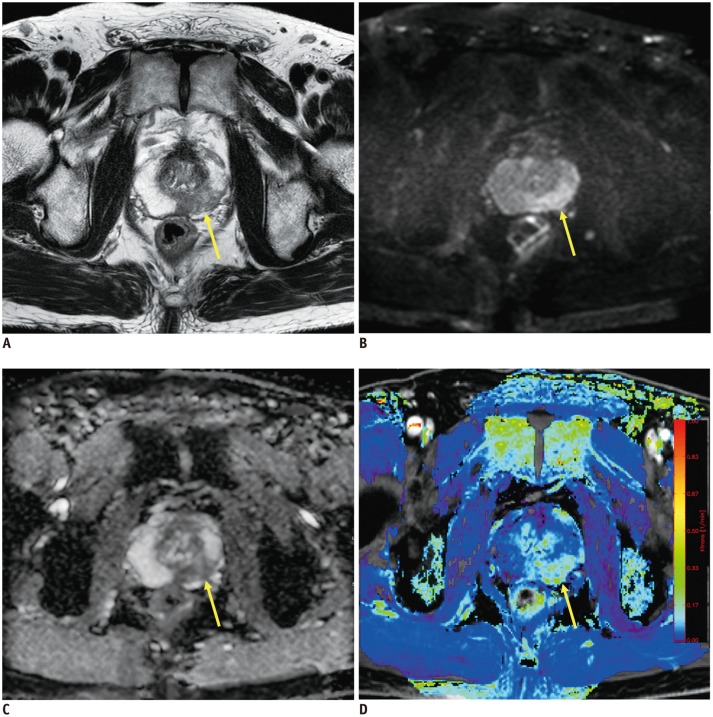
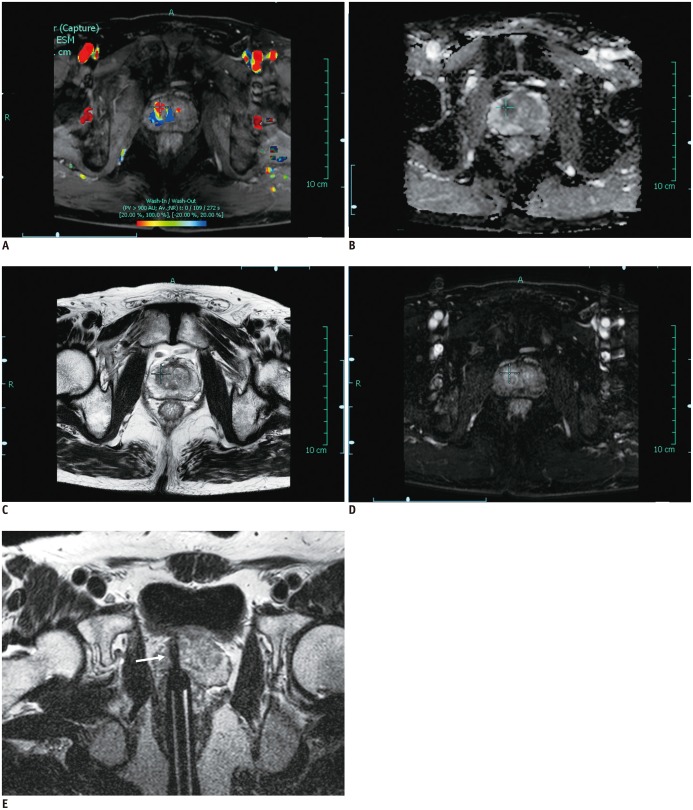
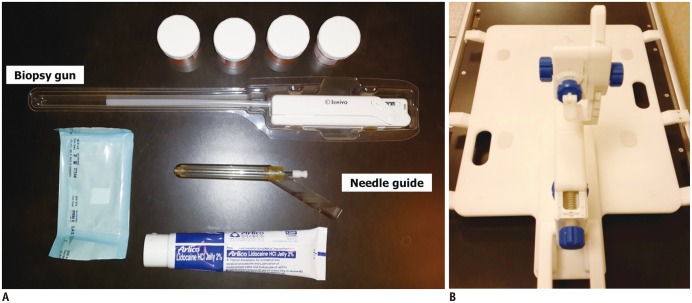
Systemic transrectal ultrasound-guided biopsy (TRUSBx) is the standard procedure for diagnosing prostate cancer (PCa), but reveals a limited accuracy for the detection of cancer. Currently, multiparametric MR imaging (mp-MRI) is increasingly regarded as a promising method to detect PCa with an excellent positive predictive value. The use of mp-MRI during a MRI-guided biopsy (MRGB) procedure improves the quality of a targeted biopsy. The aim of this article is to provide an overview about the MRGB technique for PCa detection, to review the accuracy and clinical indications of MRGB and discuss its current issues and further directions. A MRGB seems accurate and efficient for the detection of clinically significant PCa in men with previous negative TRUSBx. Moreover, it may decrease the detection of clinically insignificant cancers with fewer biopsy cores.
系统性经直肠超声引导下活检(TRUSBx)是诊断前列腺癌(PCa)的标准程序,但在检测癌症方面准确性有限。目前,多参数磁共振成像(mp-MRI)越来越被视为一种具有出色阳性预测价值的检测PCa的有前景的方法。在磁共振成像引导下活检(MRGB)过程中使用mp-MRI可提高靶向活检的质量。本文旨在概述用于PCa检测的MRGB技术,回顾MRGB的准确性和临床适应证,并讨论其当前问题和未来方向。对于既往TRUSBx结果为阴性的男性,MRGB在检测临床显著性PCa方面似乎准确且高效。此外,它可能减少活检针数较少时对临床意义不大的癌症的检测。