Zhang Q, Shuwen G, Zhang J, Fane A G, Kjelleberg S, Rice S A, McDougald D
Advanced Environmental Biotechnology Centre, Nanyang Environment and Water Research Institute, Nanyang Technological University, Singapore City, Singapore; School of Biological Sciences, Nanyang Technological University, Singapore City, Singapore.
J Appl Microbiol. 2015 Apr;118(4):940-53. doi: 10.1111/jam.12759. Epub 2015 Feb 15.
Membrane distillation bioreactors (MDBR) have potential for industrial applications where wastewater is hot or waste heat is available, but the role of micro-organisms in MDBRs has never been determined, and thus was the purpose of this study.
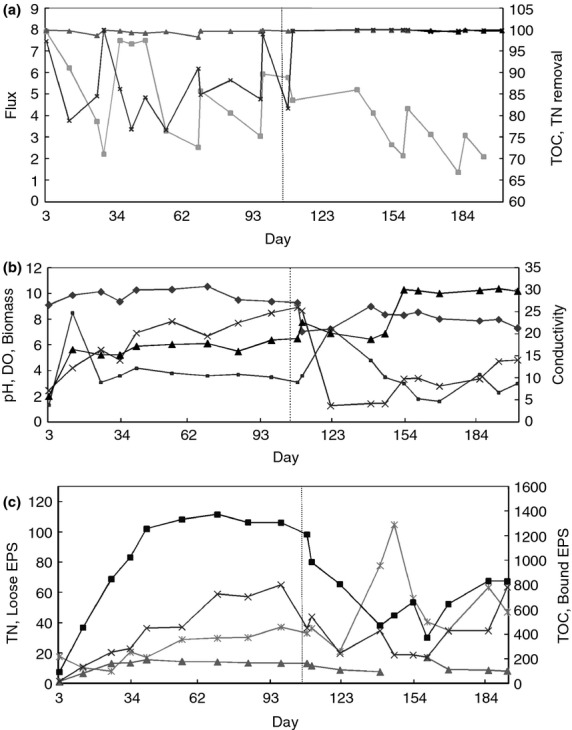
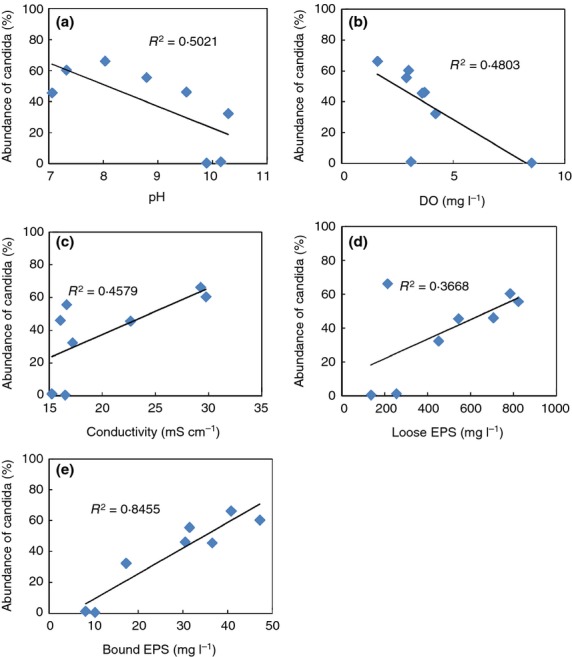
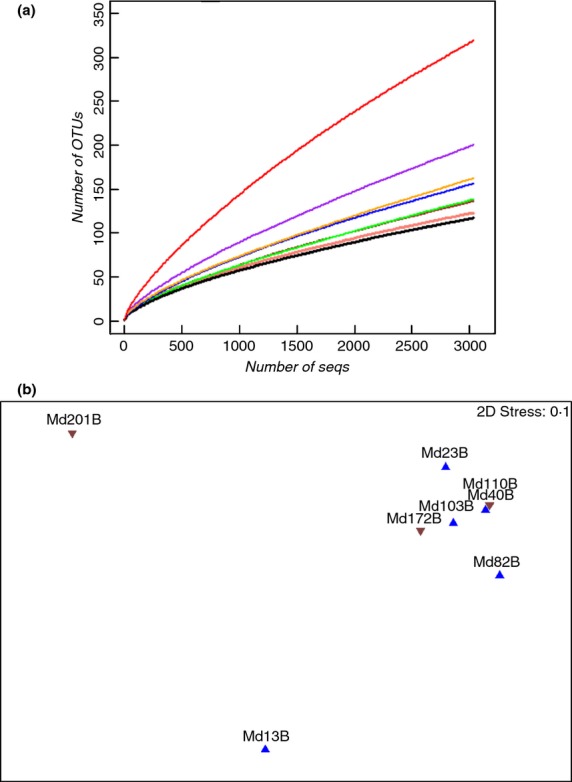
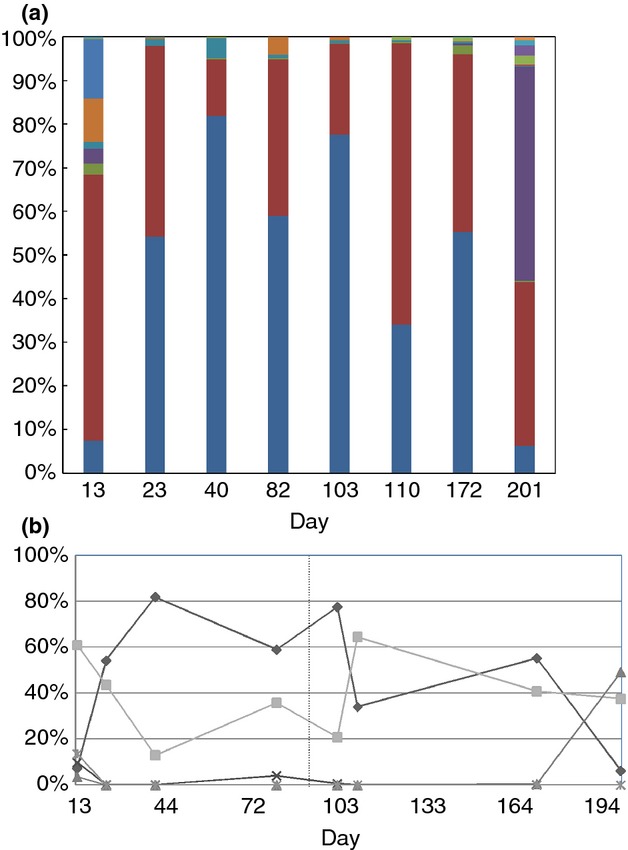
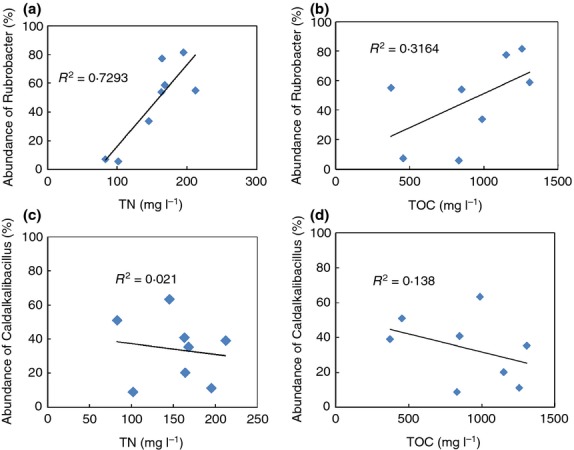
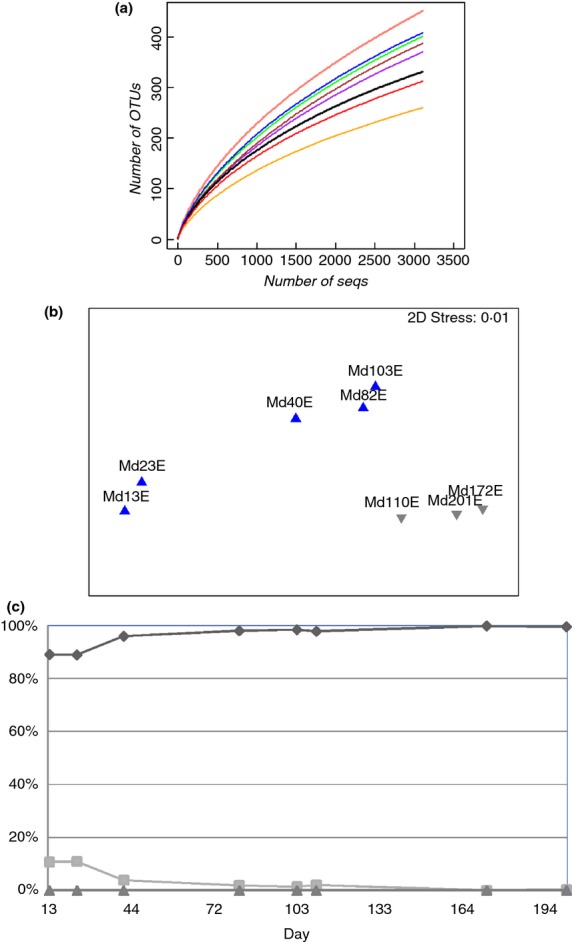
Microbial communities were characterized by bacterial and archaeal 16S and eukaryotic 18S rRNA gene tag-encoded pyrosequencing of DNA obtained from sludge. Taxonomy-independent analysis revealed that bacterial communities had a relatively low richness and diversity, and community composition strongly correlated with conductivity, total nitrogen and bound extracellular polymeric substances (EPS). Taxonomy-dependent analysis revealed that Rubrobacter and Caldalkalibacillus were abundant members of the bacterial community, but no archaea were detected. Eukaryotic communities had a relatively high richness and diversity, and both changes in community composition and abundance of the dominant genus, Candida, correlated with bound EPS.
Thermophilic MDBR communities were comprised of a low diversity bacterial community and a highly diverse eukaryotic community with no archea detected. Communities exhibited low resilience to changes in operational parameters. Specifically, retenatate nutrient composition and concentration was strongly correlated with the dominant species.
This study provides an understanding of microbial community diversity in an MDBR, which is fundamental to the optimization of reactor performance.
膜蒸馏生物反应器(MDBR)在废水温度较高或有废热可用的工业应用中具有潜力,但微生物在MDBR中的作用尚未确定,本研究旨在解决这一问题。
通过对从污泥中提取的DNA进行细菌和古菌16S以及真核生物18S rRNA基因标签编码焦磷酸测序来表征微生物群落。非分类学分析表明,细菌群落的丰富度和多样性相对较低,群落组成与电导率、总氮和结合态胞外聚合物(EPS)密切相关。分类学分析表明,红杆菌属和嗜碱芽孢杆菌属是细菌群落中的优势成员,但未检测到古菌。真核生物群落的丰富度和多样性相对较高,群落组成的变化以及优势属念珠菌属的丰度均与结合态EPS相关。
嗜热MDBR群落由多样性较低的细菌群落和多样性较高的真核生物群落组成,未检测到古菌。群落对运行参数变化的恢复力较低。具体而言,截留液营养成分和浓度与优势物种密切相关。
本研究有助于了解MDBR中的微生物群落多样性,这对于优化反应器性能至关重要。