Peng Shuai, Yin Jigang, Liu Xiaolei, Jia Boyin, Chang Zhiguang, Lu Huijun, Jiang Ning, Chen Qijun
Key Laboratory of Zoonosis, Ministry of Education, College of Veterinary Medicine, Jilin University, Xi An Da Lu 5333, Changchun, 130062, China.
J Appl Genet. 2015 Aug;56(3):393-401. doi: 10.1007/s13353-014-0258-1. Epub 2015 Jan 21.
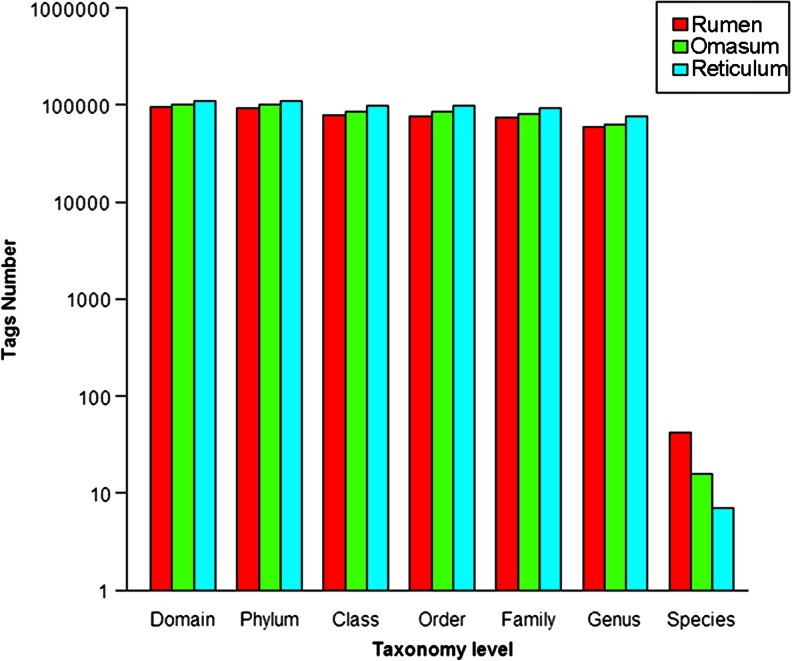
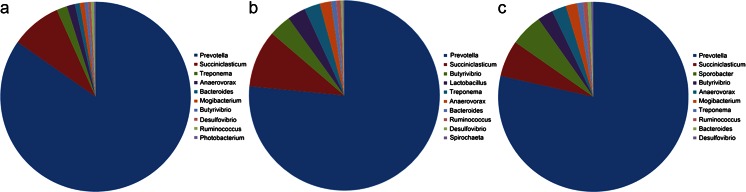
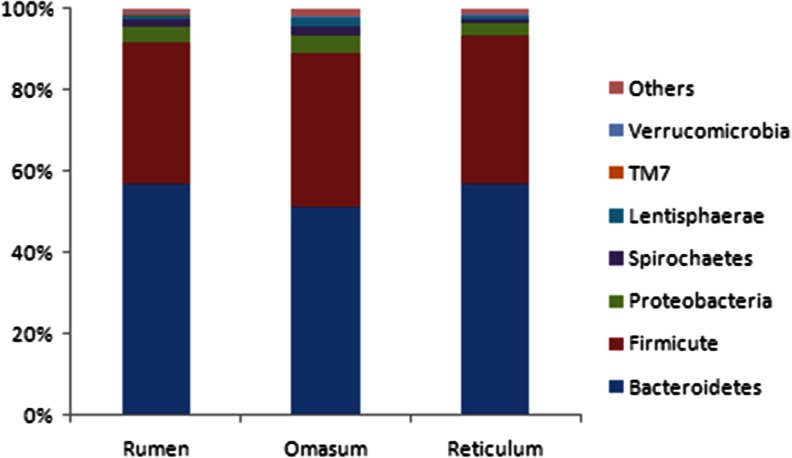
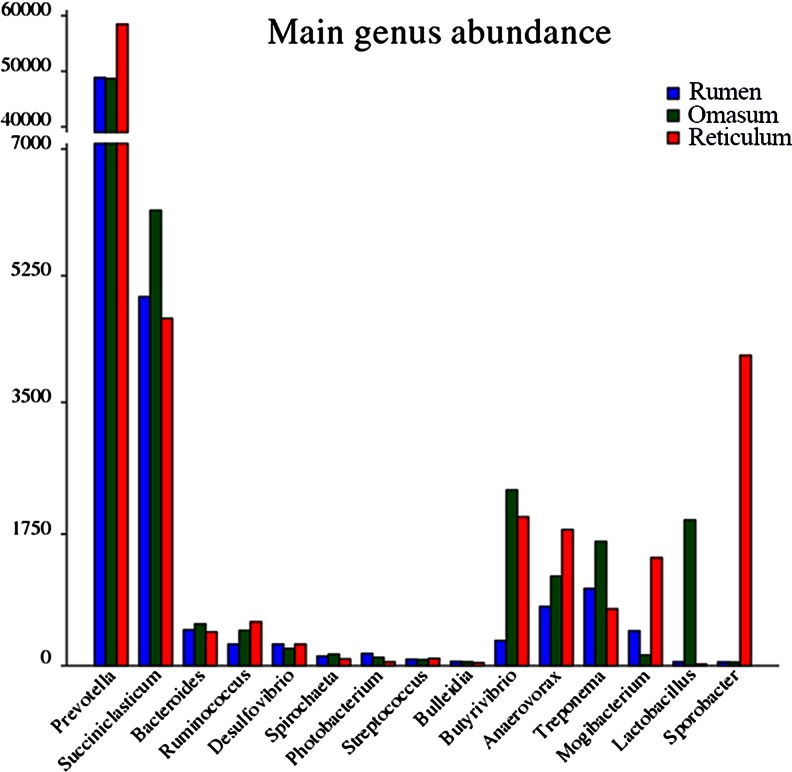
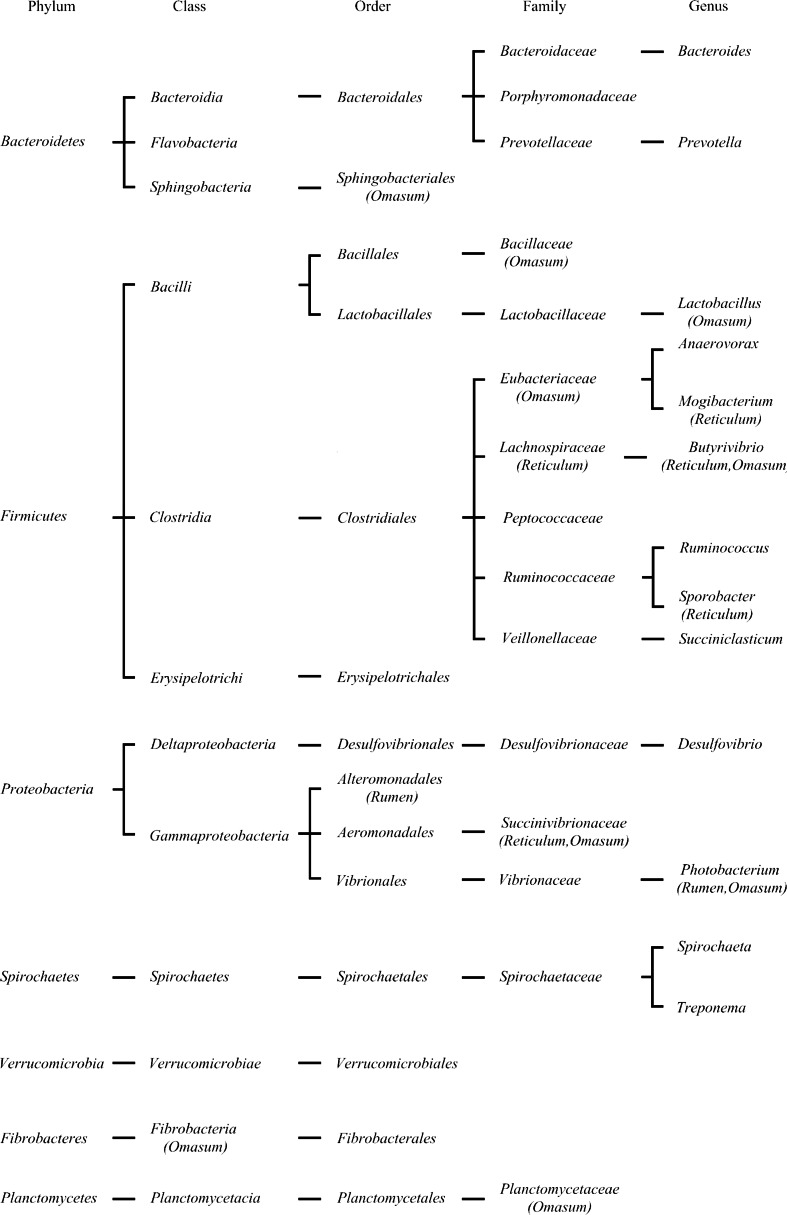
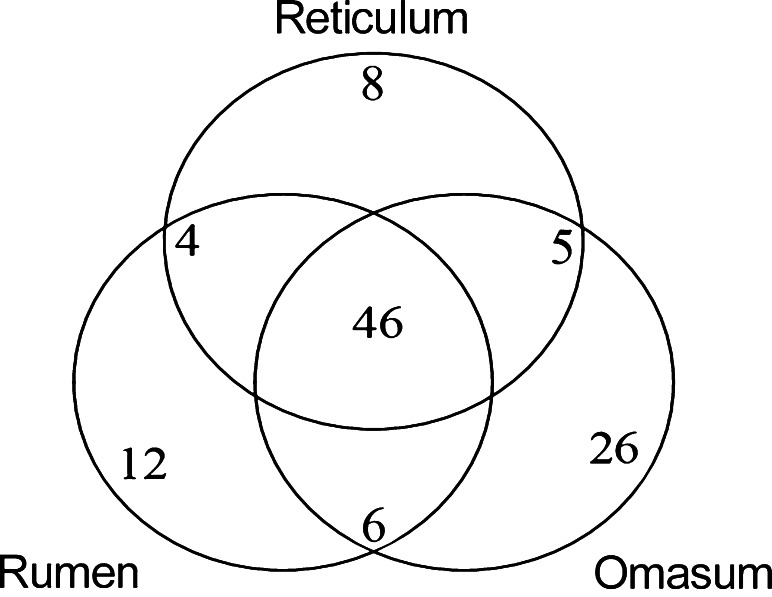
The digestive systems of mammals harbor a complex gut microbiome, comprising bacteria and other microorganisms that confer metabolic and immunological benefits to the host. Ruminants that digest plant-based foods have a four-compartment stomach consisting of the rumen, reticulum, omasum, and abomasum. The microorganisms in the stomach are essential for providing the host with critical nutrients. However, the majority of these microorganisms are unknown species. The microbiome of the stomach is diverse, and the majority of these organisms cannot be cultured. Next-generation sequencing (NGS) combined with bioinformatic analysis tools have allowed the dissection of the composition of the microbiome in samples collected from a specific environment. In this study, for the first time, the bacterial composition in two compartments, the reticulum and the omasum, of bovine were analyzed using a metagenomic approach and compared to the bacterial composition of the rumen. These data will assist in understanding the biology of ruminants and benefit the agricultural industry. The diversity and composition of the bacterial community in samples collected from the rumen, reticulum, and omasum of bovines in the Changchun Region of Northeast China were analyzed by sequencing the V3 region of the 16S rRNA gene using a barcoded Illumina paired-end sequencing technique, and the primary composition of the microbiome in the rumen, reticulum, and omasum of the bovines was determined. These microbiomes contained 17 phyla and 107 genera in all three samples. Five phyla, Bacteroidetes, Firmicutes, Proteobacteria, Spirochaetes, and Lentisphaerae, were the most abundant taxonomic groups. Additionally, the different stomach compartments harbored different compositions of the microorganisms.
哺乳动物的消化系统中存在着复杂的肠道微生物群,其中包含细菌和其他微生物,它们为宿主带来代谢和免疫方面的益处。反刍动物以植物性食物为食,其胃有四个腔室,分别是瘤胃、网胃、重瓣胃和皱胃。胃中的微生物对于为宿主提供关键营养物质至关重要。然而,这些微生物中的大多数是未知物种。胃中的微生物群种类繁多,且大多数微生物无法进行培养。新一代测序(NGS)与生物信息学分析工具相结合,使得从特定环境中采集的样本中的微生物群组成得以剖析。在本研究中,首次采用宏基因组学方法分析了牛的网胃和重瓣胃这两个腔室中的细菌组成,并与瘤胃的细菌组成进行了比较。这些数据将有助于理解反刍动物的生物学特性,并造福于农业产业。利用条形码Illumina双端测序技术对中国东北长春地区牛的瘤胃、网胃和重瓣胃中采集的样本的16S rRNA基因的V3区域进行测序,分析了细菌群落的多样性和组成,并确定了牛的瘤胃、网胃和重瓣胃中微生物群的主要组成。所有三个样本中的这些微生物群包含17个门和107个属。五个门,即拟杆菌门、厚壁菌门、变形菌门、螺旋体门和浮霉菌门,是最丰富的分类群。此外,不同的胃腔室中微生物的组成不同。