Fausel Rebecca, Afzali Anita
Division of Gastroenterology, Department of Medicine, University of Washington, Seattle, WA, USA.
Division of Gastroenterology, Department of Medicine, University of Washington, Seattle, WA, USA ; Inflammatory Bowel Disease Program, UW Medicine - Harborview Medical Center, Seattle, WA, USA.
Ther Clin Risk Manag. 2015 Jan 5;11:63-73. doi: 10.2147/TCRM.S55506. eCollection 2015.
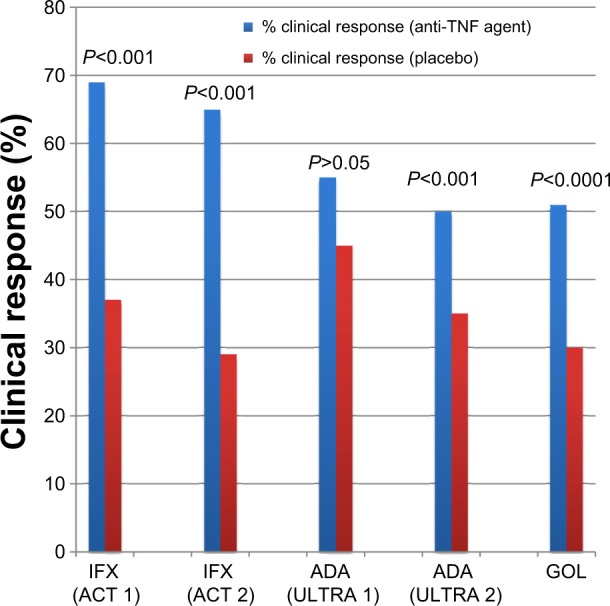
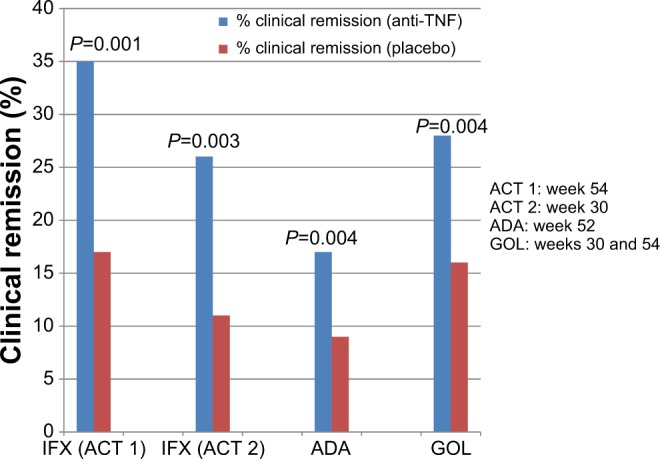
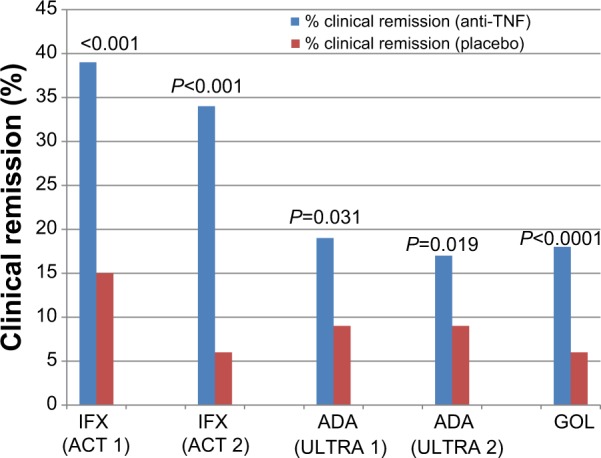
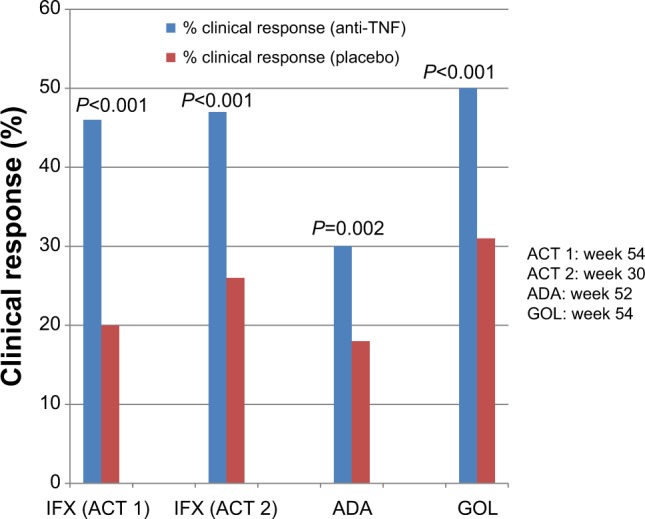
Ulcerative colitis can cause debilitating symptoms and complications such as colonic strictures, colonic dysplasia, colorectal cancer, and toxic megacolon or perforation. Goals of treatment in ulcerative colitis include resolution of gastrointestinal symptoms, healing of colonic mucosa, and prevention of disease complications. Our treatment armamentarium has expanded dramatically over the past 10 years, and we now have multiple biologic agents approved for the treatment of moderate-severe disease, in addition to conventional therapies such as 5-aminosalicylates, thiopurines, and corticosteroids. In this review, we will provide a detailed discussion of the three tumor necrosis factor-alpha (TNF-α) inhibitors currently approved for treatment of ulcerative colitis: infliximab, adalimumab, and golimumab. All three agents are effective for inducing and maintaining clinical response and remission in patients with ulcerative colitis, and they have comparable safety profiles. There are no head-to-head trials comparing their efficacy, and the choice of agent is most often based on insurance coverage, route of administration, and patient preference. Combination therapy with an immunomodulator is proven to be more effective than anti-TNF monotherapy, and patients who lose response to an anti-TNF agent should undergo dose intensification in order to regain clinical response. Despite therapeutic optimization, a significant percentage of patients will not achieve clinical remission with anti-TNF agents, and so newer therapies are on the horizon.
溃疡性结肠炎可导致使人衰弱的症状和并发症,如结肠狭窄、结肠发育异常、结直肠癌以及中毒性巨结肠或穿孔。溃疡性结肠炎的治疗目标包括缓解胃肠道症状、治愈结肠黏膜以及预防疾病并发症。在过去10年里,我们的治疗手段有了显著扩展,除了5-氨基水杨酸类、硫唑嘌呤和皮质类固醇等传统疗法外,我们现在还有多种获批用于治疗中重度疾病的生物制剂。在这篇综述中,我们将详细讨论目前获批用于治疗溃疡性结肠炎的三种肿瘤坏死因子-α(TNF-α)抑制剂:英夫利昔单抗、阿达木单抗和戈利木单抗。这三种药物对诱导和维持溃疡性结肠炎患者的临床反应及缓解均有效,且它们的安全性相当。目前尚无比较它们疗效的直接对比试验,药物的选择通常基于保险覆盖范围、给药途径和患者偏好。事实证明,与免疫调节剂联合治疗比抗TNF单药治疗更有效,对抗TNF药物失去反应的患者应增加剂量以恢复临床反应。尽管进行了治疗优化,但仍有相当比例的患者使用抗TNF药物无法实现临床缓解,因此新的疗法即将出现。