Wang Yue, Yang Qiuping, Wang Zhimin
Department of Plant Science, School of Agriculture and Biology, Shanghai Jiao Tong University Shanghai, China.
Front Genet. 2015 Jan 7;5:449. doi: 10.3389/fgene.2014.00449. eCollection 2014.
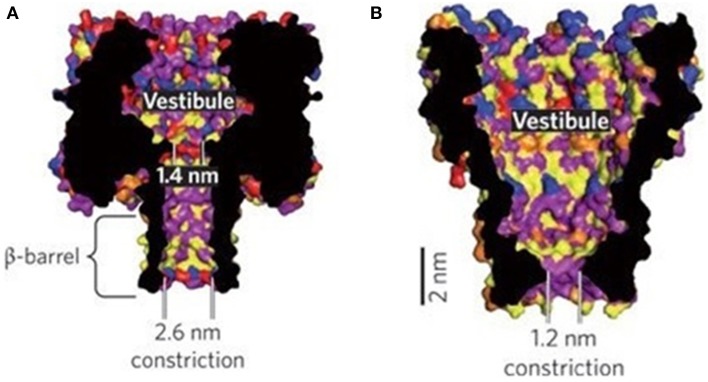
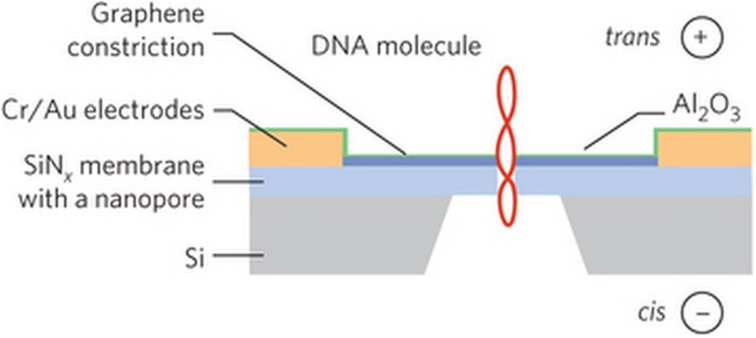
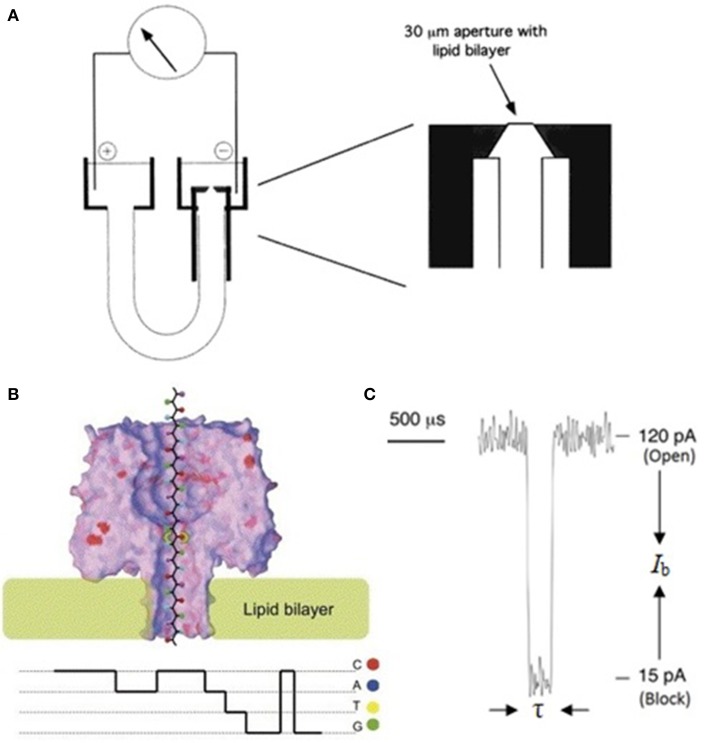
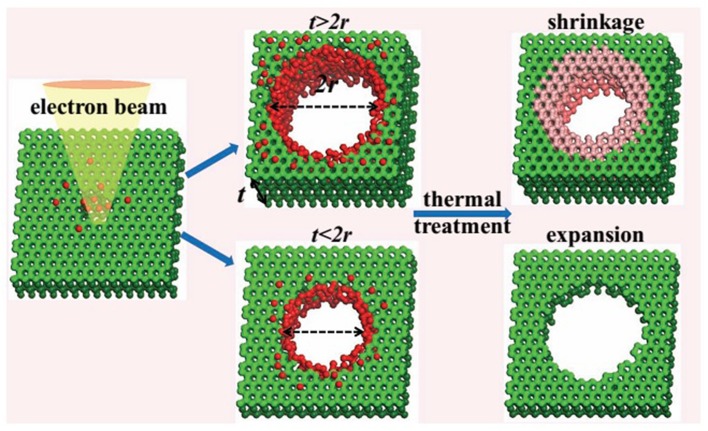
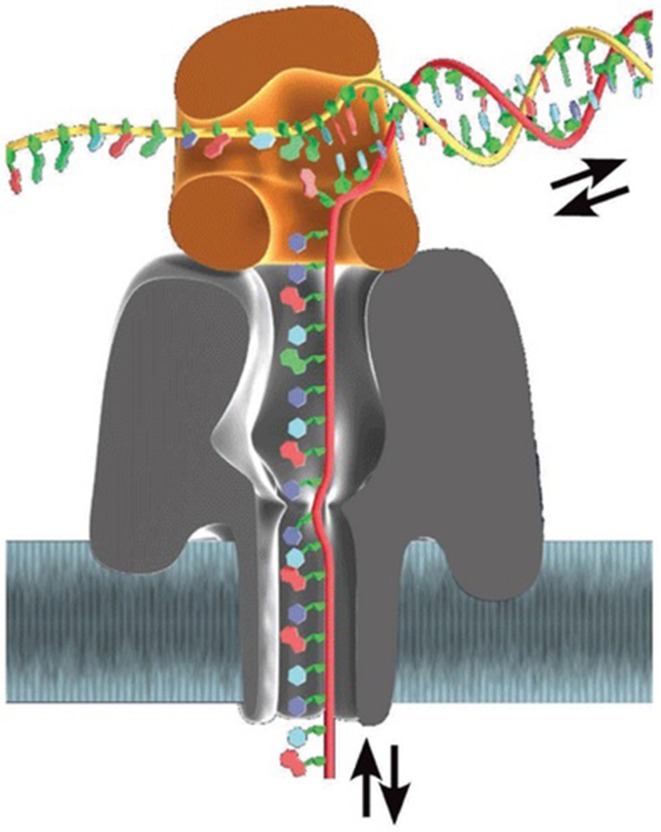
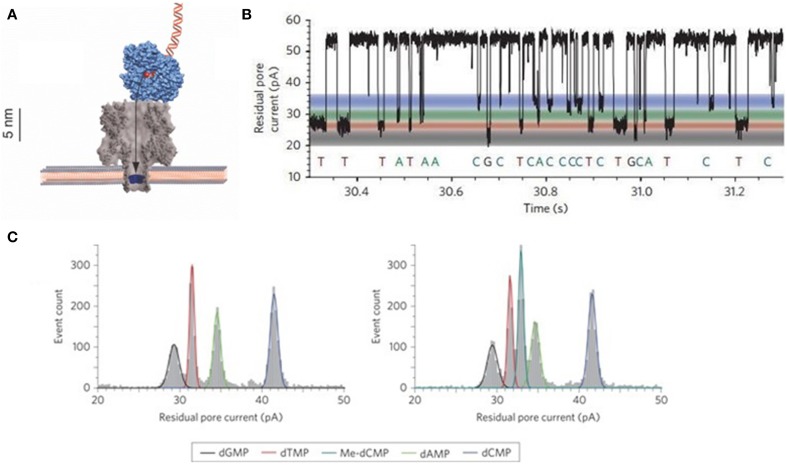
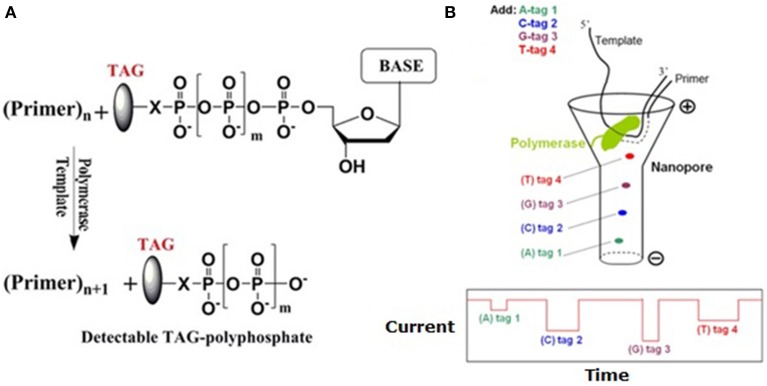
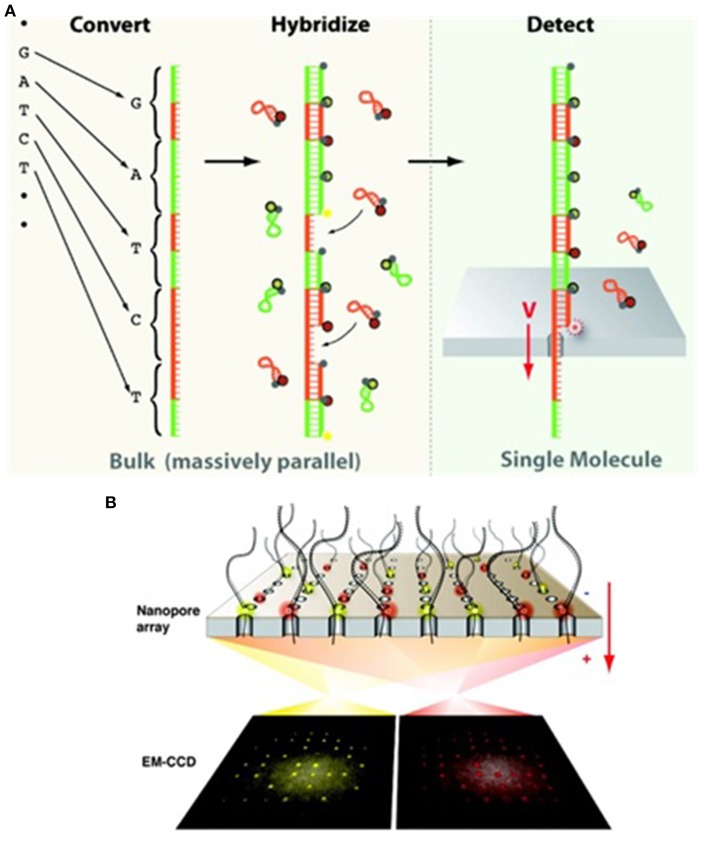
The "$1000 Genome" project has been drawing increasing attention since its launch a decade ago. Nanopore sequencing, the third-generation, is believed to be one of the most promising sequencing technologies to reach four gold standards set for the "$1000 Genome" while the second-generation sequencing technologies are bringing about a revolution in life sciences, particularly in genome sequencing-based personalized medicine. Both of protein and solid-state nanopores have been extensively investigated for a series of issues, from detection of ionic current blockage to field-effect-transistor (FET) sensors. A newly released protein nanopore sequencer has shown encouraging potential that nanopore sequencing will ultimately fulfill the gold standards. In this review, we address advances, challenges, and possible solutions of nanopore sequencing according to these standards.
“千美元基因组”计划自十年前启动以来,一直备受关注。第三代纳米孔测序被认为是最有希望达到“千美元基因组”所设定的四项黄金标准的测序技术之一,而第二代测序技术正在生命科学领域引发一场革命,尤其是在基于基因组测序的个性化医疗方面。蛋白质纳米孔和固态纳米孔都已针对一系列问题进行了广泛研究,从离子电流阻断检测到场效应晶体管(FET)传感器。新发布的蛋白质纳米孔测序仪已显示出令人鼓舞的潜力,表明纳米孔测序最终将达到黄金标准。在本综述中,我们根据这些标准阐述了纳米孔测序的进展、挑战及可能的解决方案。