Johnson Erica L, Chu Hin, Byrareddy Siddappa Nagadenahalli, Spearman Paul, Chakraborty Rana
Department of Pediatrics, Emory University School of Medicine, Atlanta, GA, USA.
Department of Pathology & Laboratory Medicine, Emory University School of Medicine Atlanta, GA, USA; Emory Vaccine Center, Emory University School of Medicine Atlanta, GA, USA.
J Int AIDS Soc. 2015 Jan 22;18(1):19385. doi: 10.7448/IAS.18.1.19385. eCollection 2015.
Within monocyte-derived macrophages, HIV-1 accumulates in intracellular virus-containing compartments (VCCs) that are inaccessible to the external environment, which implicate these cells as latently infected HIV-1 reservoirs. During mother-to-child transmission of HIV-1, human placental macrophages (Hofbauer cells (HCs)) are viral targets, and have been shown to be infected in vivo and sustain low levels of viral replication in vitro; however, the risk of in utero transmission is less than 7%. The role of these primary macrophages as viral reservoirs is largely undefined. The objective of this study is to define potential sites of viral assembly, accumulation and neutralization in HCs given the pivotal role of the placenta in preventing HIV-1 infection in the mother-infant dyad.
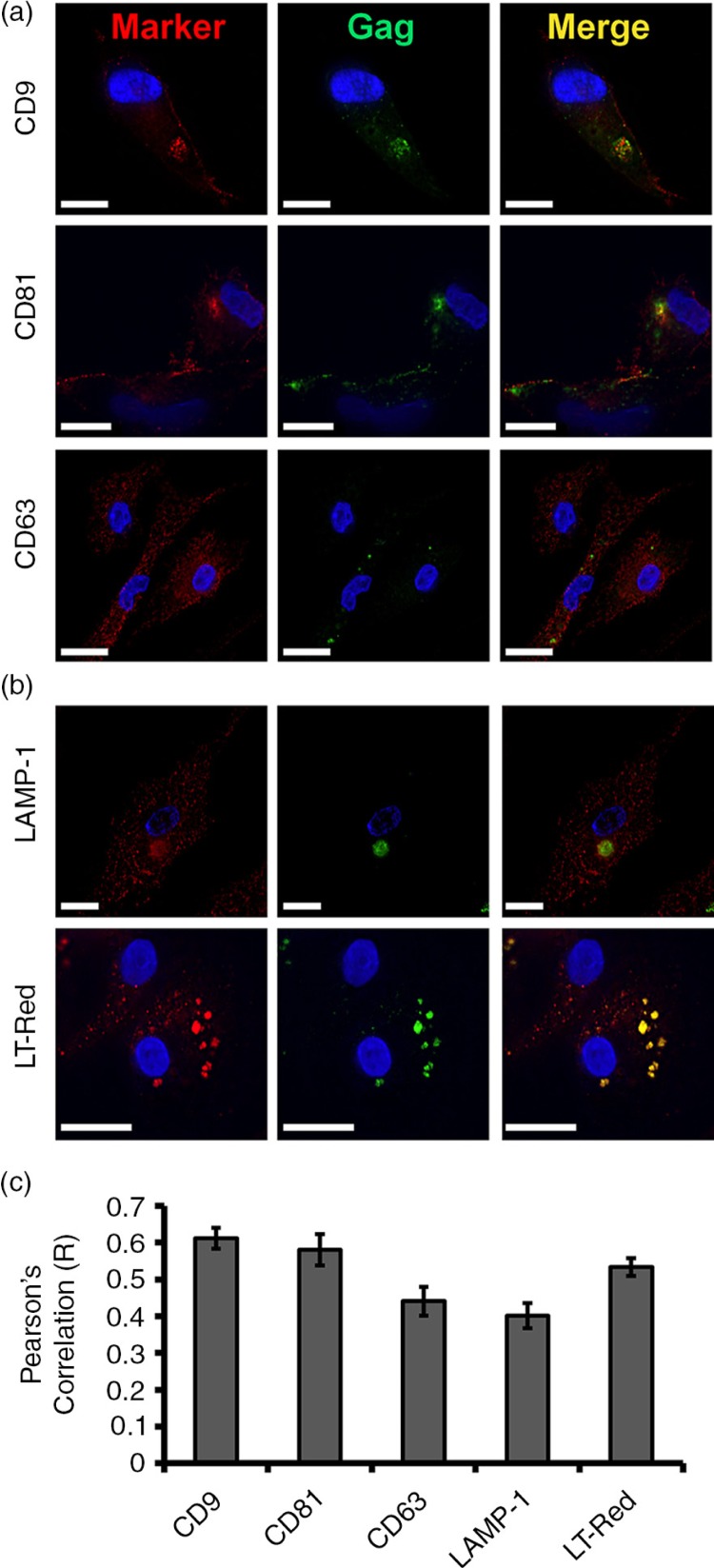
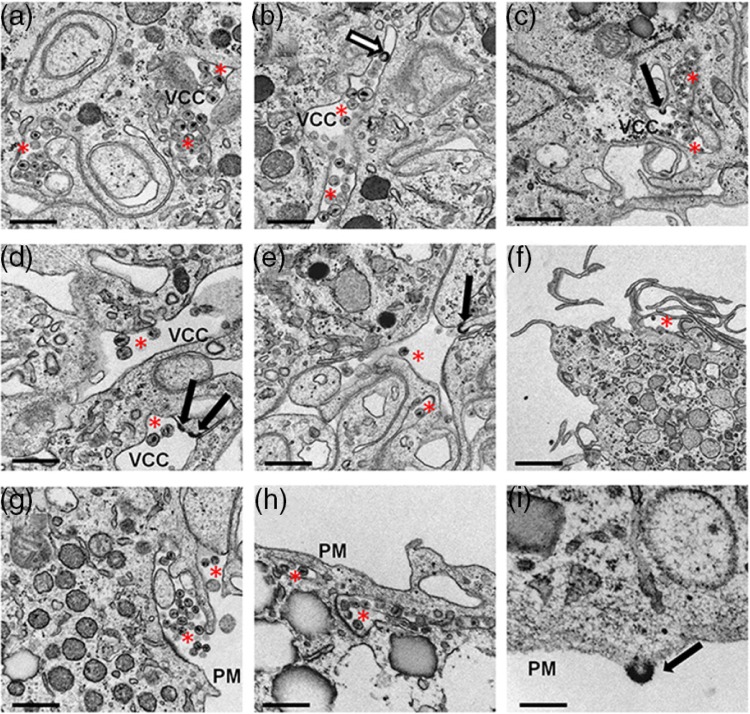
Term placentae from 20 HIV-1 seronegative women were obtained following caesarian section. VCCs were evaluated by 3D confocal and electron microscopy. Colocalization R values (Pearson's correlation) were quantified with colocalization module of Volocity 5.2.1. Replication kinetics and neutralization studies were evaluated using p24 ELISA.
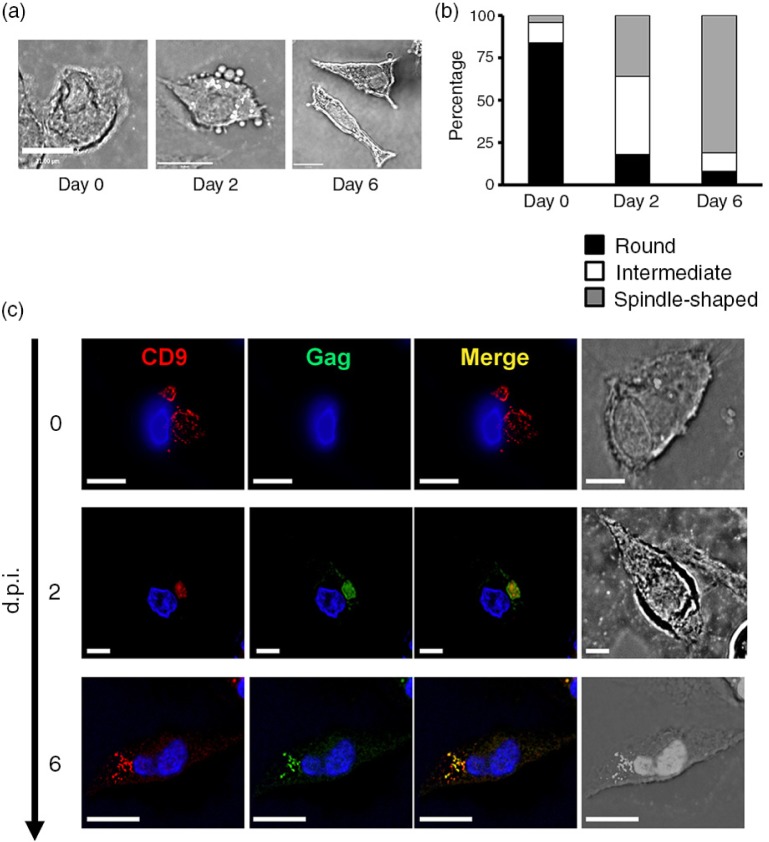
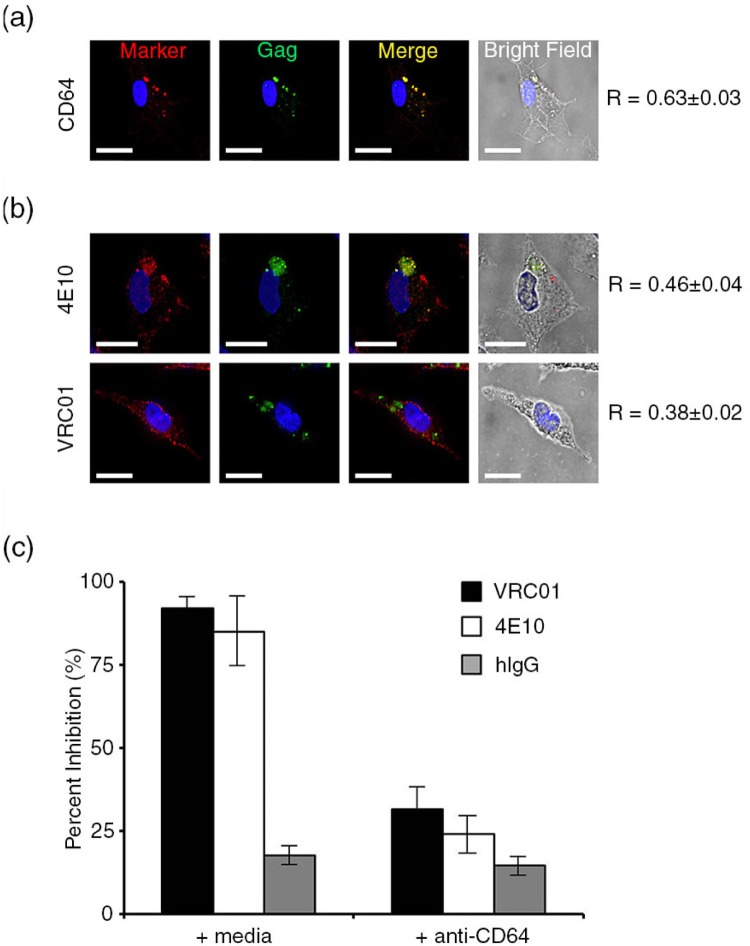
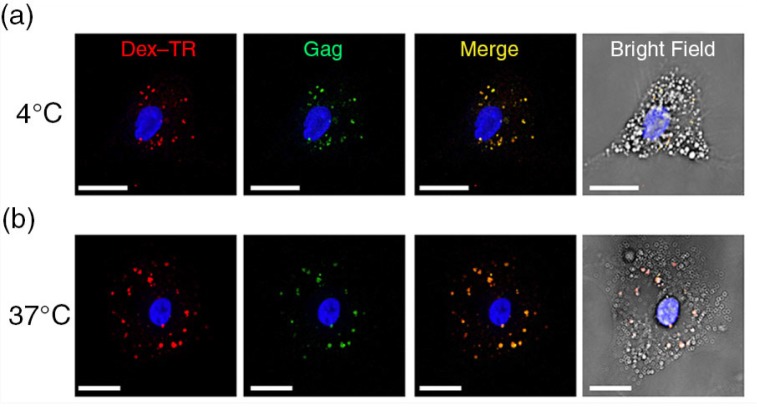
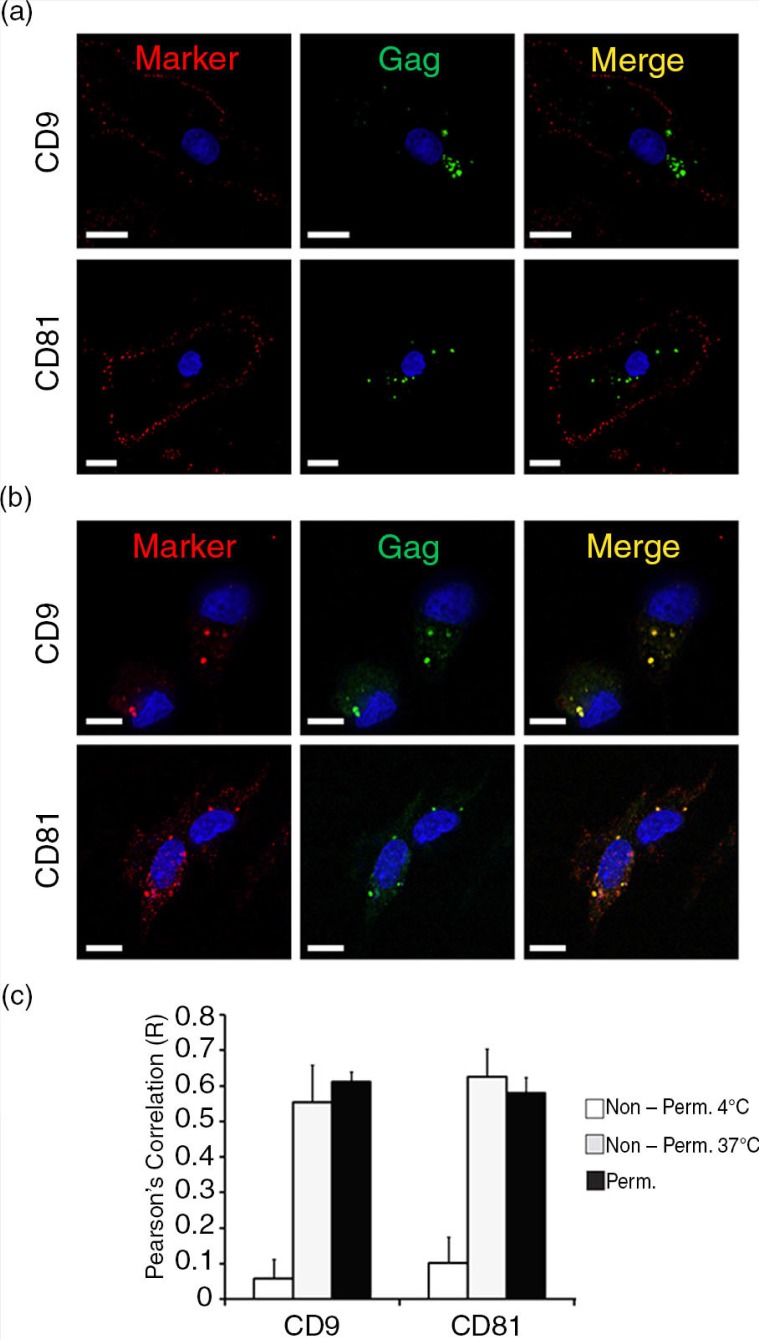
We demonstrate that primary HCs assemble and sequester HIV-1(BaL) in intracellular VCCs, which are enriched in endosomal/lysosomal markers, including CD9, CD81, CD63 and LAMP-1. Following infection, we observed HIV-1 accumulation in potentially acidic compartments, which stained intensely with Lysotracker-Red. Remarkably, these compartments are readily accessible via the cell surface and can be targeted by exogenously applied small molecules and HIV-1-specific broadly neutralizing antibodies. In addition, broadly neutralizing antibodies (4E10 and VRC01) limited viral replication by HIV-1-infected HCs, which may be mediated by FcγRI.
These findings suggest that placental HCs possess intrinsic adaptations facilitating unique sequestration of HIV-1, and may serve as a protective viral reservoir to permit viral neutralization and/or antiretroviral drug entry in utero.
在单核细胞衍生的巨噬细胞中,HIV-1积聚在细胞内的含病毒区室(VCCs)中,这些区室与外部环境隔绝,这表明这些细胞是潜伏感染的HIV-1储存库。在HIV-1母婴传播过程中,人胎盘巨噬细胞(霍夫鲍尔细胞(HCs))是病毒靶标,并且已被证明在体内被感染并在体外维持低水平的病毒复制;然而,宫内传播的风险小于7%。这些原代巨噬细胞作为病毒储存库的作用在很大程度上尚不清楚。鉴于胎盘在预防母婴二元组中HIV-1感染的关键作用,本研究的目的是确定HCs中病毒组装、积累和中和的潜在位点。
通过剖宫产获取20名HIV-1血清阴性女性的足月胎盘。通过三维共聚焦显微镜和电子显微镜评估VCCs。使用Volocity 5.2.1的共定位模块对共定位R值(皮尔逊相关性)进行定量。使用p24 ELISA评估复制动力学和中和研究。
我们证明原代HCs在细胞内VCCs中组装并隔离HIV-1(BaL),这些VCCs富含内体/溶酶体标记物,包括CD9、CD81、CD63和LAMP-1。感染后,我们观察到HIV-1在潜在的酸性区室中积累,这些区室用溶酶体追踪红染色强烈。值得注意的是,这些区室可通过细胞表面轻易进入,并且可以被外源性应用的小分子和HIV-1特异性广泛中和抗体靶向。此外,广泛中和抗体(4E10和VRC01)限制了HIV-1感染的HCs的病毒复制,这可能由FcγRI介导。
这些发现表明胎盘HCs具有内在适应性,有助于独特地隔离HIV-1,并可能作为保护性病毒储存库,允许病毒中和和/或抗逆转录病毒药物进入子宫。