Oka Yuki, Ye Mingyu, Zuker Charles S
1] Department of Biochemistry and Molecular Biophysics, Columbia College of Physicians and Surgeons, Howard Hughes Medical Institute, Columbia University, New York, New York 10032, USA [2] Department of Neuroscience, Columbia College of Physicians and Surgeons, Howard Hughes Medical Institute, Columbia University, New York, New York 10032, USA.
Nature. 2015 Apr 16;520(7547):349-52. doi: 10.1038/nature14108. Epub 2015 Jan 26.
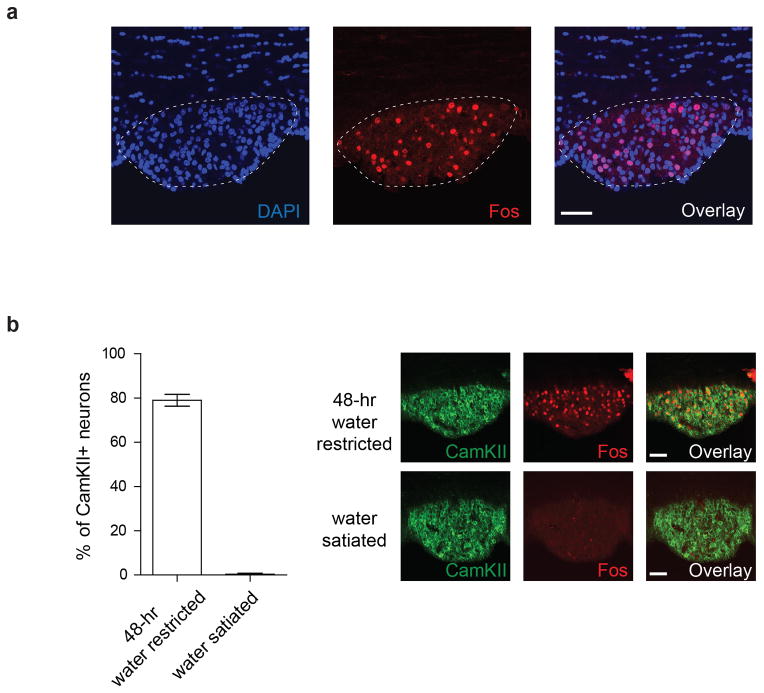
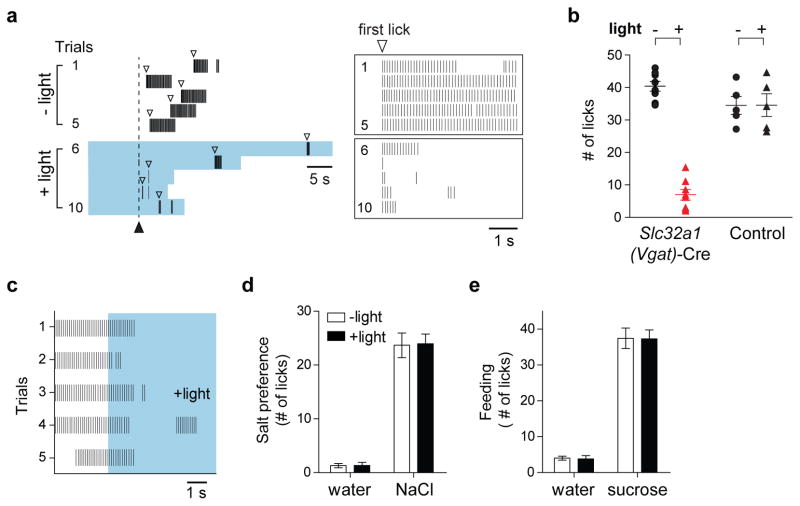
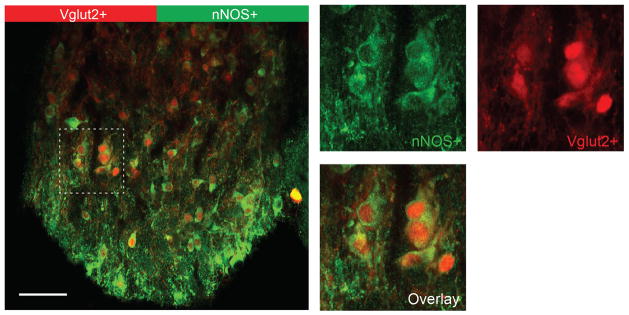
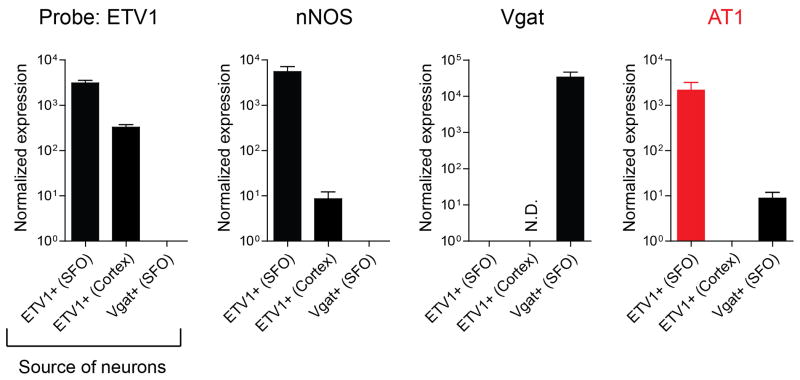
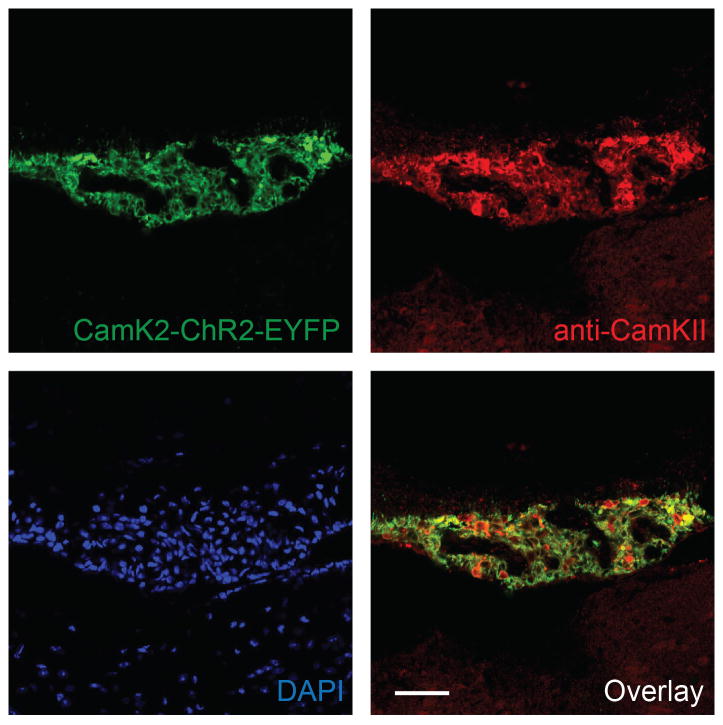
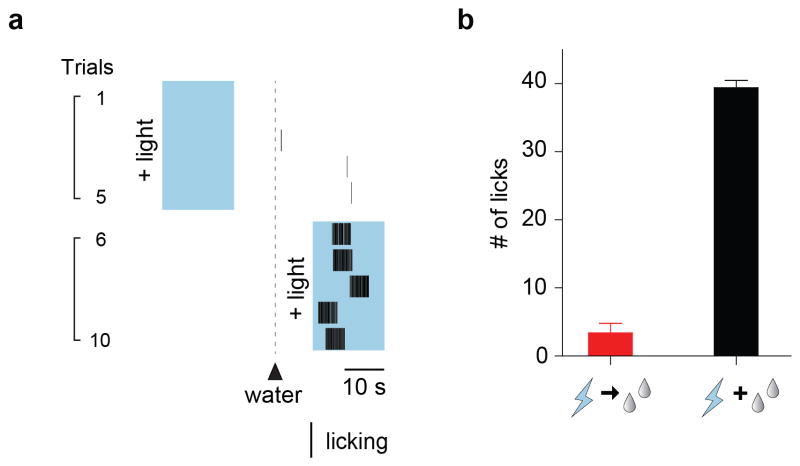
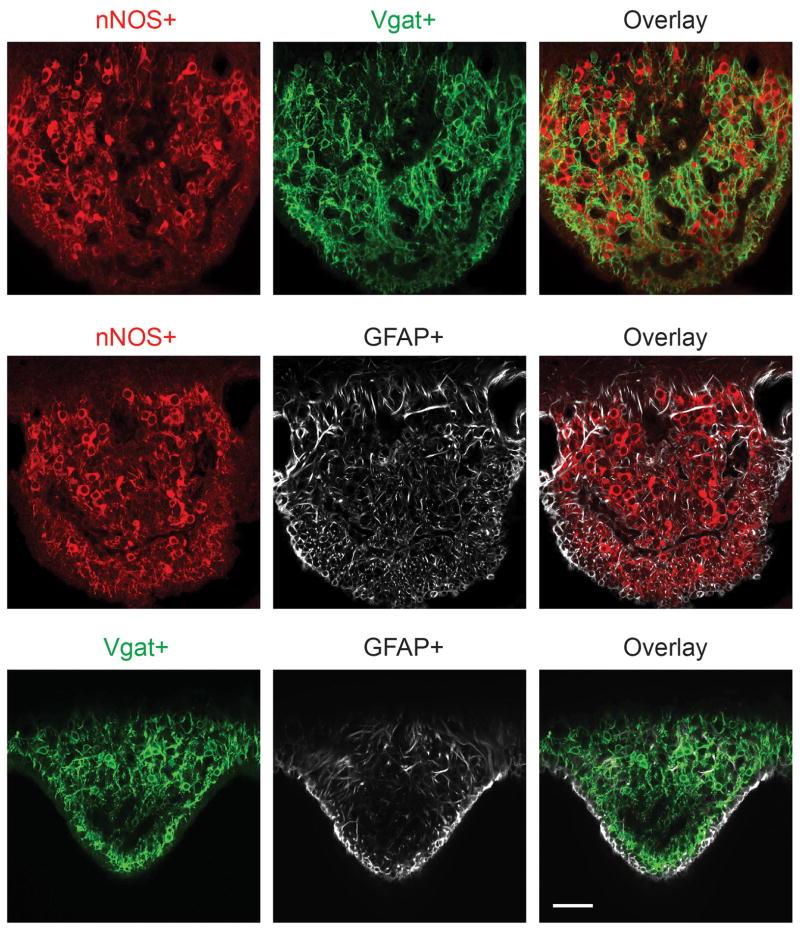
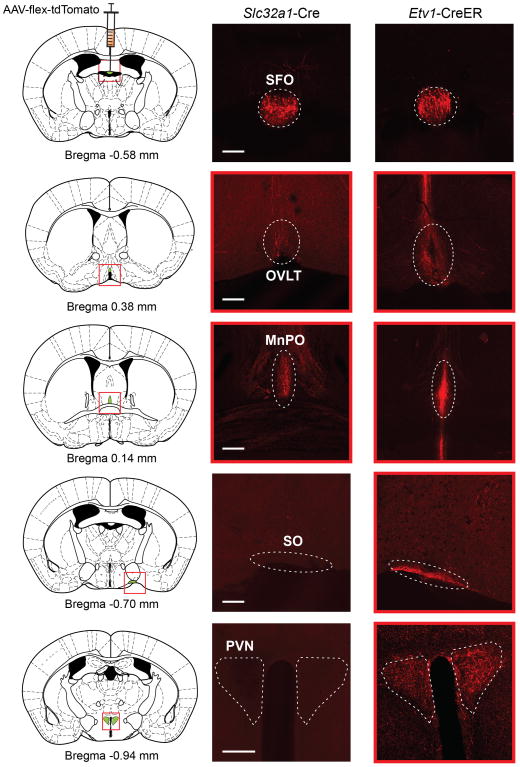
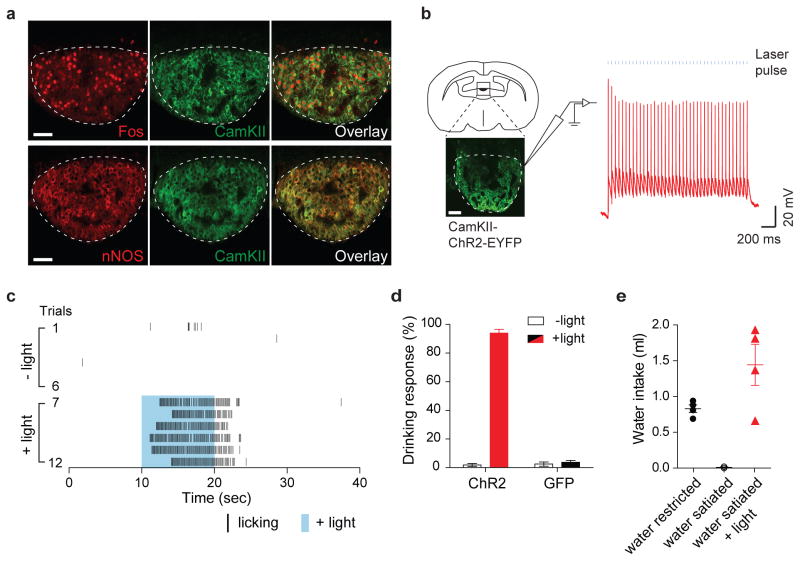
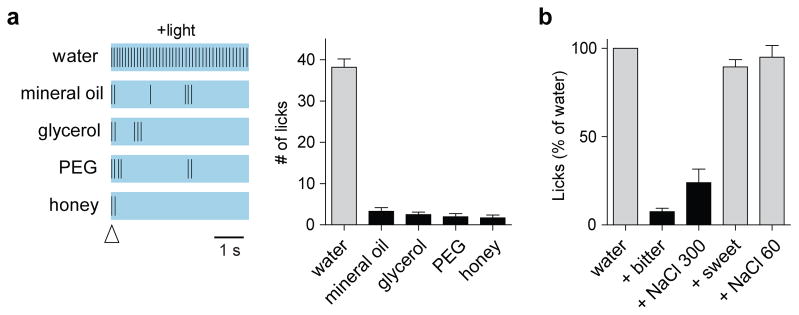
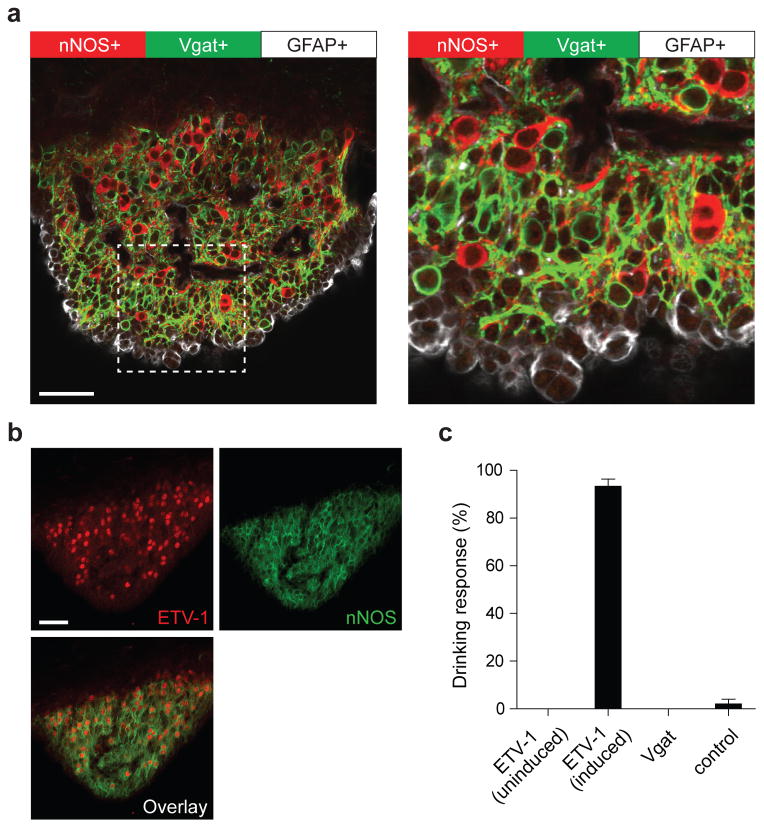
Thirst is the basic instinct to drink water. Previously, it was shown that neurons in several circumventricular organs of the hypothalamus are activated by thirst-inducing conditions. Here we identify two distinct, genetically separable neural populations in the subfornical organ that trigger or suppress thirst. We show that optogenetic activation of subfornical organ excitatory neurons, marked by the expression of the transcription factor ETV-1, evokes intense drinking behaviour, and does so even in fully water-satiated animals. The light-induced response is highly specific for water, immediate and strictly locked to the laser stimulus. In contrast, activation of a second population of subfornical organ neurons, marked by expression of the vesicular GABA transporter VGAT, drastically suppresses drinking, even in water-craving thirsty animals. These results reveal an innate brain circuit that can turn an animal's water-drinking behaviour on and off, and probably functions as a centre for thirst control in the mammalian brain.
口渴是饮水的基本本能。此前的研究表明,下丘脑几个室周器官中的神经元会因诱发口渴的条件而被激活。在此,我们在穹窿下器官中识别出两个不同的、基因上可分离的神经群体,它们分别触发或抑制口渴。我们发现,以转录因子ETV-1的表达为标记的穹窿下器官兴奋性神经元的光遗传学激活会引发强烈的饮水行为,即使在动物完全饱饮过水的情况下也是如此。光诱导反应对水具有高度特异性,即时且严格与激光刺激同步。相比之下,以囊泡GABA转运体VGAT的表达为标记的穹窿下器官另一群神经元的激活,即使在极度口渴的动物中也会大幅抑制饮水。这些结果揭示了一个先天性脑回路,它能够开启和关闭动物的饮水行为,可能在哺乳动物大脑中作为口渴控制中心发挥作用。