Kodali Maheedhar, Parihar Vipan K, Hattiangady Bharathi, Mishra Vikas, Shuai Bing, Shetty Ashok K
1] Institute for Regenerative Medicine, Texas A&M Health Science Center College of Medicine at Scott &White, Temple, Texas, USA [2] Research Service, Olin E. Teague Veterans Affairs Medical Center, Central Texas Veterans Health Care System, Temple, Texas, USA [3] Department of Molecular and Cellular Medicine, Texas A&M Health Science Center College of Medicine, College Station, Texas, USA.
Department of Surgery (Neurosurgery) and Research Service, Duke University and Veterans' Affairs Medical Centers, Durham, North Carolina, USA.
Sci Rep. 2015 Jan 28;5:8075. doi: 10.1038/srep08075.
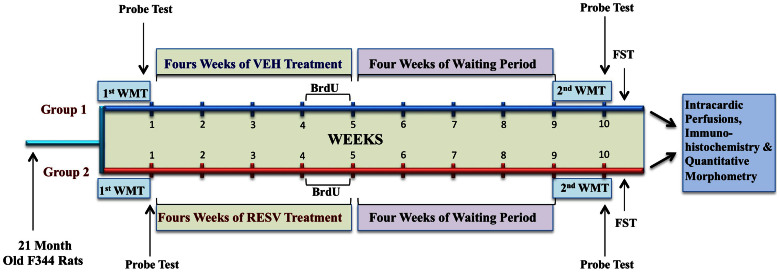
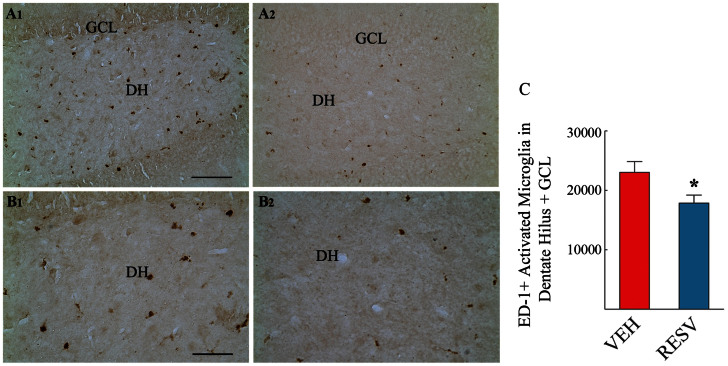
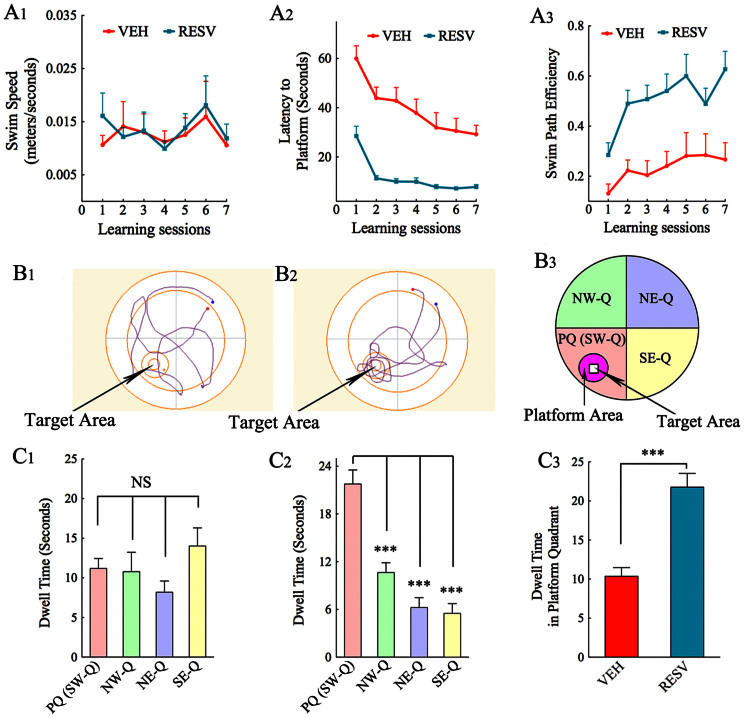
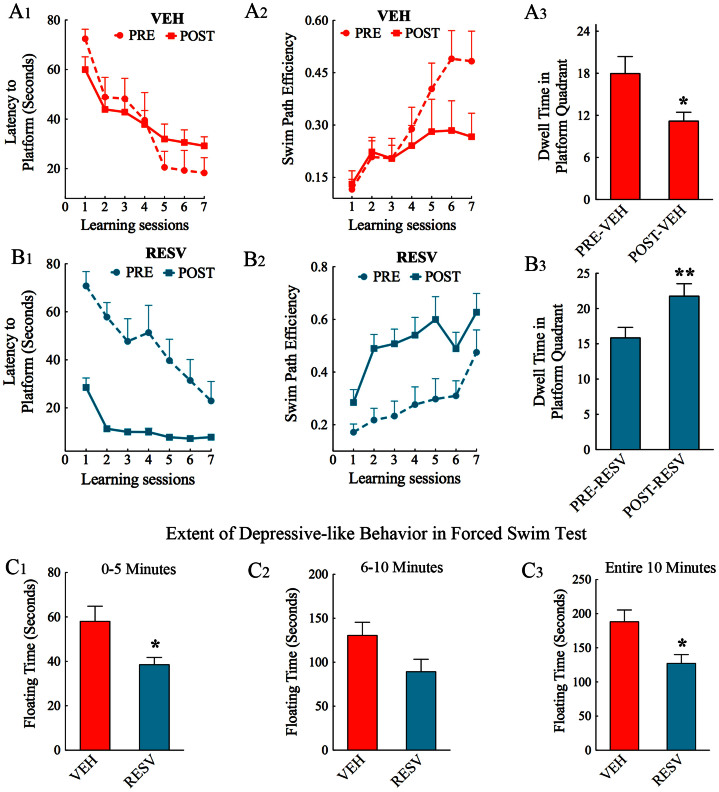
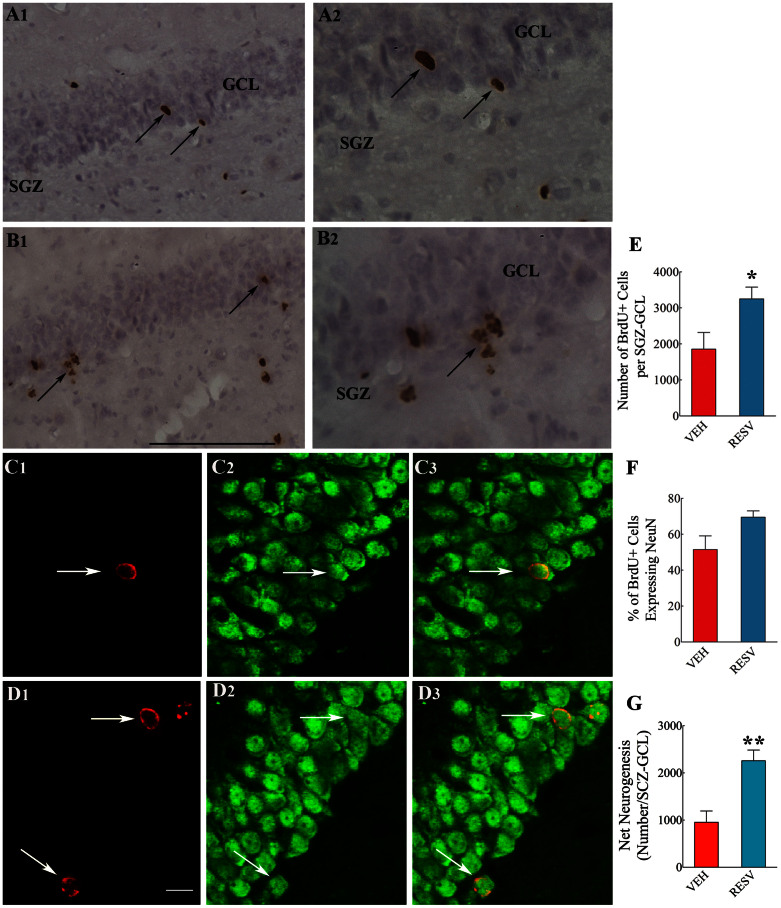
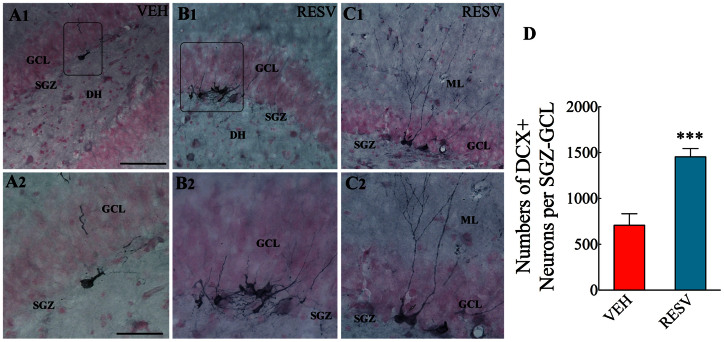
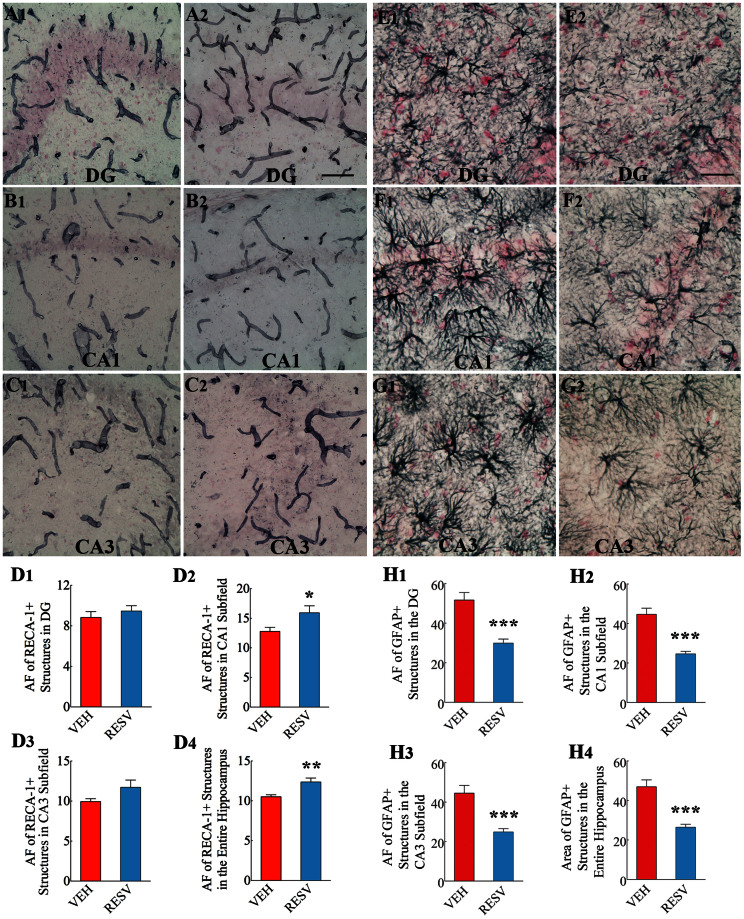
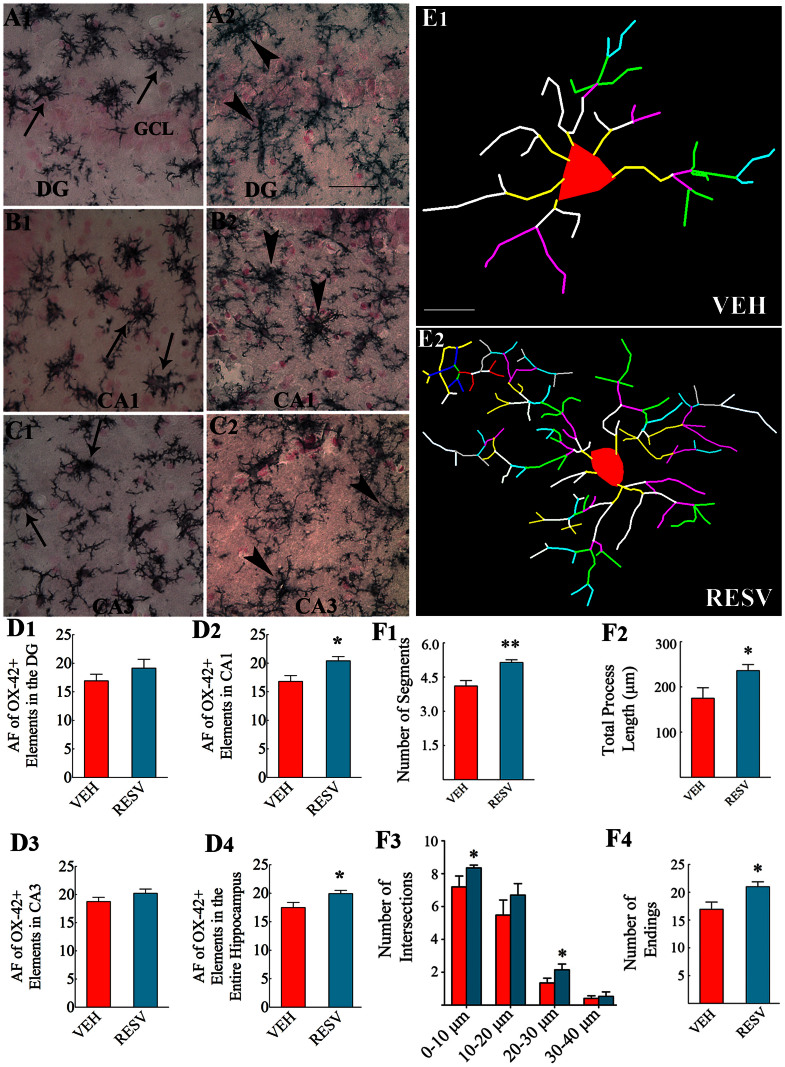
Greatly waned neurogenesis, diminished microvasculature, astrocyte hypertrophy and activated microglia are among the most conspicuous structural changes in the aged hippocampus. Because these alterations can contribute to age-related memory and mood impairments, strategies efficacious for mitigating these changes may preserve cognitive and mood function in old age. Resveratrol, a phytoalexin found in the skin of red grapes having angiogenic and antiinflammatory properties, appears ideal for easing these age-related changes. Hence, we examined the efficacy of resveratrol for counteracting age-related memory and mood impairments and the associated detrimental changes in the hippocampus. Two groups of male F344 rats in late middle-age having similar learning and memory abilities were chosen and treated with resveratrol or vehicle for four weeks. Analyses at ~25 months of age uncovered improved learning, memory and mood function in resveratrol-treated animals but impairments in vehicle-treated animals. Resveratrol-treated animals also displayed increased net neurogenesis and microvasculature, and diminished astrocyte hypertrophy and microglial activation in the hippocampus. These results provide novel evidence that resveratrol treatment in late middle age is efficacious for improving memory and mood function in old age. Modulation of the hippocampus plasticity and suppression of chronic low-level inflammation appear to underlie the functional benefits mediated by resveratrol.
神经发生显著减少、微脉管系统退化、星形胶质细胞肥大以及小胶质细胞激活是老年海马体中最明显的结构变化。由于这些改变可能导致与年龄相关的记忆和情绪障碍,减轻这些变化的有效策略可能会在老年时保留认知和情绪功能。白藜芦醇是一种在红葡萄皮中发现的具有血管生成和抗炎特性的植物抗毒素,似乎是缓解这些与年龄相关变化的理想物质。因此,我们研究了白藜芦醇对抗与年龄相关的记忆和情绪障碍以及海马体中相关有害变化的功效。选择两组具有相似学习和记忆能力的中年晚期雄性F344大鼠,用白藜芦醇或赋形剂处理四周。在约25个月龄时的分析发现,白藜芦醇处理的动物学习、记忆和情绪功能得到改善,而赋形剂处理的动物则出现损伤。白藜芦醇处理的动物在海马体中还表现出净神经发生和微脉管系统增加,星形胶质细胞肥大和小胶质细胞激活减少。这些结果提供了新的证据,表明中年晚期使用白藜芦醇治疗对改善老年时的记忆和情绪功能有效。海马体可塑性的调节和慢性低水平炎症的抑制似乎是白藜芦醇介导的功能益处的基础。