Dahlin Jayme L, Nissink J Willem M, Strasser Jessica M, Francis Subhashree, Higgins LeeAnn, Zhou Hui, Zhang Zhiguo, Walters Michael A
Department of Molecular Pharmacology and Experimental Therapeutics, Mayo Clinic College of Medicine , Rochester, Minnesota 55905, United States.
J Med Chem. 2015 Mar 12;58(5):2091-113. doi: 10.1021/jm5019093. Epub 2015 Feb 21.
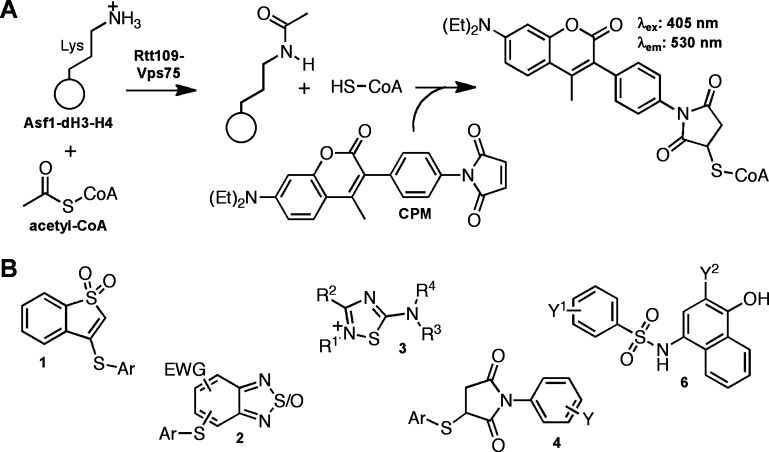
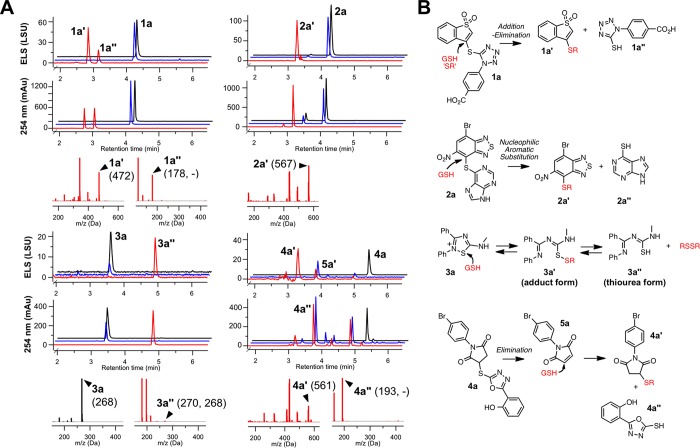
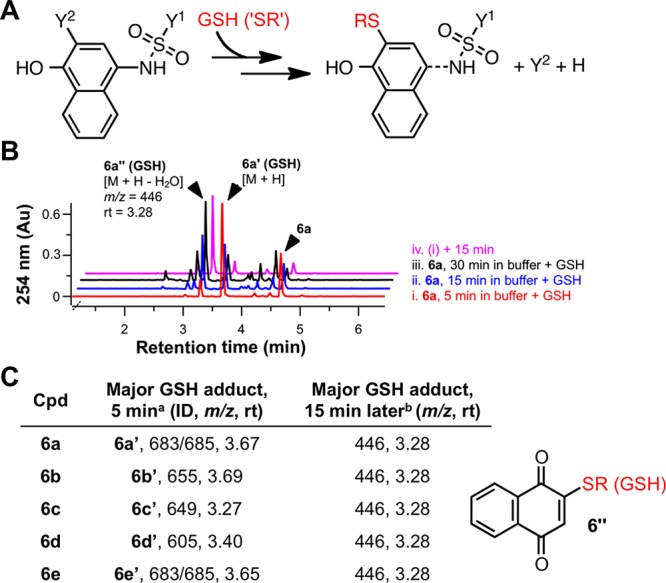
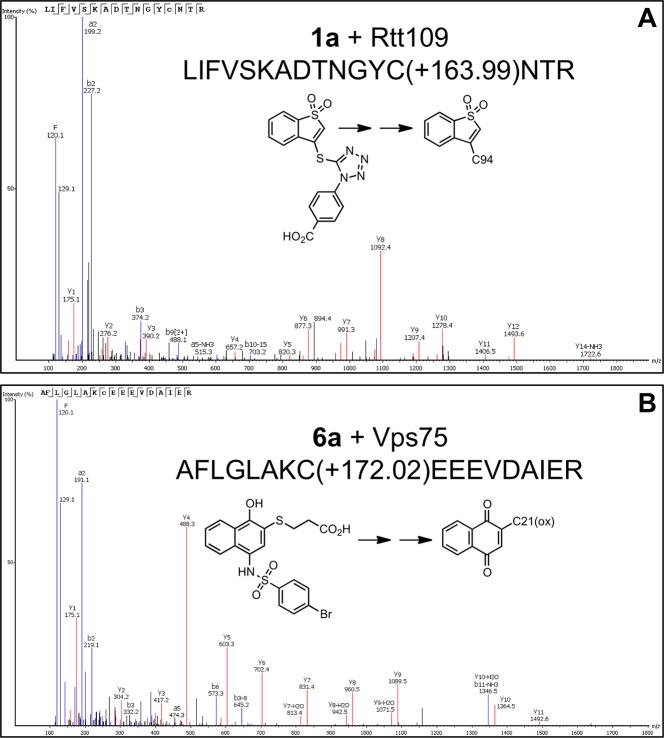
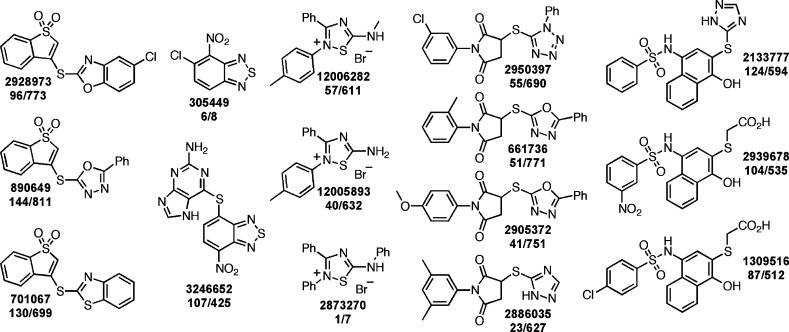
Significant resources in early drug discovery are spent unknowingly pursuing artifacts and promiscuous bioactive compounds, while understanding the chemical basis for these adverse behaviors often goes unexplored in pursuit of lead compounds. Nearly all the hits from our recent sulfhydryl-scavenging high-throughput screen (HTS) targeting the histone acetyltransferase Rtt109 were such compounds. Herein, we characterize the chemical basis for assay interference and promiscuous enzymatic inhibition for several prominent chemotypes identified by this HTS, including some pan-assay interference compounds (PAINS). Protein mass spectrometry and ALARM NMR confirmed these compounds react covalently with cysteines on multiple proteins. Unfortunately, compounds containing these chemotypes have been published as screening actives in reputable journals and even touted as chemical probes or preclinical candidates. Our detailed characterization and identification of such thiol-reactive chemotypes should accelerate triage of nuisance compounds, guide screening library design, and prevent follow-up on undesirable chemical matter.
在早期药物发现过程中,大量资源在不知不觉中被用于寻找假象和具有混杂生物活性的化合物,而在寻找先导化合物的过程中,往往没有探索这些不良行为的化学基础。我们最近针对组蛋白乙酰转移酶Rtt109进行的巯基清除高通量筛选(HTS)中几乎所有的命中化合物都是这类化合物。在此,我们描述了针对该HTS鉴定出的几种突出化学类型的分析干扰和混杂酶抑制的化学基础,包括一些泛分析干扰化合物(PAINS)。蛋白质质谱和ALARM NMR证实这些化合物与多种蛋白质上的半胱氨酸发生共价反应。不幸的是,含有这些化学类型的化合物已在知名期刊上作为筛选活性物质发表,甚至被吹捧为化学探针或临床前候选物。我们对这类硫醇反应性化学类型的详细表征和鉴定应能加速对有害化合物的分类,指导筛选文库设计,并防止对不良化学物质的后续研究。