Larmas Markku, Sándor George K B
Department of Pediatric Dentistry and Cariology, Institute of Dentistry, University of Oulu, Oulu Finland.
Department of Oral and Maxillofacial Surgery, Institute of Dentistry, University of Oulu, Oulu Finland.
J Oral Maxillofac Res. 2014 Dec 29;5(4):e3. doi: 10.5037/jomr.2014.5403. eCollection 2014 Oct-Dec.
Search in PubMed with keywords "enzymes, dentinogenesis, and dental caries" revealed only 4 items, but when combined with "enzymes, osteogenesis, and osteoporosis" as high as 404 items resulted. Dental caries was associated with an order of magnitude fewer studies than the chronic bone disease, osteoporosis. This observation motivated this review.
A comprehensive review of the available literature on role of enzymes in dentinogenesis and dental caries was undertaken using MEDLINE (PubMed) and Scopus. Keywords for the search were: enzymes and odontoblasts, enzymes and different forms of dentinogenesis as well as dental caries.
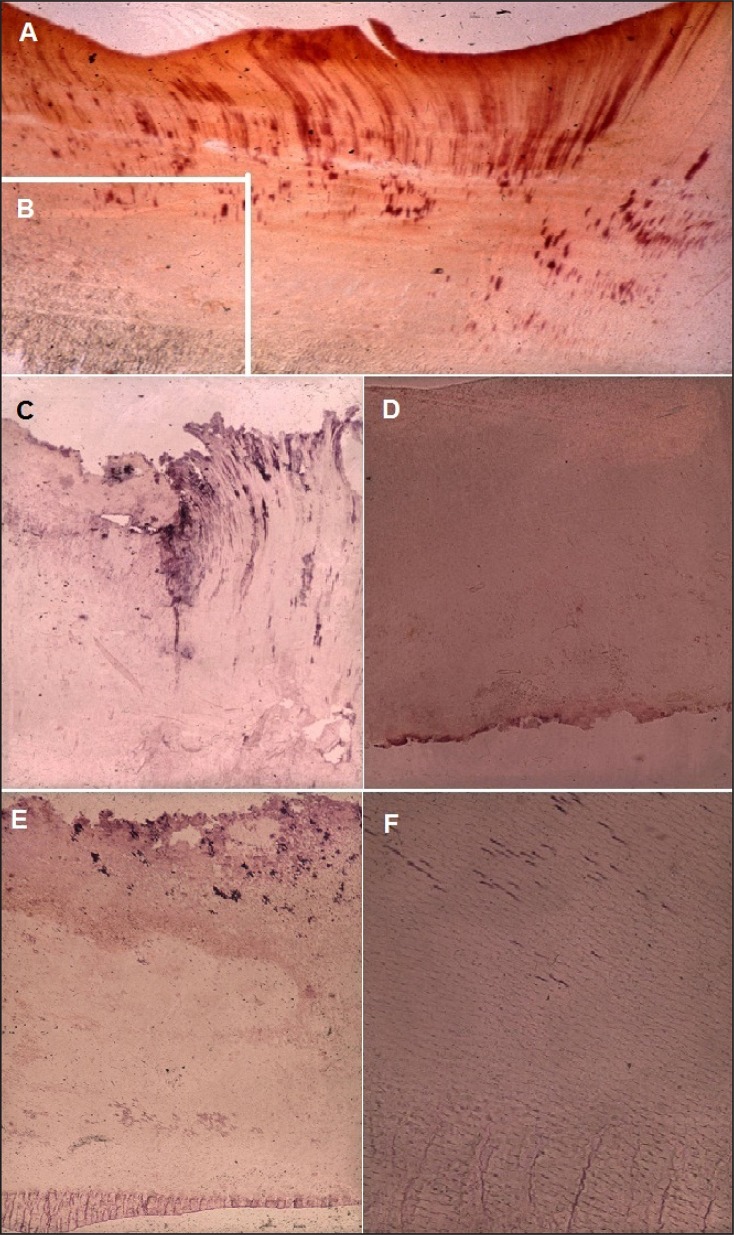
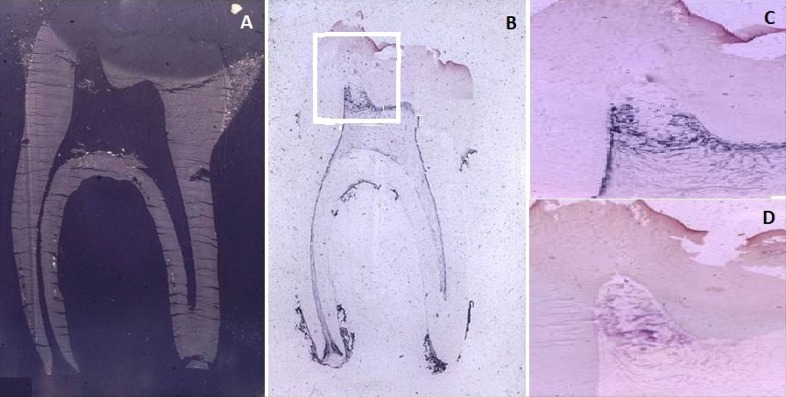
Search revealed studies which described odontoblasts harbouring numerous enzymes (hydrolases, including metalloproteinases, transaminases and dehydrogenases) during primary dentinogenesis. Alkaline phosphatase activity sharply decreased when odontoblasts turned into quiescent odontoblasts. Tertiary dentinogenesis was characterized first by reactionary dentine formation when alkaline phosphatase was highly reactivated. Then later some of these odontoblasts may die out and be replaced by other progenitor cells of pulpal origin. This tertiary dentine was called reparative dentine. Pulpal progenitor/stem cells revealed alkaline phosphatase activity in areas encircling inflamed pulp sections. Soft carious dentine revealed high hydrolase, transaminase and dehyrogenase activities that may have originated from invading microbes, saliva or were endogenous. Proteolytic activity was especially demonstrable using histochemical and biochemical means. Specifically, matrix metalloproteases may have originated partly from activated proenzymes of host origin.
Though dental studies are scanty when compared to bone, the active role of large spectrum of enzymes in healthy and carious dentine was given support.
在PubMed中使用关键词“酶、牙本质形成和龋齿”进行检索,仅得到4条结果,但当与“酶、骨生成和骨质疏松症”组合检索时,结果多达404条。与慢性骨病骨质疏松症相比,关于龋齿的研究数量少了一个数量级。这一观察结果促使了本综述的撰写。
使用MEDLINE(PubMed)和Scopus对有关酶在牙本质形成和龋齿中作用的现有文献进行了全面综述。检索关键词为:酶与成牙本质细胞、酶与不同形式的牙本质形成以及龋齿。
检索发现,有研究描述了在原发性牙本质形成过程中,成牙本质细胞含有多种酶(水解酶,包括金属蛋白酶、转氨酶和脱氢酶)。当成牙本质细胞转变为静止成牙本质细胞时,碱性磷酸酶活性急剧下降。继发性牙本质形成首先表现为反应性牙本质形成,此时碱性磷酸酶高度重新激活。随后,其中一些成牙本质细胞可能会死亡,并被牙髓来源的其他祖细胞取代。这种继发性牙本质被称为修复性牙本质。牙髓祖细胞/干细胞在围绕炎症牙髓切片的区域显示出碱性磷酸酶活性。软化龋坏牙本质显示出高水解酶、转氨酶和脱氢酶活性,这些活性可能源自入侵的微生物、唾液或内源性。通过组织化学和生化方法尤其能证明蛋白水解活性。具体而言,基质金属蛋白酶可能部分源自宿主来源的活化前体酶。
尽管与骨骼研究相比,牙科研究较少,但大量酶在健康和龋坏牙本质中的积极作用得到了支持。