Day J Michael, Oakley Brian B, Seal Bruce S, Zsak Laszlo
United States Department of Agriculture, Agricultural Research Service, Southeast Poultry Research Laboratory, Athens, GA, United States of America.
United States Department of Agriculture, Agricultural Research Service, Poultry Microbiological Safety Research Unit, Athens, GA, United States of America.
PLoS One. 2015 Jan 30;10(1):e0117210. doi: 10.1371/journal.pone.0117210. eCollection 2015.
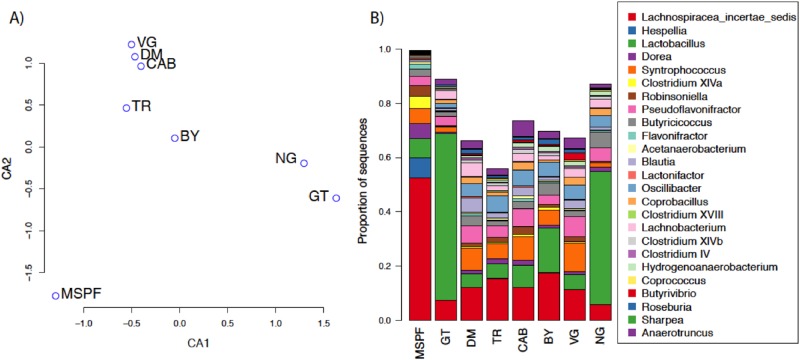
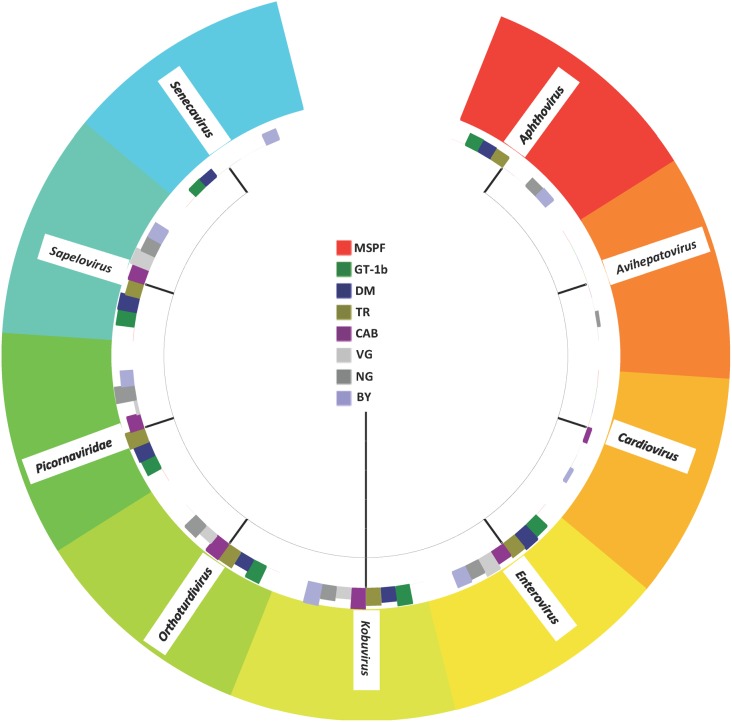
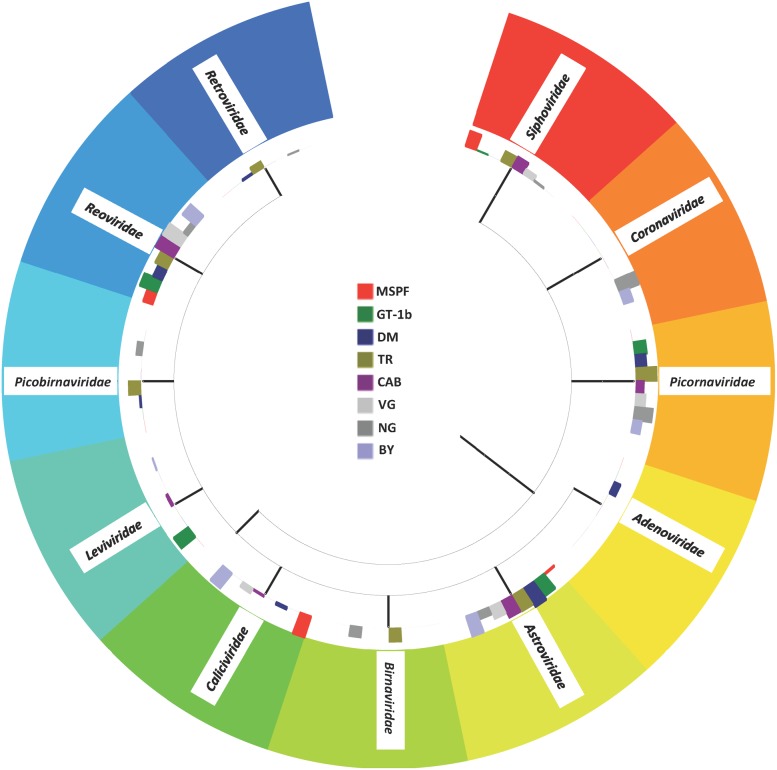
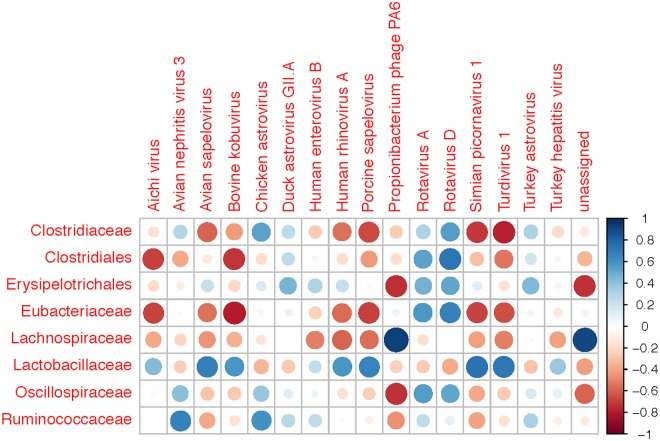
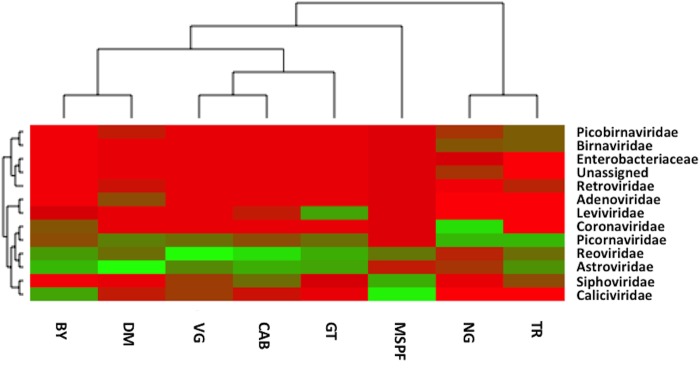
There is a great deal of interest in characterizing the complex microbial communities in the poultry gut, and in understanding the effects of these dynamic communities on poultry performance, disease status, animal welfare, and microbes with human health significance. Investigations characterizing the poultry enteric virome have identified novel poultry viruses, but the roles these viruses play in disease and performance problems have yet to be fully characterized. The complex bacterial community present in the poultry gut influences gut development, immune status, and animal health, each of which can be an indicator of overall performance. The present metagenomic investigation was undertaken to provide insight into the colonization of specific pathogen free chickens by enteric microorganisms under field conditions and to compare the pre-contact intestinal microbiome with the altered microbiome following contact with poultry raised in the field. Analysis of the intestinal virome from contact birds ("sentinels") placed on farms revealed colonization by members of the Picornaviridae, Picobirnaviridae, Reoviridae, and Astroviridae that were not present in pre-contact birds or present in proportionally lower numbers. Analysis of the sentinel gut bacterial community revealed an altered community in the post-contact birds, notably by members of the Lachnospiracea/Clostridium and Lactobacillus families and genera. Members of the avian enteric Reoviridae and Astroviridae have been well-characterized and have historically been implicated in poultry enteric disease; members of the Picobirnaviridae and Picornaviridae have only relatively recently been described in the poultry and avian gut, and their roles in the recognized disease syndromes and in poultry performance in general have not been determined. This metagenomic analysis has provided insight into the colonization of the poultry gut by enteric microbes circulating in commercial broiler flocks, and has identified enteric viruses and virus communities that warrant further study in order to understand their role(s) in avian gut health and disease.
人们对家禽肠道内复杂的微生物群落特征进行了大量研究,并且希望了解这些动态群落对家禽生长性能、疾病状况、动物福利以及对人类健康有重要意义的微生物的影响。对家禽肠道病毒组进行的特征研究已鉴定出新型家禽病毒,但这些病毒在疾病和生长性能问题中所起的作用尚未完全明确。家禽肠道中存在的复杂细菌群落会影响肠道发育、免疫状态和动物健康,而这些因素均可作为整体生长性能的指标。本次宏基因组学研究旨在深入了解在田间条件下特定无病原体鸡的肠道微生物定殖情况,并比较接触田间饲养家禽前的肠道微生物组与接触后的微生物组变化。对放置在农场中的接触禽类(“哨兵”)的肠道病毒组分析显示,接触后的禽类中存在小RNA病毒科、双节段RNA病毒科、呼肠孤病毒科和星状病毒科成员的定殖,而在接触前的禽类中不存在这些病毒,或者其数量比例较低。对“哨兵”肠道细菌群落的分析显示,接触后的禽类群落发生了变化,尤其是毛螺菌科/梭菌属和乳杆菌属的成员。禽肠道呼肠孤病毒科和星状病毒科的成员已得到充分研究,并且一直被认为与家禽肠道疾病有关;双节段RNA病毒科和小RNA病毒科的成员只是最近才在家禽和鸟类肠道中被描述,它们在公认的疾病综合征和家禽总体生长性能中的作用尚未确定。这项宏基因组分析深入了解了商业肉鸡群中循环的肠道微生物在家禽肠道中的定殖情况,并确定了一些肠道病毒和病毒群落,为进一步研究其在禽类肠道健康和疾病中的作用提供了依据。