Ventorino Valeria, Aliberti Alberto, Faraco Vincenza, Robertiello Alessandro, Giacobbe Simona, Ercolini Danilo, Amore Antonella, Fagnano Massimo, Pepe Olimpia
Department of Agriculture, Division of Microbiology, University of Naples Federico II, Portici, Italy.
Department of Chemical Sciences, University of Naples Federico II, Naples, Italy.
Sci Rep. 2015 Feb 2;5:8161. doi: 10.1038/srep08161.
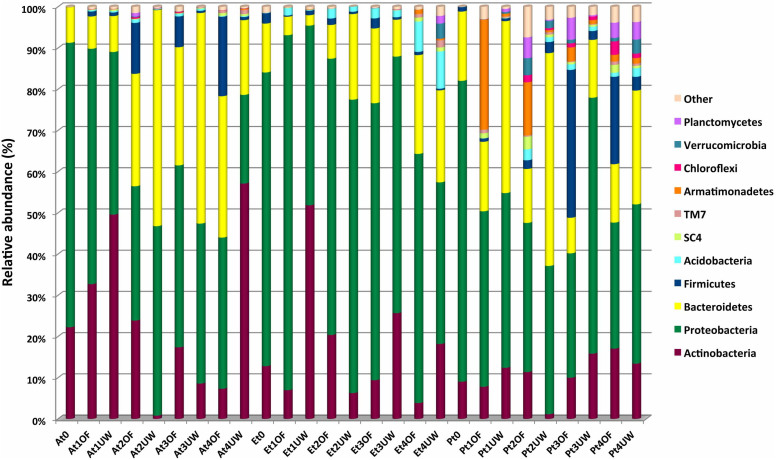
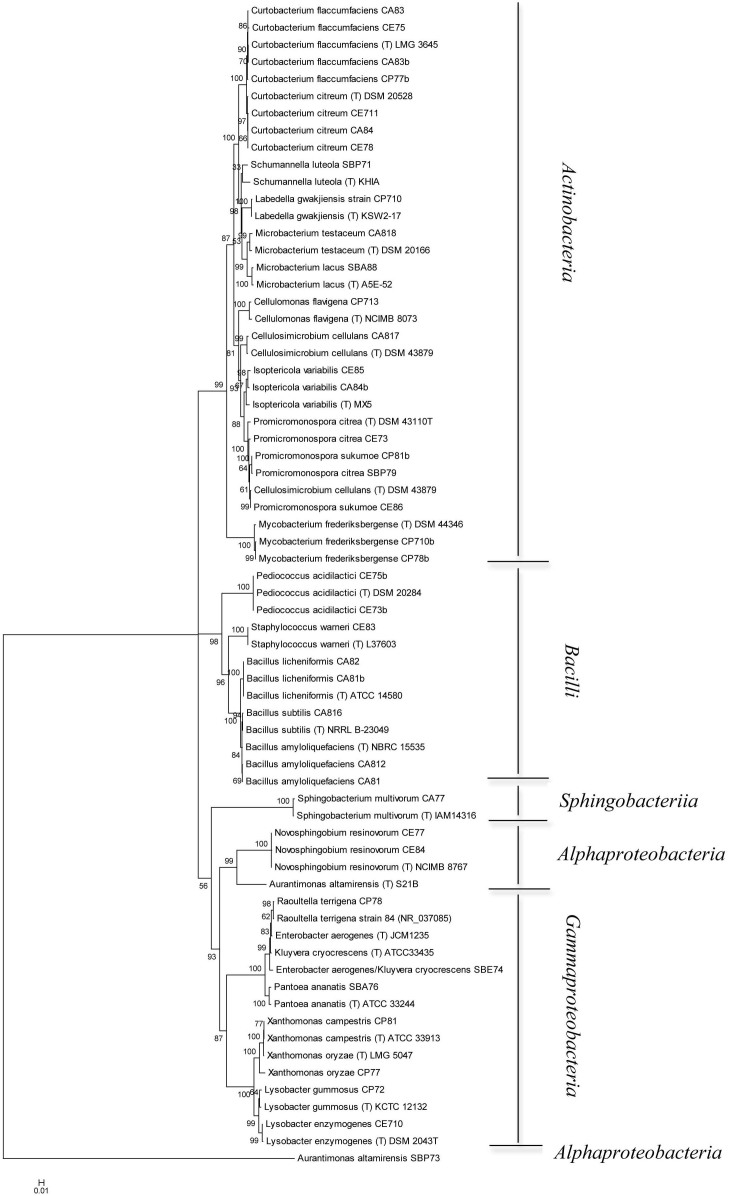
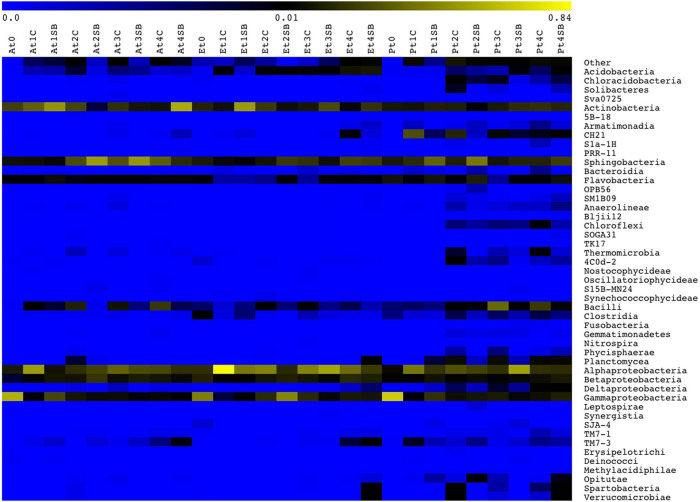
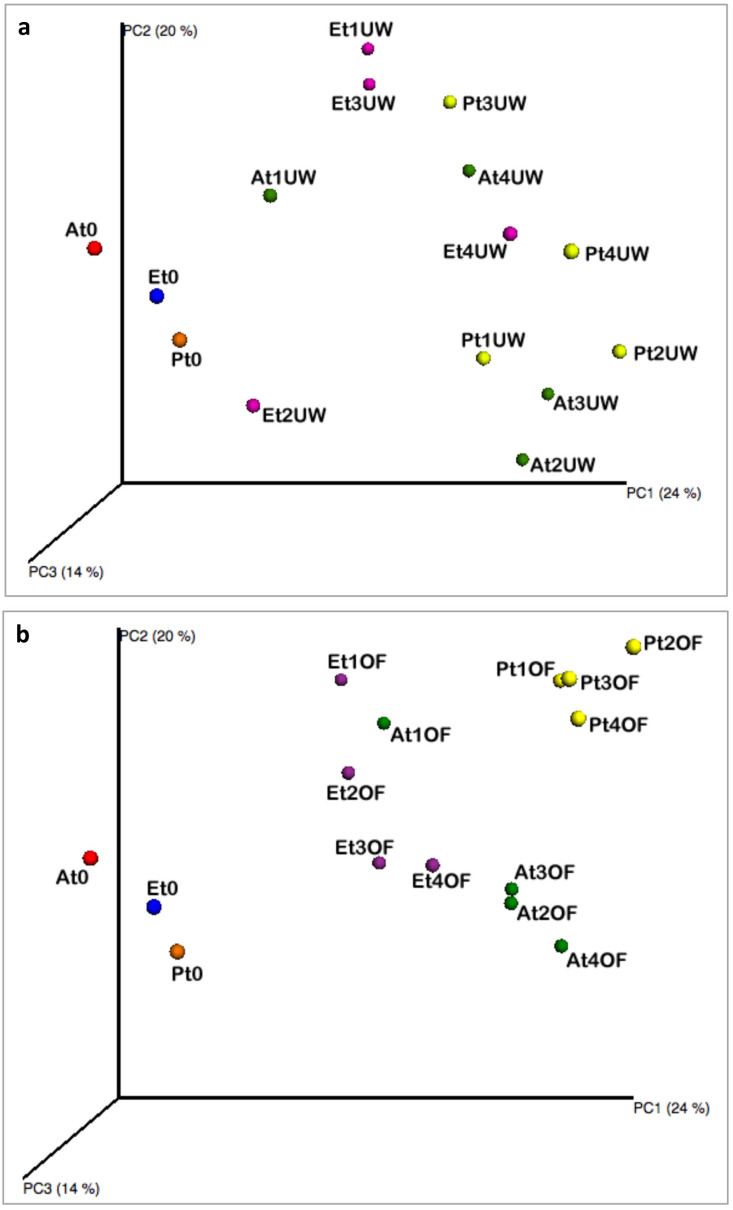
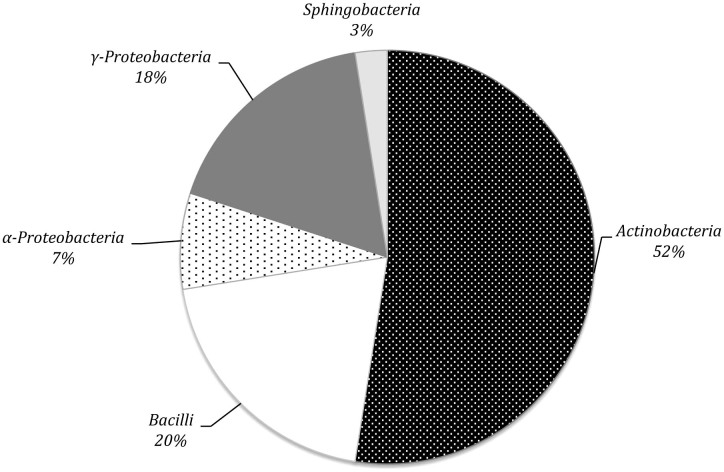
The aims of this study were to evaluate the microbial diversity of different lignocellulosic biomasses during degradation under natural conditions and to isolate, select, characterise new well-adapted bacterial strains to detect potentially improved enzyme-producing bacteria. The microbiota of biomass piles of Arundo donax, Eucalyptus camaldulensis and Populus nigra were evaluated by high-throughput sequencing. A highly complex bacterial community was found, composed of ubiquitous bacteria, with the highest representation by the Actinobacteria, Proteobacteria, Bacteroidetes and Firmicutes phyla. The abundances of the major and minor taxa retrieved during the process were determined by the selective pressure produced by the lignocellulosic plant species and degradation conditions. Moreover, cellulolytic bacteria were isolated using differential substrates and screened for cellulase, cellobiase, xylanase, pectinase and ligninase activities. Forty strains that showed multienzymatic activity were selected and identified. The highest endo-cellulase activity was seen in Promicromonospora sukumoe CE86 and Isoptericola variabilis CA84, which were able to degrade cellulose, cellobiose and xylan. Sixty-two percent of bacterial strains tested exhibited high extracellular endo-1,4-ß-glucanase activity in liquid media. These approaches show that the microbiota of lignocellulosic biomasses can be considered an important source of bacterial strains to upgrade the feasibility of lignocellulose conversion for the 'greener' technology of second-generation biofuels.
本研究的目的是评估不同木质纤维素生物质在自然条件下降解过程中的微生物多样性,并分离、筛选和鉴定适应良好的新型细菌菌株,以检测潜在的产酶性能改善的细菌。通过高通量测序对芦竹、赤桉和黑杨生物质堆中的微生物群进行了评估。发现了一个高度复杂的细菌群落,由常见细菌组成,其中放线菌门、变形菌门、拟杆菌门和厚壁菌门的占比最高。该过程中检索到的主要和次要分类群的丰度由木质纤维素植物物种和降解条件产生的选择压力决定。此外,使用差异底物分离纤维素分解细菌,并筛选其纤维素酶、纤维二糖酶、木聚糖酶、果胶酶和木质素酶活性。选择并鉴定了40株具有多种酶活性的菌株。在苏氏原小单孢菌CE86和可变白蚁巢菌CA84中观察到最高的内切纤维素酶活性,它们能够降解纤维素、纤维二糖和木聚糖。62%的受试细菌菌株在液体培养基中表现出高细胞外内切-1,4-β-葡聚糖酶活性。这些方法表明,木质纤维素生物质的微生物群可被视为细菌菌株的重要来源,以提高木质纤维素转化为第二代生物燃料“绿色”技术的可行性。