Su Tian, Bondar Tanya, Zhou Xu, Zhang Cuiling, He Hang, Medzhitov Ruslan
Department of Immunobiology, Howard Hughes Medical Institute, Yale University School of Medicine, New Haven, United States.
Peking-Yale Joint Center for Plant Molecular Genetics and Agro-Biotechnology, National Laboratory of Protein Engineering and Plant Genetic Engineering, College of Life Sciences, Peking University, Beijing, China.
Elife. 2015 Feb 10;4:e02948. doi: 10.7554/eLife.02948.
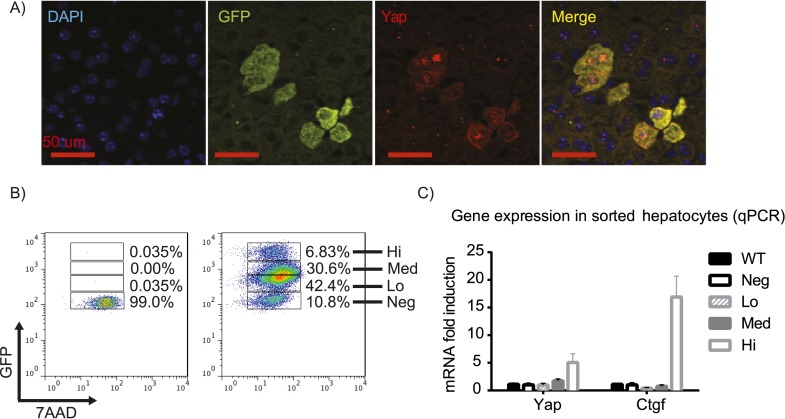
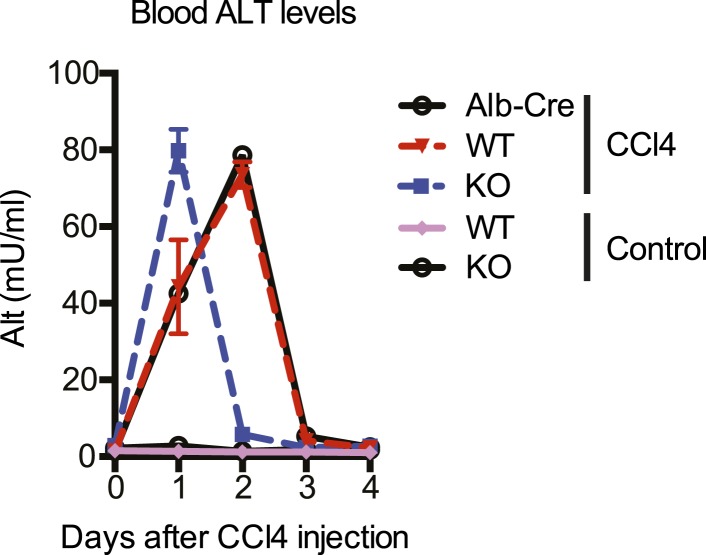
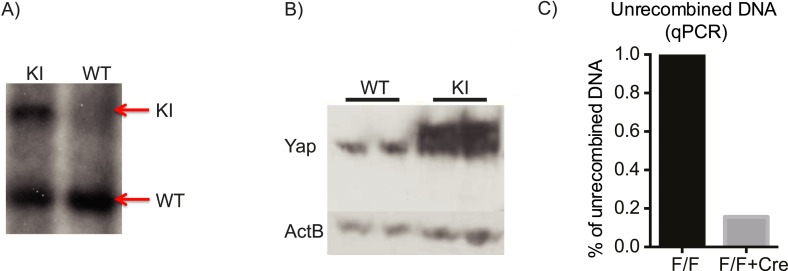
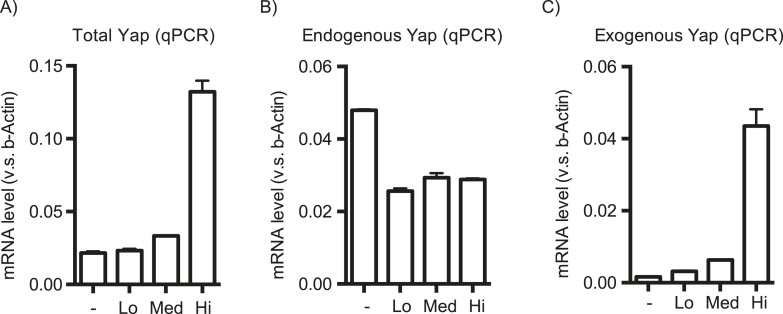
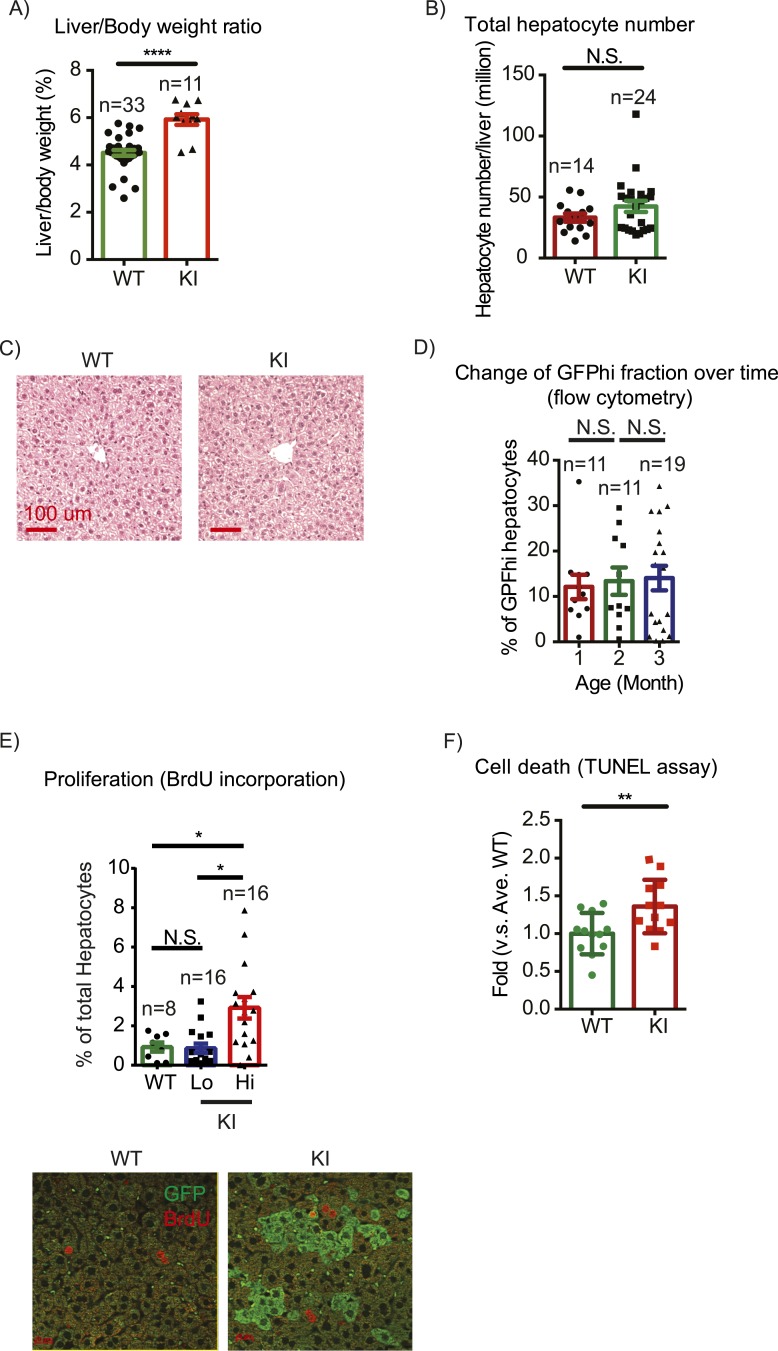
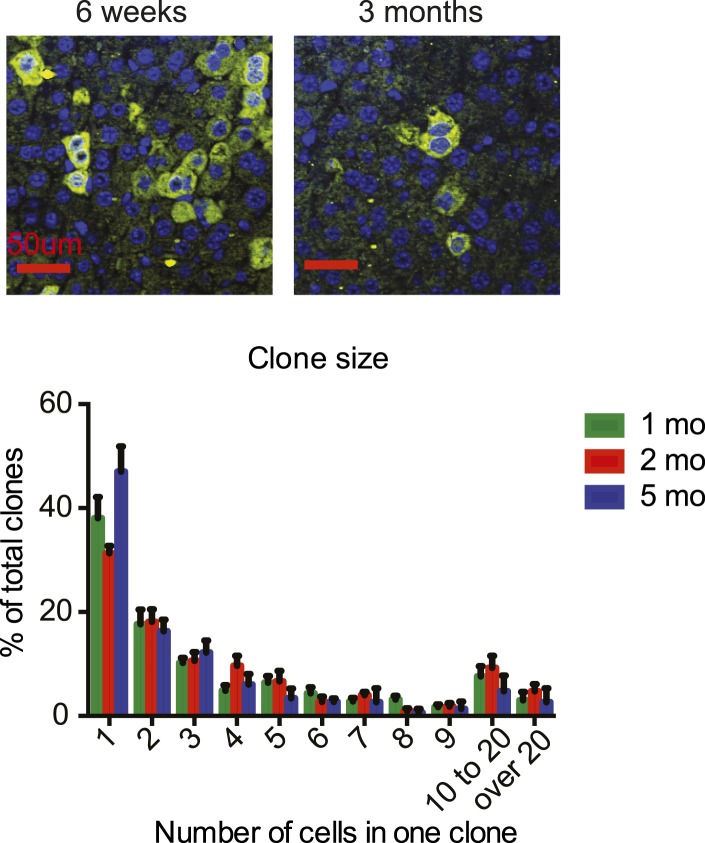
The transcriptional coactivator Yes-associated protein (Yap) promotes proliferation and inhibits apoptosis, suggesting that Yap functions as an oncogene. Most oncogenes, however, require a combination of at least two signals to promote proliferation. In this study, we present evidence that Yap activation is insufficient to promote growth in the otherwise normal tissue. Using a mosaic mouse model, we demonstrate that Yap overexpression in a fraction of hepatocytes does not lead to their clonal expansion, as proliferation is counterbalanced by increased apoptosis. To shift the activity of Yap towards growth, a second signal provided by tissue damage or inflammation is required. In response to liver injury, Yap drives clonal expansion, suppresses hepatocyte differentiation, and promotes a progenitor phenotype. These results suggest that Yap activation is insufficient to promote growth in the absence of a second signal thus coordinating tissue homeostasis and repair.
转录共激活因子Yes相关蛋白(Yap)促进细胞增殖并抑制细胞凋亡,这表明Yap起着癌基因的作用。然而,大多数癌基因需要至少两种信号的组合来促进增殖。在本研究中,我们提供证据表明,在其他方面正常的组织中,Yap激活不足以促进生长。使用嵌合小鼠模型,我们证明在一部分肝细胞中Yap过表达不会导致它们的克隆性扩增,因为增殖被增加的细胞凋亡所抵消。为了使Yap的活性转向生长,需要由组织损伤或炎症提供的第二个信号。响应肝损伤时,Yap驱动克隆性扩增,抑制肝细胞分化,并促进祖细胞表型。这些结果表明,在没有第二个信号的情况下,Yap激活不足以促进生长,从而协调组织稳态和修复。