Lin Fang, Ghislat Ghita, Luo Shouqing, Renna Maurizio, Siddiqi Farah, Rubinsztein David C
Department of Medical Genetics, Cambridge Institute for Medical Research, University of Cambridge, Wellcome/MRC Building, Addenbrooke's Hospital, Hills Road, Cambridge CB2 0XY, UK.
Department of Medical Genetics, Cambridge Institute for Medical Research, University of Cambridge, Wellcome/MRC Building, Addenbrooke's Hospital, Hills Road, Cambridge CB2 0XY, UK
Hum Mol Genet. 2015 May 15;24(10):2899-913. doi: 10.1093/hmg/ddv052. Epub 2015 Feb 10.
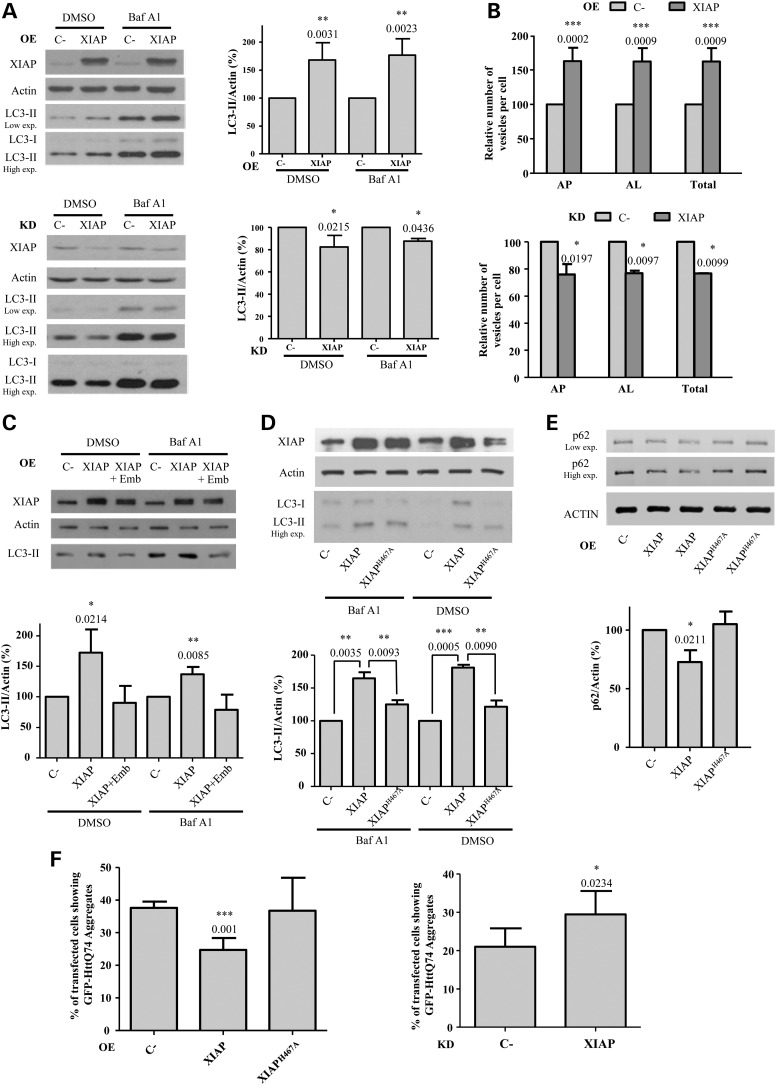
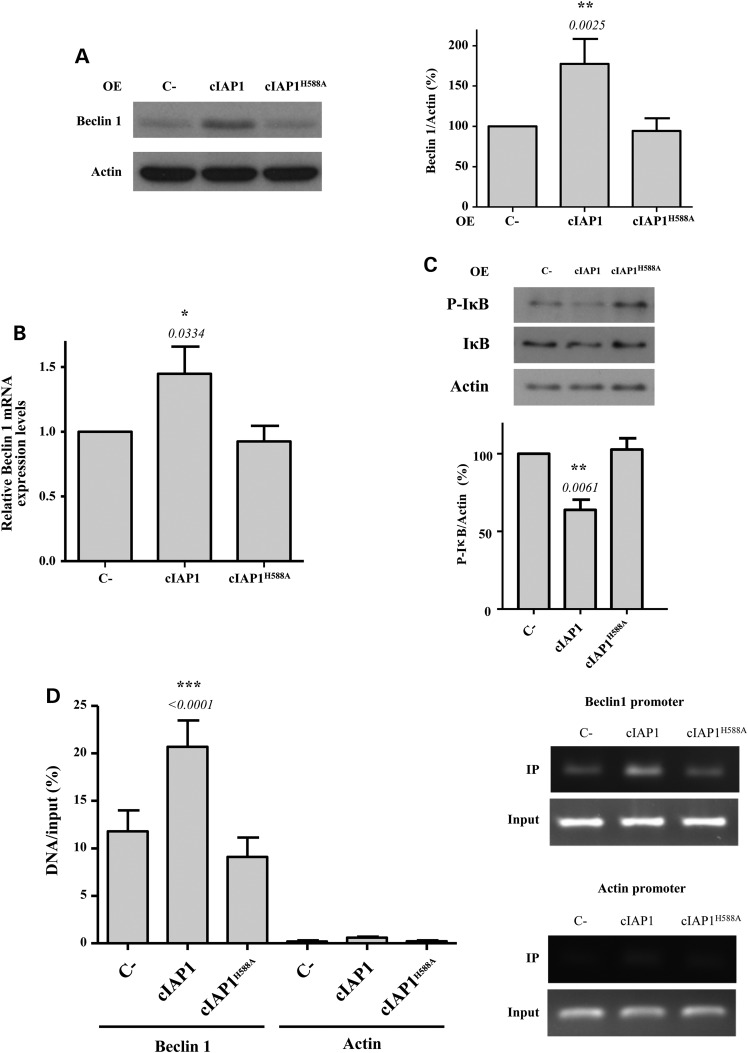
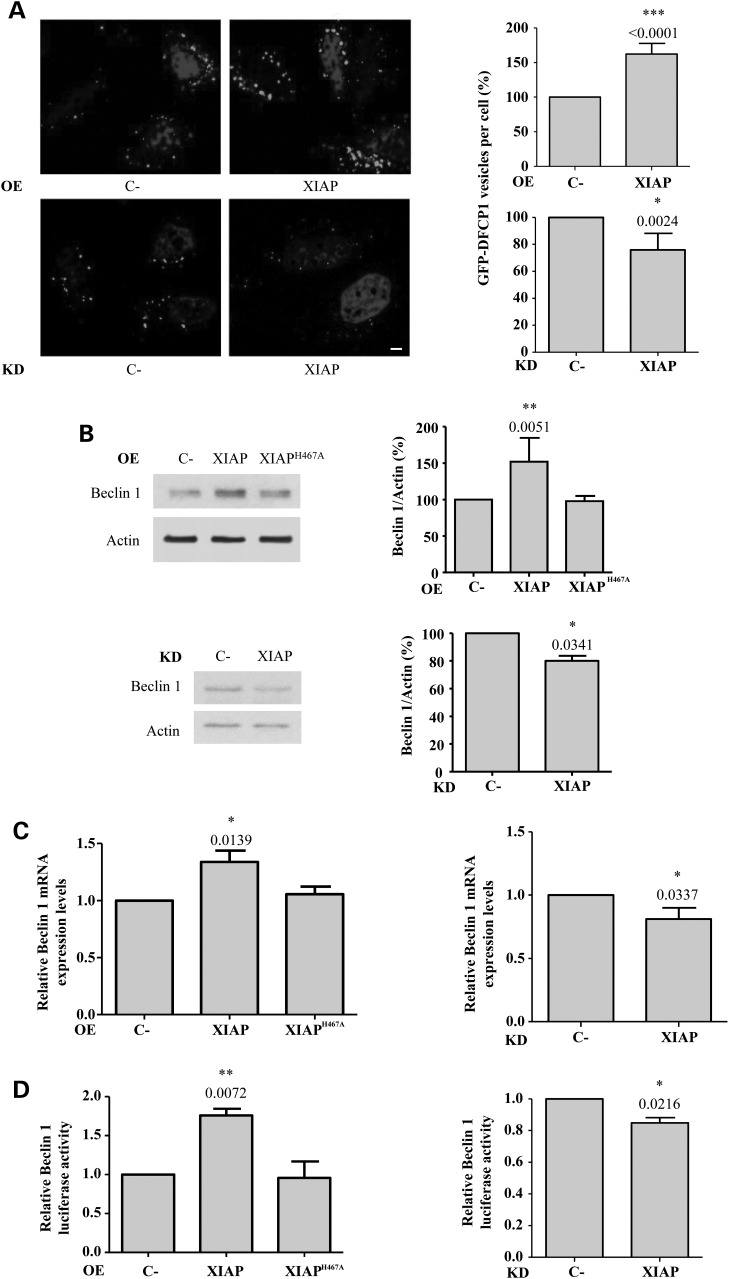
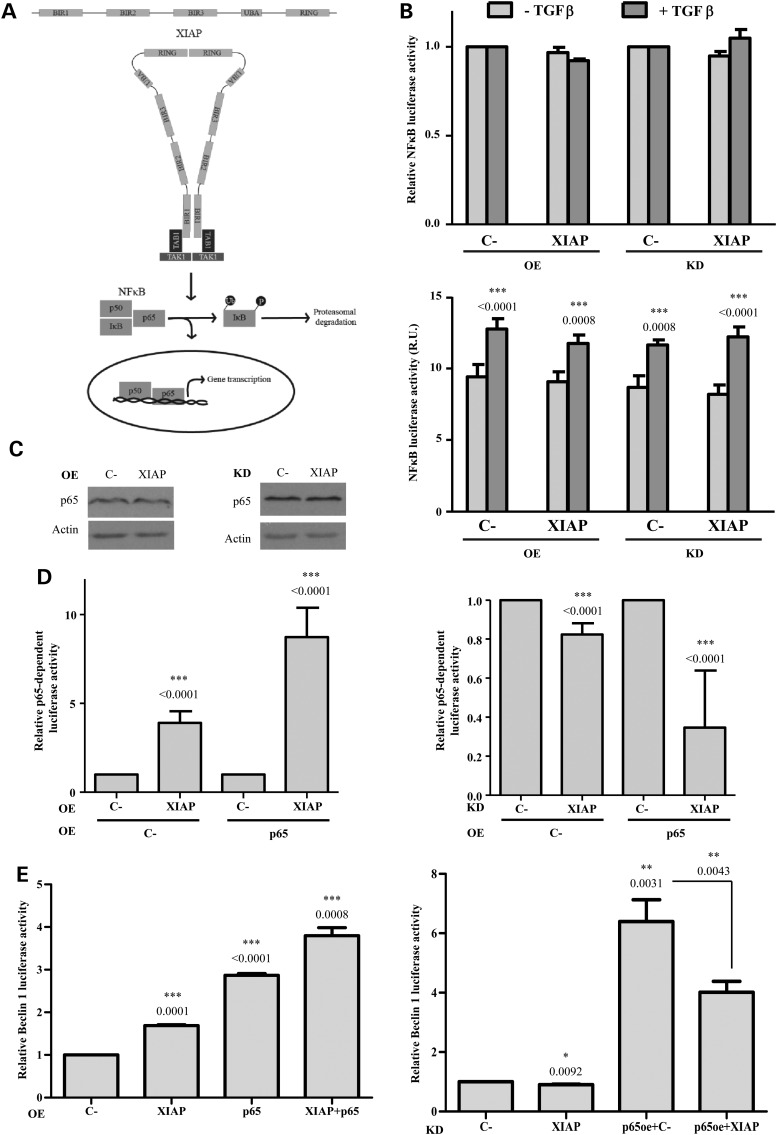
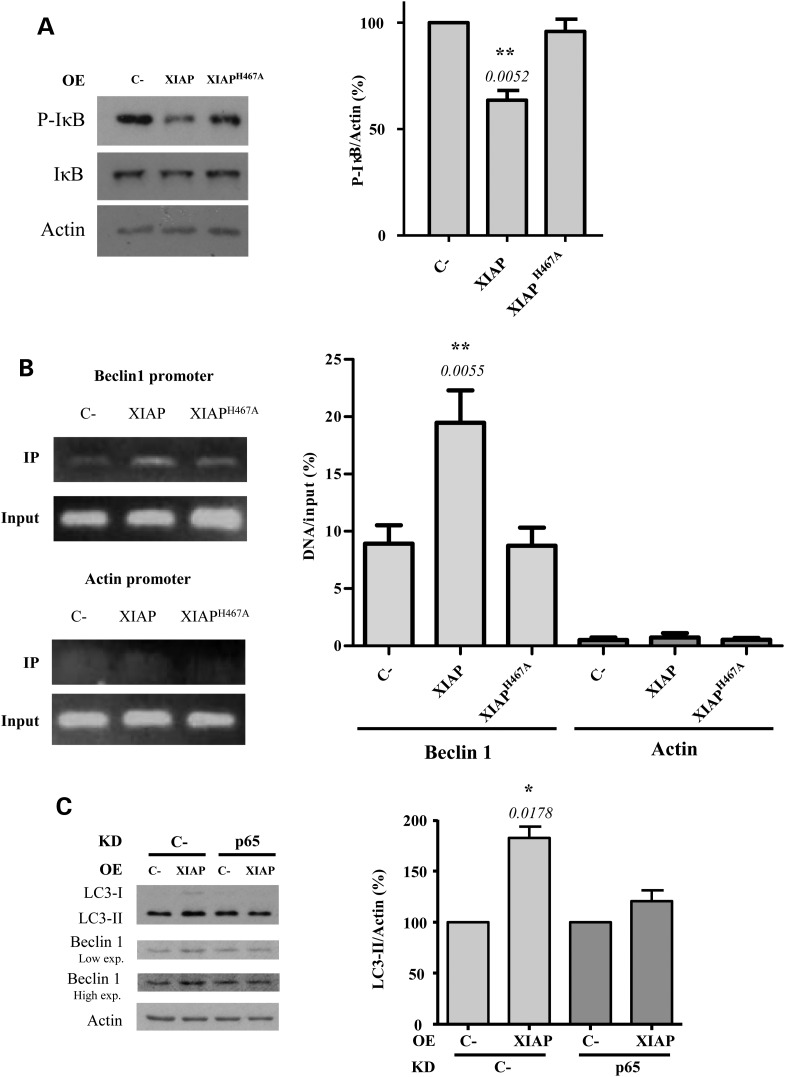
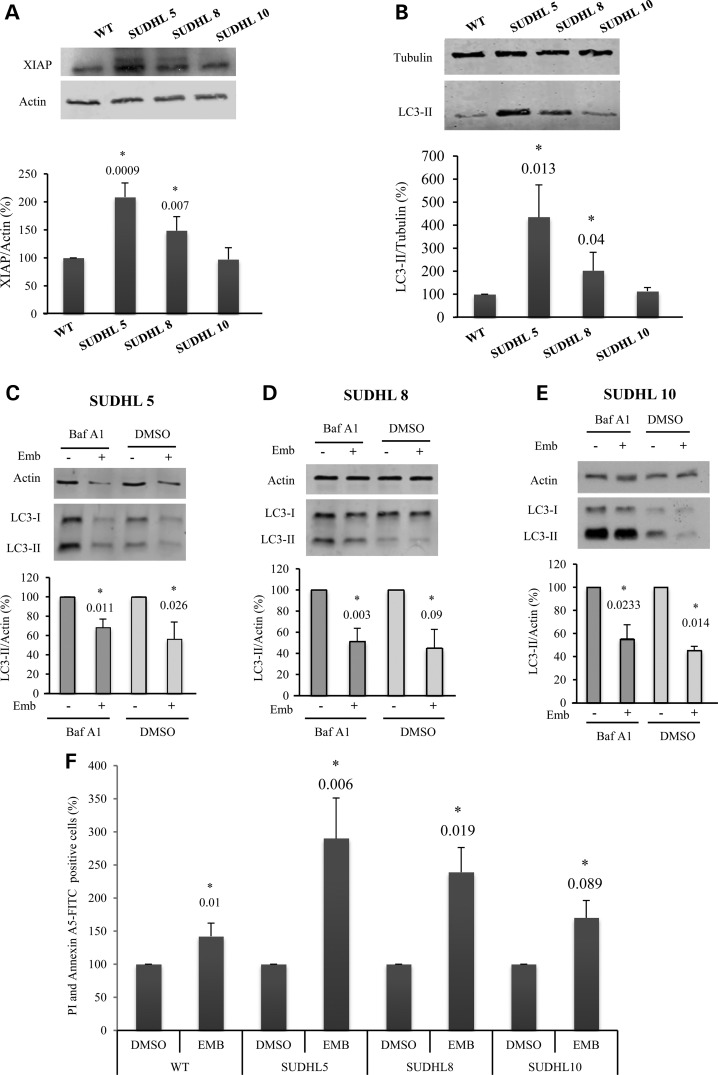
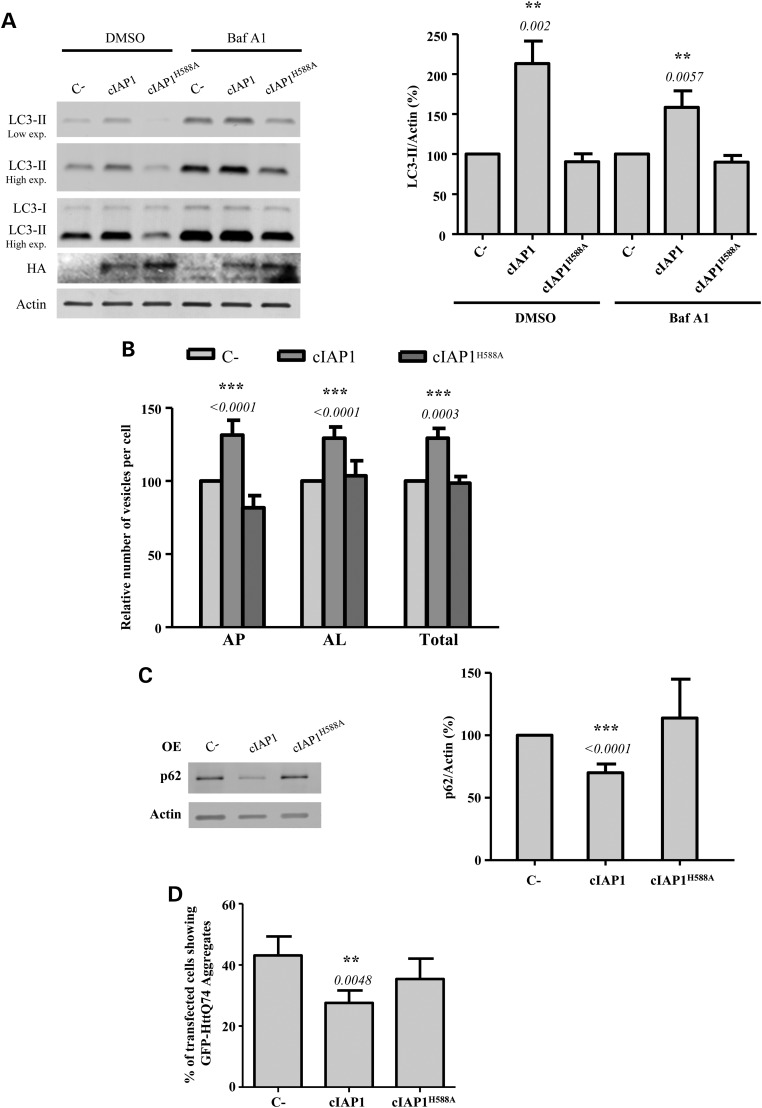
Perturbations in autophagy and apoptosis are associated with cancer development. XIAP and cIAP1 are two members of the inhibitors of apoptosis protein family whose expression is elevated in different cancers. Here we report that XIAP and cIAP1 induce autophagy by upregulating the transcription of Beclin 1, an essential autophagy gene. The E3 ubiquitin ligase activity of both proteins activates NFκB signalling, leading to the direct binding of p65 to the promoter of Beclin 1 and to its transcriptional activation. This mechanism may be relevant in cancer cells, since we found increased levels of autophagy in different B-cell lymphoma-derived cell lines where XIAP is overexpressed and pharmacological inhibition of XIAP in these cell lines reduced autophagosome biogenesis. Thus, the chemotherapy resistance associated with XIAP and cIAP1 overexpression observed in several human cancers may be, at least in part, due to the Beclin 1-dependent autophagy activation by IAPs described in this study. In this context, the disruption of this increased autophagy might represent a valuable pharmacological tool to be included in combined anti-neoplastic therapies.
自噬和凋亡的失调与癌症发展相关。X连锁凋亡抑制蛋白(XIAP)和细胞凋亡抑制蛋白1(cIAP1)是凋亡抑制蛋白家族的两个成员,它们在不同癌症中的表达均升高。在此我们报告,XIAP和cIAP1通过上调自噬必需基因Beclin 1的转录来诱导自噬。这两种蛋白的E3泛素连接酶活性激活核因子κB(NFκB)信号通路,导致p65直接结合到Beclin 1的启动子并使其转录激活。这种机制可能与癌细胞相关,因为我们发现在XIAP过表达的不同B细胞淋巴瘤来源的细胞系中自噬水平升高,并且在这些细胞系中对XIAP进行药理学抑制可减少自噬体的生物合成。因此,在几种人类癌症中观察到的与XIAP和cIAP1过表达相关的化疗耐药性可能至少部分归因于本研究中描述的IAPs通过Beclin 1依赖性激活自噬。在此背景下,破坏这种增强的自噬可能是联合抗肿瘤治疗中一种有价值的药理学手段。