Chen Kun-Hui, Chen Po-Chao, Liu Kai-Chun, Chan Chia-Tai
Department of Biomedical Engineering, National Yang-Ming University, 155, Li-Nong St., Sec.2, Peitou, Taipei 11221, Taiwan.
Department of Orthopaedic Surgery, Taichung Veterans General Hospital, 1650 Taiwan Boulevard Sect. 4, Taichung 40705, Taiwan.
Sensors (Basel). 2015 Feb 12;15(2):4193-211. doi: 10.3390/s150204193.
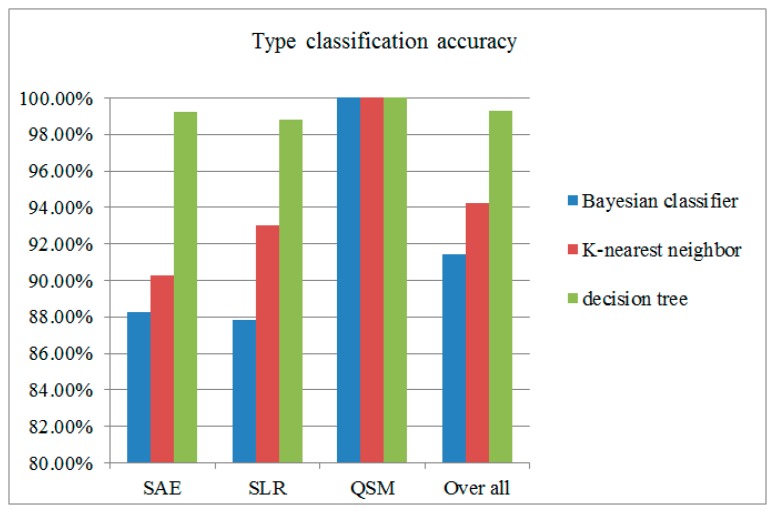
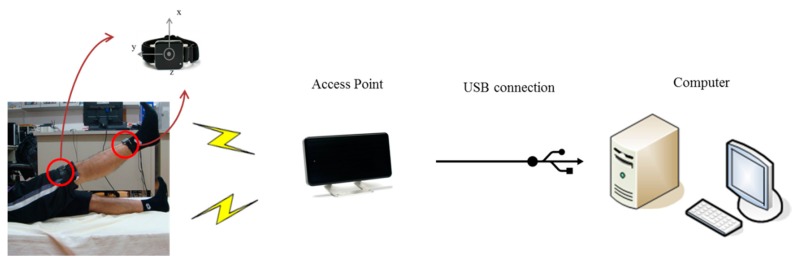
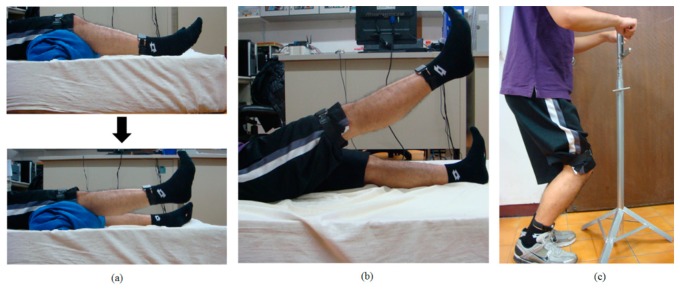
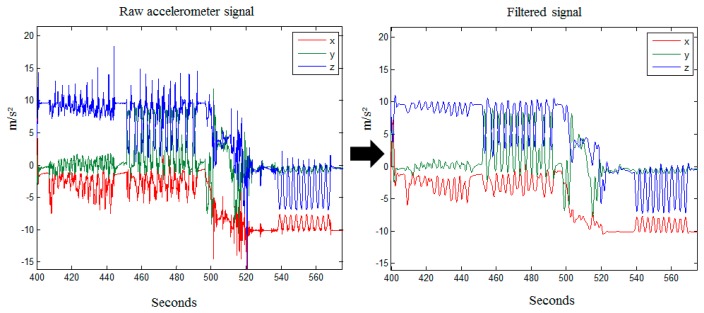
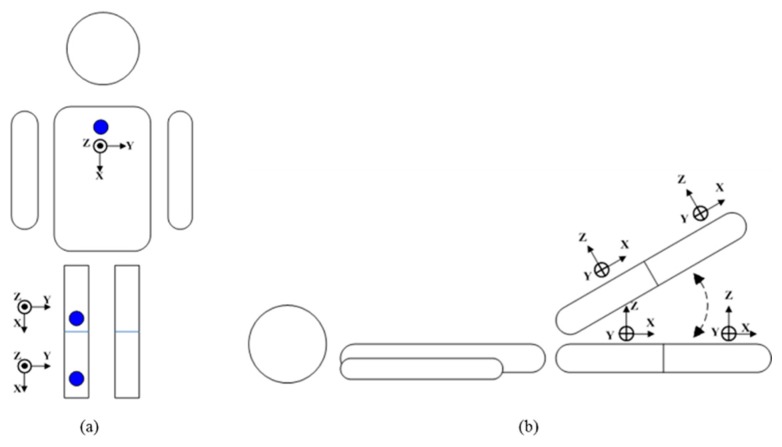
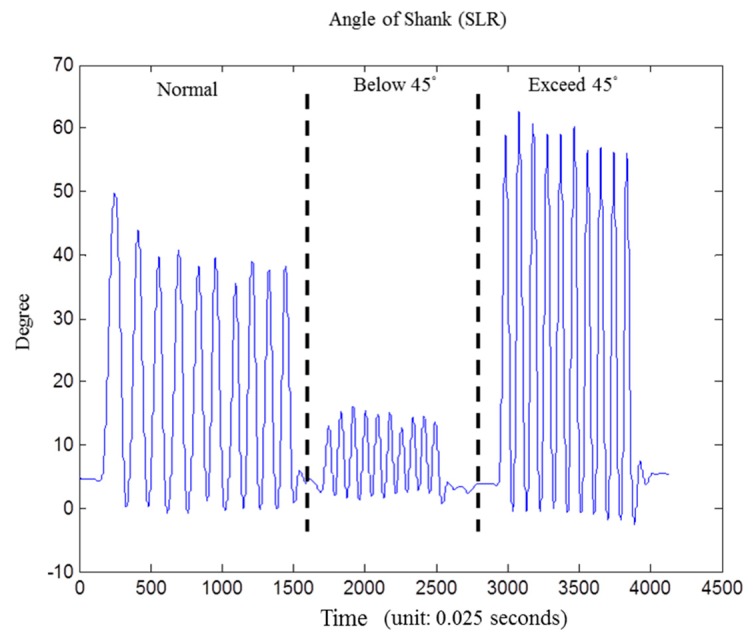
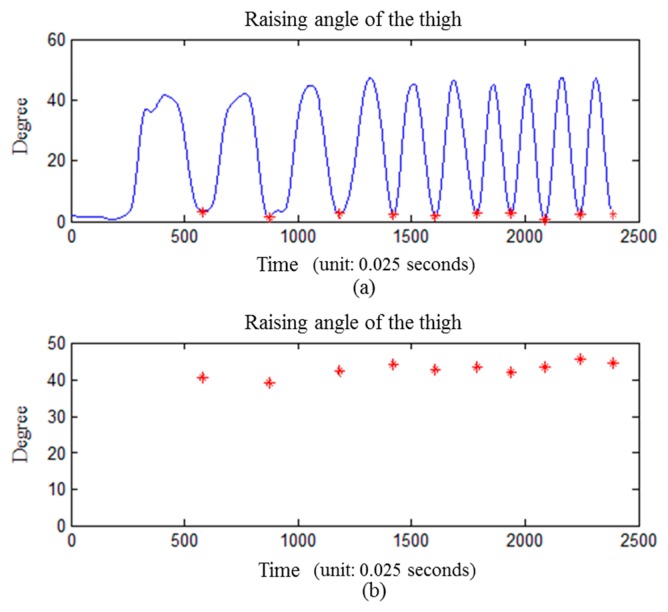
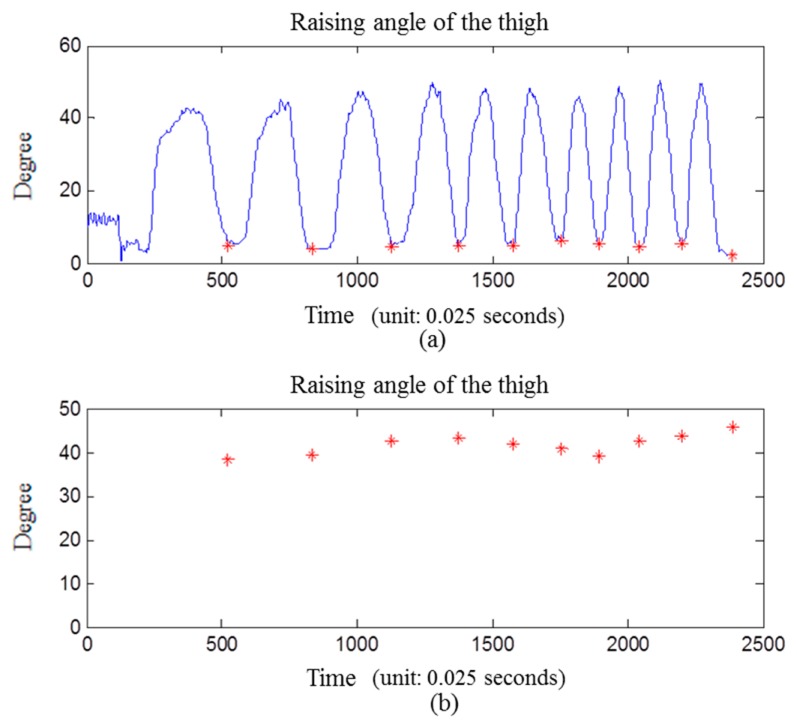
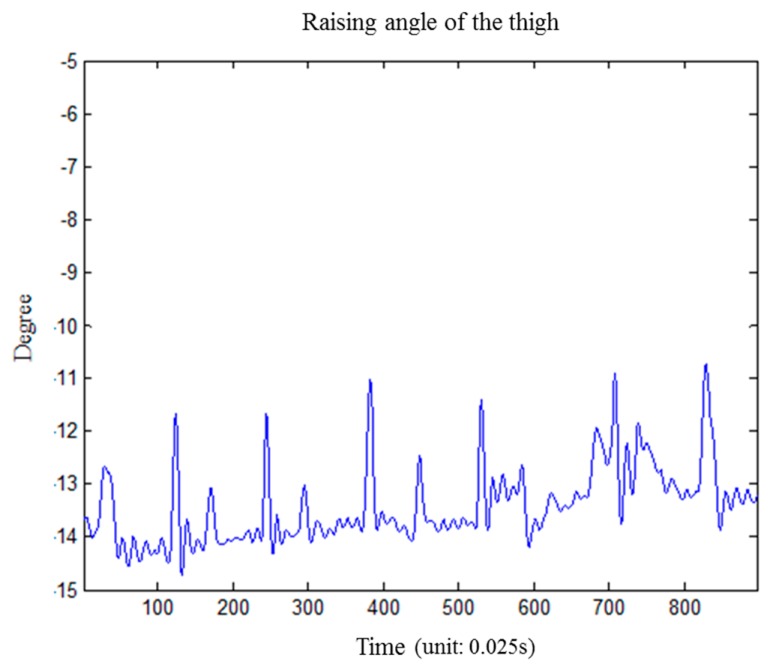
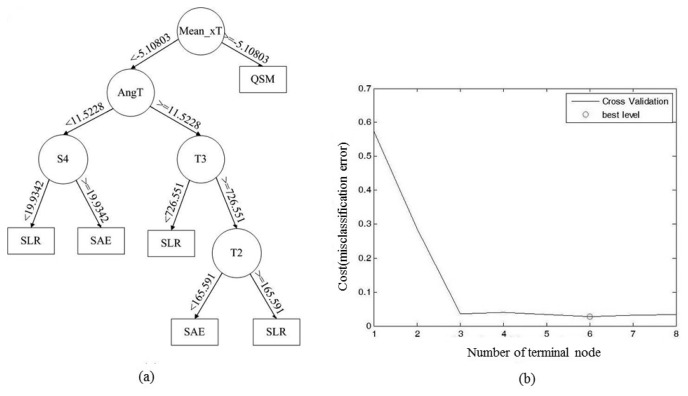
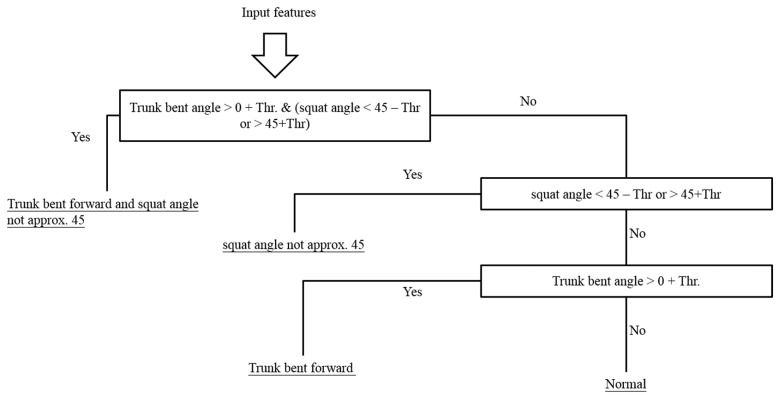
Since the knee joint bears the full weight load of the human body and the highest pressure loads while providing flexible movement, it is the body part most vulnerable and susceptible to osteoarthritis. In exercise therapy, the early rehabilitation stages last for approximately six weeks, during which the patient works with the physical therapist several times each week. The patient is afterwards given instructions for continuing rehabilitation exercise by him/herself at home. This study develops a rehabilitation exercise assessment mechanism using three wearable sensors mounted on the chest, thigh and shank of the working leg in order to enable the patients with knee osteoarthritis to manage their own rehabilitation progress. In this work, time-domain, frequency-domain features and angle information of the motion sensor signals are used to classify the exercise type and identify whether their postures are proper or not. Three types of rehabilitation exercise commonly prescribed to knee osteoarthritis patients are: Short-Arc Exercise, Straight Leg Raise, and Quadriceps Strengthening Mini-squats. After ten subjects performed the three kinds of rehabilitation activities, three validation techniques including 10-fold cross-validation, within subject cross validation, and leave-one-subject cross validation are utilized to confirm the proposed mechanism. The overall recognition accuracy for exercise type classification is 97.29% and for exercise posture identification it is 88.26%. The experimental results demonstrate the feasibility of the proposed mechanism which can help patients perform rehabilitation movements and progress effectively. Moreover, the proposed mechanism is able to detect multiple errors at once, fulfilling the requirements for rehabilitation assessment.
由于膝关节承受着人体的全部重量负荷以及最高的压力负荷,同时还要提供灵活的运动,因此它是人体最易患骨关节炎且最脆弱的部位。在运动疗法中,早期康复阶段持续约六周,在此期间患者每周要与物理治疗师合作数次。之后患者会得到自行在家继续进行康复锻炼的指导。本研究开发了一种康复锻炼评估机制,该机制使用三个可穿戴传感器,分别安装在患侧腿的胸部、大腿和小腿上,以使膝关节骨关节炎患者能够自行管理康复进度。在这项工作中,运动传感器信号的时域、频域特征以及角度信息被用于对锻炼类型进行分类,并识别其姿势是否正确。通常开给膝关节骨关节炎患者的三种康复锻炼类型为:短弧运动、直腿抬高和股四头肌强化微蹲。十名受试者进行了这三种康复活动后,采用了包括十折交叉验证、受试者内交叉验证和留一受试者交叉验证在内的三种验证技术来验证所提出的机制。锻炼类型分类的总体识别准确率为97.29%,锻炼姿势识别的准确率为88.26%。实验结果证明了所提出机制的可行性,该机制可以帮助患者有效地进行康复运动并取得进展。此外,所提出的机制能够一次检测多个错误,满足康复评估的要求。